
Aphids
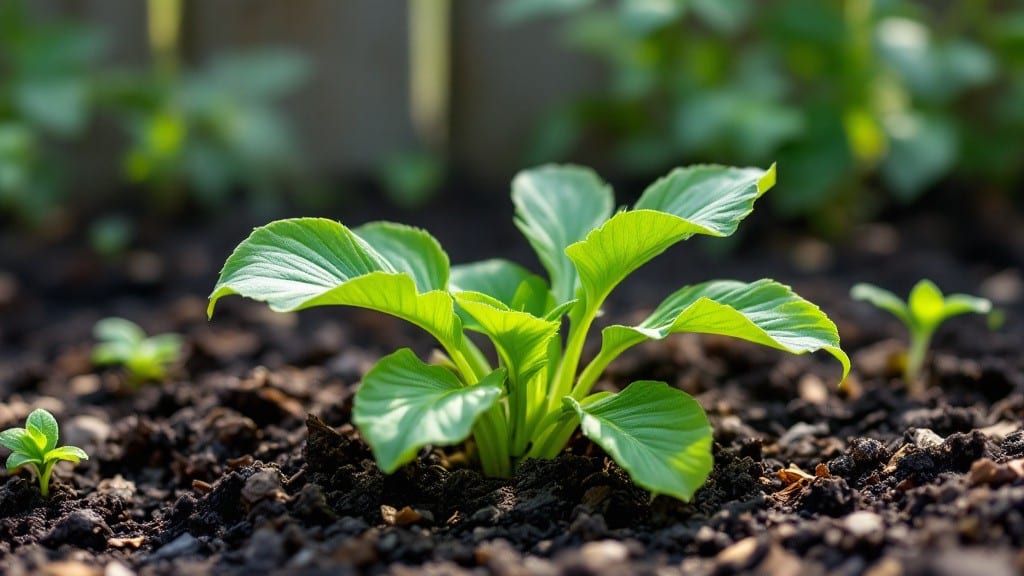
Understanding lettuce seedling stages turns guesswork into confidence—because those first tiny sprouts grow into crisp heads faster than you think. 🌱 I’ve tracked every stage from the moment they crack the soil to the day they’re ready for the salad bowl, and the secrets lie in what to expect (and when).
Those initial round leaves—cotyledons—appear within 5-7 days, followed by true leaves that signal real growth. Root development happens underground, so keep soil moist but never soggy, or you’ll stunt progress.
The transition from seedling to transplantable plant happens in 3-4 weeks, but timing depends on your climate and whether you’re growing indoors or outside.
You’ll know they’re ready to move when seedlings have 3-4 true leaves and sturdy stems, not leggy or yellowing. That’s when the real fun begins—whether you’re setting them in garden beds or larger containers. Proper spacing now means fewer pests and more harvests later.
Indoor starters need bright light (grow lights help), while outdoor seedlings thrive in partial shade until established. Mistakes like overcrowding or uneven watering show up fast—so watch for signs like wilting or slow growth.
This is where most beginners trip up, but with these stages in mind, you’ll spot problems before they derail your crop.
📚 In This Guide
- What you need
- Instructions
- Tips and common mistakes
- Wrapping up and next steps
What you need
- ● Lettuce seeds: Choose a variety (e.g., butterhead, romaine, or leaf lettuce). Aim for 1-2 seeds per cell in seedling trays or 5-10 seeds per pot if planting directly in soil.
- ● Seedling trays or pots: 2-3 inch deep with drainage holes. Use 12-24 cell trays for precise spacing.
- ● High-quality seedling mix: Lightweight, sterile potting soil with peat moss or coconut coir for moisture retention.
- ● Grow lights or sunny windowsill: 12-16 hours of light daily (LED grow lights work best for indoor setups).
- ● Watering can or spray bottle: With a fine mist nozzle to avoid disturbing seeds.
- ○ Fertilizer (optional but helpful): Balanced liquid fertilizer (5-5-5 or 10-10-10) diluted to half-strength for seedlings.
- ● Plant labels: To track varieties and planting dates (use toothpicks or small flags).
- ● Tweezers or small spoon: For gently transplanting seedlings.
- ● Misting bottle: To maintain humidity (50-70% ideal) during germination.
- ○ Thermometer (optional): To monitor soil temperature (60-75°F is ideal for germination).
- ○ Hardening-off tray (optional): A shaded outdoor area or mesh screen to acclimate seedlings before transplanting.
Step-by-step guide to identifying lettuce seedling stages
Watch your lettuce grow from tiny sprouts to harvest-ready plants—here's what to expect at each stage.
🌱 Step 1: Germination and First True Leaves
Within 5-7 days of planting, you'll spot the first sign of life: tiny, round cotyledons breaking through the soil. These aren't true leaves—they're the seed's first energy boost, storing nutrients until real leaves form. Keep the soil evenly moist (not soggy) during this time, or germination slows down.
Once the cotyledons unfurl fully, wait 3-5 more days for the first true leaves to appear. These look different from cotyledons—they're narrower, more jagged, and resemble miniature versions of mature lettuce leaves. This is your cue to start thinning seedlings if they're crowded.
🌿 Step 2: Early Growth and Leaf Development
At 2-3 weeks old, your seedlings will enter rapid growth mode. Look for 3-4 sets of true leaves forming in a rosette pattern close to the soil. This is when lettuce plants start looking like their adult selves. If leaves appear pale or stretched, they're not getting enough light—move them to a sunny window or under grow lights for 12-14 hours daily.
This stage is also when you'll notice color changes. Healthy seedlings develop deep green leaves, while yellowing or purple tinges signal nutrient deficiencies (usually nitrogen) or temperature stress (below 50°F). Keep soil consistently moist but avoid waterlogging, which causes roots to rot.
⏰ Step 3: Maturation and Harvest Readiness
By 4-6 weeks, your lettuce will reach harvest size depending on the variety. Leaf lettuces (like romaine or butterhead) are ready when leaves reach 4-6 inches tall and form a compact head. Stem lettuces (like celery or cos) develop thick, elongated stems—harvest when the stem feels firm and the leaves are fully unfurled.
Check for visual maturity cues: crisp, vibrant leaves with no signs of bolting (long flower stalks). If your lettuce starts sending up a flower stalk, it's past its prime. For continuous harvests, pick outer leaves first—they'll keep regrowing for 2-3 weeks after the initial cut.
💧 Step 4: Troubleshooting Common Growth Issues
If seedlings yellow between veins, it's likely overwatering—lettuce roots need well-draining soil and top inch dry between waterings. For bolting (premature flowering), keep plants in cool temperatures (60-65°F) and avoid heat stress. If leaves curl or wilt, it could be pests (like aphids) or drought—mist leaves lightly or move plants to shade temporarily.
Here's the thing—lettuce grows fast, but don't rush harvests. Wait until leaves are fully sized; immature leaves taste bitter. For best flavor, harvest in the morning when leaves are crisp and hydrated. Store in the fridge for up to 5 days in a plastic bag with a paper towel to absorb moisture.
Tips & tricks for perfect lettuce seedling growth
Growing lettuce from seed can be incredibly rewarding when you know what to watch for. Here are the key insights that'll help you avoid common pitfalls and nurture thriving seedlings.
Light is Everything: During those critical 2-3 weeks of early growth, lettuce needs 12-14 hours of light daily. If you notice pale, stretched seedlings, it's a clear sign they're light-deprived. I've learned this the hard way—my first batch turned into sad, leggy plants because I underestimated how much light they actually need. Move them to the sunniest window or invest in grow lights if natural light isn't sufficient.
Temperature Matters: Lettuce thrives in cooler temperatures, ideally between 60-65°F. If your seedlings start showing purple tinges or bolting (sending up flower stalks), they're likely stressed from heat. I keep my seedlings in a cool basement window during summer months to prevent bolting. The 50°F minimum is crucial—any colder and growth slows dramatically.
Thinning Strategy: Once you see those first true leaves appear around 3-5 days after cotyledons unfurl, it's time to thin. I use clean scissors to snip seedlings at soil level rather than pulling, which prevents disturbing the roots of remaining plants. Leave about 2-3 inches between seedlings for proper air circulation—this prevents fungal diseases and encourages stronger growth.
Harvesting Hack: For continuous harvests, pick outer leaves when they reach 4-6 inches tall—this lets the inner leaves keep growing. I always harvest in the morning when leaves are crispest and most flavorful. Store harvested leaves in the fridge with a paper towel to absorb moisture, which keeps them fresh for up to 5 days. This method lets you enjoy fresh lettuce for 2-3 weeks from a single planting!
Pro Tips for Lettuce Seedling Stages
- Growing lettuce from seed can be incredibly rewarding when you know what to watch for.
- Light is Everything: During those critical 2-3 weeks of early growth, lettuce needs 12-14 hours of light daily.
- Temperature Matters: Lettuce thrives in cooler temperatures, ideally between 60-65°F.
Frequently asked questions
Got questions about growing lettuce from seed? You’re not alone! Here are some of the most common queries—plus quick, actionable answers to keep your seedlings thriving.
How long does it take for lettuce seedlings to sprout?
Most lettuce seeds sprout in 5–14 days, depending on the variety and conditions. Loose-leaf types like Black Seeded Simpson often pop up faster (5–7 days), while crispheads (e.g., Iceberg) may take 10–14 days. Keep soil consistently moist (not soggy!) and warm (60–75°F) to speed things up. Patience is key—don’t overwater or you’ll risk damping-off disease.
What do healthy lettuce seedlings look like at each stage?
Here’s a quick visual checklist:
- Day 5–7 (Germination): Tiny white roots + 1–2 cotyledons (seed leaves) appear. They’ll look like tiny, rounded green shields.
- Week 2 (True Leaves): First real leaves (serrated or smooth, depending on variety) emerge. Seedlings should be 1–2 inches tall with sturdy stems.
- Week 3+ (Thickening): Leaves grow larger, and the heart stage (where leaves form a rosette) becomes visible. Healthy seedlings are deep green, not yellow or leggy.
Why are my lettuce seedlings turning yellow or wilting?
Yellow or wilted seedlings usually mean one of these issues:
- Overwatering: Roots need air! Let the top inch of soil dry out between waterings.
- Underwatering: Crispy leaves = thirsty plants. Water gently at the base (not overhead).
- Pests: Check for aphids (tiny green bugs) or slugs (silver slime trails). Spray with soapy water or use diatomaceous earth.
- Nutrient deficiency: Pale yellow leaves? Try a balanced fertilizer (like 10-10-10) or compost tea.
Can I transplant lettuce seedlings too early?
Yes—but it’s risky! Lettuce seedlings are most vulnerable when they have 2–4 true leaves (about 3–4 weeks old). Transplanting too early stresses them, leading to stunted growth or shock. Best practice:
- Hardening off seedlings 5–7 days before transplanting (gradually expose them to outdoor conditions).
- Choose a cool, cloudy day to minimize stress.
- Plant deeper than the soil line (up to the first true leaves) to encourage strong roots.
How do I know when lettuce seedlings are ready to harvest?
Harvest time depends on the type:
- Loose-leaf lettuce: Ready in 30–40 days. Snip outer leaves when they’re 4–6 inches tall, leaving the center to regrow.
- Head lettuce (e.g., Iceberg, Romaine): Harvest when heads are firm and compact (usually 60–80 days
- Butterhead lettuce: Pick when leaves form a soft, rounded head (about 50–60 days).
Wrapping up and next steps
Understanding lettuce seedling stages empowers gardeners to nurture thriving plants from tiny sprouts to crisp, harvest-ready heads! 🌱 From the first cotyledon leaves to mature growth, each phase offers clues about your lettuce’s health and needs.
With the right care—like proper spacing, sunlight, and pest control—you’ll enjoy a bountiful harvest in just a few weeks.
Ready to grow? Start planting those seeds today! Whether you’re a beginner or seasoned gardener, every seedling is a step toward a fresher, greener future. Happy gardening!