
Trees
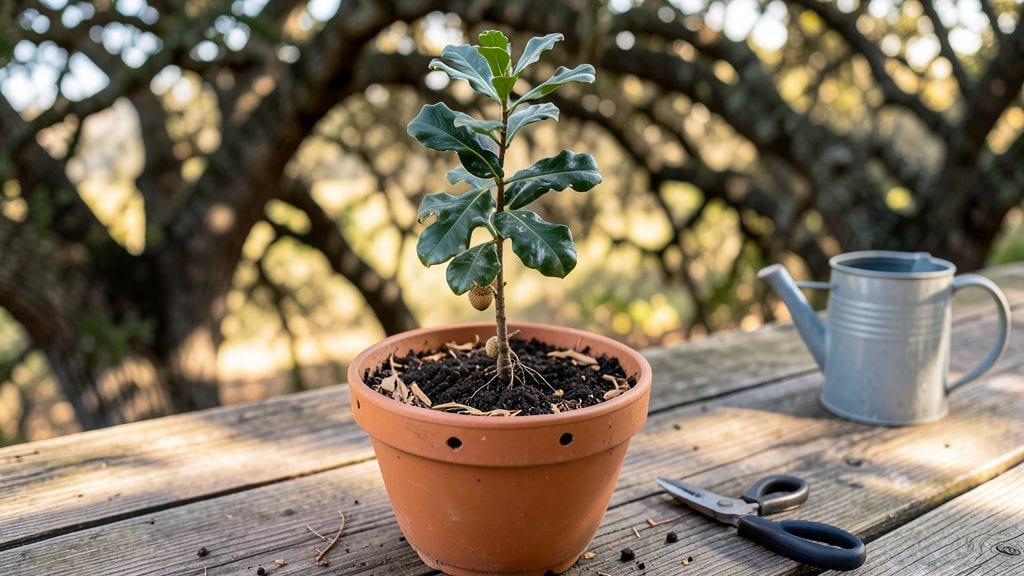
Finding live oak seedlings pictures that show exactly what healthy young trees look like at each stage is the first step to growing your own from acorns. 🌱 I’ve spent years tracking acorn germination and seedling growth, and the differences between thriving saplings and struggling ones often come down to tiny details—leaf shape, stem thickness, and root structure that most guides overlook.
The good news? You don’t need a forest to start. Healthy live oak seedlings sprout from acorns in 60-90 days under the right conditions—warm soil (70-80°F), consistent moisture, and patience. Wild-sourced acorns are free but risk disease, while nursery-grown seedlings cost more but guarantee disease resistance.
The key is spotting the first true leaves: round, leathery, and slightly lobed, unlike the early seedling’s simple cotyledons.
By year three, your seedling could be 3-5 feet tall with a sturdy trunk and branches ready for transplanting. The trick is avoiding overwatering (rotted roots are a silent killer) and giving them full sun from day one.
I’ll show you how to tell healthy growth from stress signals—like yellowing leaves or stunted stems—so you can correct mistakes before they’re permanent.
Whether you’re restoring a native landscape or just growing a future shade tree, this guide cuts through the guesswork. We’ll cover sourcing, spotting problems early, and the 3-year timeline to a strong, self-sufficient sapling. Let’s get those acorns planted right.
Root Causes Of Seedling Struggles
Live oak seedlings (Quercus virginiana) are tough, but even the hardiest of them face challenges that can stunt growth or prevent success. Understanding why these issues arise is the first step toward nurturing thriving young trees.
Below, we break down the key factors that impact seedling health—from environmental stressors to human mistakes—and explain the science behind them.
Acorns need the perfect storm of moisture, temperature, and time to break dormancy and sprout. Without these, seedlings may fail to emerge—or die shortly after.
- Insufficient Moisture: Live oak acorns require consistent moisture during germination, typically needing at least 30-60 days of damp soil (not soggy) to soften the hard seed coat. If soil dries out too quickly, the acorn may never sprout. Pro tip: Mimic natural forest floors by keeping soil evenly moist (like a wrung-out sponge) during the germination window (fall through early spring).
- Temperature Fluctuations: Acorns germinate best in cool to moderate temperatures (50–70°F / 10–21°C). Extreme heat (>85°F / 30°C) or frost (<32°F / 0°C) can halt or kill embryonic growth. Cold stratification (a period of chilling) is often necessary to break dormancy—some acorns need 60+ days below 40°F (4°C) before they’ll sprout. Fix it: Plant acorns in fall or early winter to let nature handle stratification, or refrigerate them in damp sand for 2–3 months if planting later.
- Competition from Weeds: Seedlings are not competitive against fast-growing weeds, grasses, or even mushrooms. Weeds steal nutrients, block sunlight, and can smother young roots. In shaded forest floors, seedlings may struggle to establish if overcrowded by ground cover.
Live oak seedlings are slow growers by nature, but poor soil quality accelerates decline. They’re particularly sensitive to imbalances in macronutrients and micronutrients, which can lead to yellowing, stunted growth, or disease susceptibility.
| Deficiency | Symptoms | Cause | Solution |
|---|---|---|---|
| Nitrogen (N) | Pale green or yellow leaves (chlorosis), slow growth | Leached soil, overwatering, or poor organic matter | Add compost or aged manure (avoid fresh manure—it burns roots). Use a balanced fertilizer (10-10-10) in early spring. |
| Phosphorus (P) | Dark green/purple leaves, weak stems, poor root development | Compacted or acidic soil (pH < 5.5) | Apply bone meal or rock phosphate. Test soil pH—aim for 5.0–7.0 for oaks. |
| Potassium (K) | Brown leaf edges, weak disease resistance | Overwatering, sandy soil | Use wood ash or greensand. Avoid excessive potassium if magnesium is low. |
| Iron (Fe) or Zinc (Zn) | Yellowing between leaf veins (interveinal chlorosis) | Alkaline soil (pH > 7.0) locks out micronutrients | Apply chelated iron or zinc sulfate. Lower pH with sulfur or peat moss if needed. |
💡 Pro Tip: Live oaks are deep-rooted—test soil 6–12 inches deep for accurate nutrient levels. Avoid over-fertilizing; seedlings prefer slow-release nutrients over quick fixes.
Seedlings are prime targets for pests and pathogens because their thin bark and shallow roots offer little protection. Common culprits include:
- Acorn Weevils: These beetles lay eggs inside acorns, and the larvae eat the embryo, preventing germination. Infested acorns may sprout but produce weak, deformed seedlings. Prevent it: Inspect acorns for tiny holes or sawdust-like frass. Soak acorns in water for 24 hours before planting—weevils drown, but viable acorns float.
- Root Rot (Phytophthora): Overwatered or poorly drained soil creates the perfect conditions for water mold fungi, which rot roots and kill seedlings in weeks. Symptoms include yellowing leaves, wilting, and a foul smell at the base. Fix it: Ensure well-draining soil (sandy loam ideal). Space seedlings 3–5 feet apart to improve airflow.
- Oak Leaf Gall Wasps: These insects inject eggs into leaves, causing abnormal growths (galls) that drain energy from the seedling. Severe infestations stunt growth. Manage it: Prune and destroy heavily galled leaves. Apply horticultural oil in late winter to smother overwintering pests.
- Deer and Rodents: Young seedlings are browsed by deer or dug up by raccoons/squirrels for acorns. Chewed stems or missing seedlings are telltale signs. Deter them: Use tree guards (hardware cloth) or repellent sprays (like rotten egg odor) around planting sites.
Live oaks are adapted to coastal and southern climates, but seedlings can struggle outside their native range due to:
- Extreme Heat or Drought: Seedlings transpire (lose water) rapidly in full sun, especially in hot, dry climates. Without deep roots, they wilt and die within days. Solution: Provide partial shade (30–50%) for the first year. Mulch with 3–4 inches of wood chips to retain moisture.
- Cold Damage: While mature oaks tolerate 20°F (-7°C), seedlings can suffer cold injury below 15°F (-9°C), leading to brown, crispy leaves or stem dieback. Protect them: Wait until spring to plant outdoors in Zone 7 or colder. Use burlap wraps for winter protection if planting early.
- Wind Exposure:
Young seedlings have
Revive Your Seedlings Quickly
Growing live oak seedlings from acorns is a rewarding but delicate process—especially when issues like stunted growth, yellowing leaves, or pests threaten your young tree. The good news?
Most problems have simple, actionable fixes. Below, we’ll break down the most common issues, step-by-step solutions, and prevention tips to keep your seedlings thriving.
---
If your live oak seedling is growing slower than expected, the issue is often environmental or care-related.
#### 🔥 Cause: Insufficient Light Live oaks need full sun (6+ hours daily) to photosynthesize properly.
Weak light leads to leggy, pale seedlings. ✅ Fix: - Move seedlings to a south-facing window or under grow lights (12–16 hours/day). - If outdoors, ensure they’re in a sunny spot (avoid deep shade under mature trees). - Pro Tip: Rotate seedlings weekly for even growth. 🌡️
#### 🍳 Cause: Poor Soil or Nutrients Compacted, nutrient-poor soil stifles root development. ✅ Fix: - Test soil pH (ideal: 5.0–7.0 for live oaks).
Amend with compost or peat moss if too alkaline. - Fertilize lightly with a balanced 10-10-10 fertilizer (spring and early summer only—avoid overfeeding!). - Aerate the soil by gently loosening it with a fork if it feels hard.
#### 👨🍳 Cause: Overwatering or Underwatering Live oak seedlings hate soggy roots but also need consistent moisture. ✅ Fix: - Water deeply 1–2 times per week (check soil 1" down—if dry, water). - Ensure pots have drainage holes and trays underneath to prevent root rot. - Prevention: Use well-draining soil mixes (50% potting soil, 30% perlite, 20% sand).
---
Yellowing leaves (chlorosis) or brown edges usually signal stress.
#### 🔪 Cause: Iron or Chlorosis Deficiency Live oaks in alkaline soil struggle to absorb iron, leading to yellow leaves with green veins. ✅ Fix: - Apply iron sulfate (follow package rates) or chelated iron spray. - Lower soil pH with sulfur or pine needles (sprinkle and water in). - Prevention: Mulch with acid-loving plant mulch (pine bark or oak leaves).
#### 🌡️ Cause: Overwatering or Fungal Issues Brown, crispy leaves or moldy stems mean root rot or fungal infection. ✅ Fix: - Stop watering immediately and let soil dry out. - Trim affected leaves with sterilized scissors. - Repot in fresh, dry soil if roots are mushy (sign of rot). - Prevention: Water at the base, not overhead, to reduce fungal spores. ✨
#### 🎯 Cause: Pest Infestation (Aphids, Spider Mites) Tiny pests suck sap, causing curled leaves and sticky residue. ✅ Fix: - Spray with neem oil (mix 1 tbsp neem oil + 1 tsp mild soap in 1 quart water). - Blast off pests with a strong water spray (repeat every 3–4 days). - Introduce beneficial insects like ladybugs or lacewings. - Prevention: Inspect seedlings weekly for early signs (tiny webs, white dots).
---
Once your live oak seedlings are healthy, keep them that way with these long-term strategies:
| Issue | Prevention Tip | |--------------------------|-----------------------------------------------------------------------------------| | Pests | Mulch with wood chips to deter insects and retain moisture. | | Disease | Space seedlings 3–4 feet apart for airflow (reduces humidity-related fungi). | | Nutrient Deficiency | Top-dress with compost annually in early spring. | | Root Stress | Gradually harden off seedlings before transplanting (acclimate to sun/wind). | | Overwatering | Use moisture meters to track soil dampness (aim for 40–60% moisture). |
Final Pro Tip: 💡 Patience is key! Live oaks grow slowly—focus on consistent care rather than quick fixes. With the right conditions, your seedlings will develop into strong, majestic trees in just 3 years!
Frequently asked questions about live oak seedlings
1What do healthy live oak seedlings look like in their first year?
Healthy live oak seedlings start with cotyledons (first leaves) that are simple and oval-shaped, turning into round, leathery true leaves with slight lobes. Look for a straight, sturdy stem and vibrant green color. By year one, they should reach 6–12 inches tall with a well-developed root system.
2Can I grow a live oak seedling from an acorn I found on the ground?
Yes, but only if the acorn is fresh, plump, and free of holes (a sign of weevil infestation). Soak it in water for 24–48 hours to soften the shell, then plant it 1 inch deep in moist, well-draining soil. Keep the soil consistently damp until germination (60–90 days). Wild acorns are free but may carry diseases—sterilize soil with baking soda (1 tbsp per gallon of water) if concerned.
3Why are my live oak seedlings turning yellow?
Yellowing leaves usually signal iron deficiency (chlorosis) or overwatering. Live oaks struggle in alkaline soil—test pH and amend with sulfur or pine needles if above 7.0. For overwatering, let soil dry slightly between waterings and ensure pots have drainage holes. If yellowing persists, apply chelated iron or repot in acidic soil mix.
4How do I protect live oak seedlings from pests like deer or insects?
Use tree guards (hardware cloth) to shield seedlings from deer and rodents. For insects like aphids or spider mites, spray with neem oil (1 tbsp + 1 tsp soap per quart of water) weekly. Mulch with wood chips to deter pests and retain moisture. Avoid chemical pesticides—they can harm young roots.
5When is the best time to transplant live oak seedlings outdoors?
Transplant in early spring or fall when temperatures are mild (50–70°F). Harden off seedlings by gradually exposing them to outdoor conditions for 1–2 weeks before moving. Choose a sunny spot with well-draining soil and space them 3–5 feet apart. Water deeply after transplanting to reduce shock.