
Planting
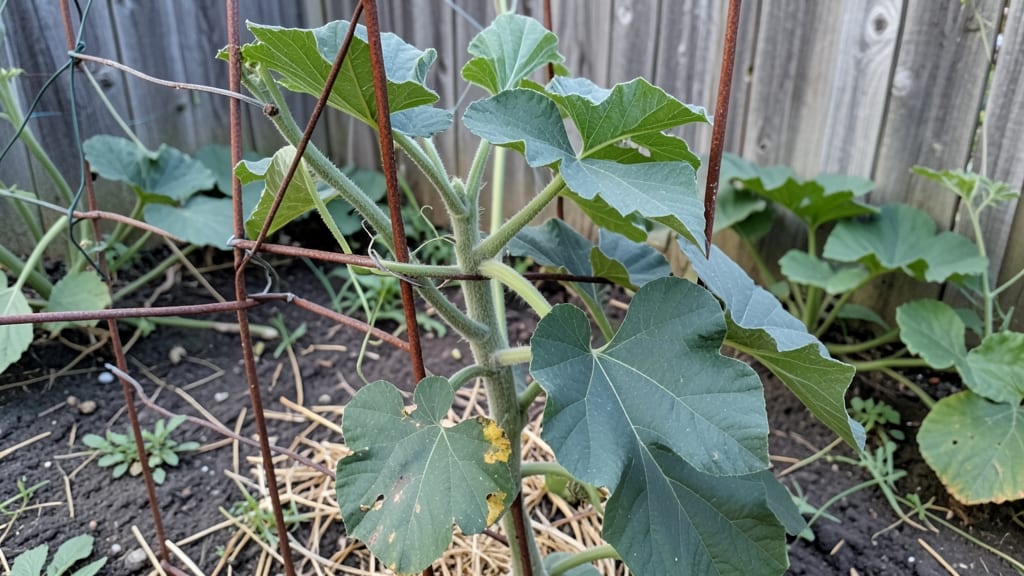
Finding luffa seeds nearby that thrive in your climate is the first step to growing these versatile vines 🍈—whether you're after natural sponges or edible fruits.
Struggling to track down high-quality luffa seeds near you—especially rare varieties that thrive in your climate? Growing your own luffa gourds for natural sponges or culinary use is easier than ever, but sourcing the right seeds can make or break your harvest.
These tropical vines need warmth and space, so choosing the right seeds—whether from local nurseries or trusted online suppliers—sets the stage for a bountiful spring harvest between August and October.
Below, I’ll show you where to find reliable luffa seeds nearby, how to verify their quality, and the best planting tips for USDA Zone 6a and beyond.
Best local and online sources for luffa seeds nearby
Finding high-quality luffa seeds—especially rare varieties like Luffa aegyptiaca or Luffa acutangula—can feel like searching for a needle in a haystack. Whether you're growing luffas for natural sponges or culinary use, starting with the right seeds ensures a thriving vine and a bountiful harvest.
Many gardeners overlook local nurseries or specialty seed banks, missing out on climate-adapted varieties and expert advice.
Your best bet is a mix of local nurseries, online seed suppliers, and even regional seed swaps. Each option offers unique benefits: local sources provide immediate access and climate-specific recommendations, while online stores often carry rare heirloom varieties and bulk options.
Shipping considerations also play a role—some seeds may arrive dormant or require special handling for tropical varieties.
Below, I’ve compared top local and online sources for luffa seeds, including their seed variety offerings, shipping policies, and customer reviews for reliability. Use this guide to narrow down your choices based on your growing zone and specific needs, whether you’re a beginner or a seasoned gardener.
🌱
When choosing where to buy luffa seeds, prioritize suppliers that offer clear germination guarantees and detailed growing instructions. For example, Baker Creek Heirloom Seeds often includes climate-specific planting tips for tropical luffas, while local nurseries may provide soil amendments tailored to your region.
Always check reviews for shipping speed—especially if ordering dormant seeds that require careful handling.
For rare luffa varieties, online stores like Seed Savers Exchange are goldmines. They frequently stock heirloom luffas with unique textures, such as the smooth-sponge luffa (Luffa aegyptiaca), which is prized for its softer, more pliable fibers.
These stores also offer bulk seed packs, perfect if you’re planning to grow multiple vines or share seeds with fellow gardeners.
If you’re in a warmer climate (USDA zones 9-11
How to verify luffa seed quality before purchase
Investing in high-quality luffa seeds is the first step toward a thriving vine and bountiful harvest. Poor-quality seeds often lead to low germination rates or weak plants that struggle to produce spongy luffas. Before purchasing, check for seed maturity, organic certification, and climate suitability to avoid disappointment.
Even seeds labeled as "organic" or "heirloom" can vary widely in viability. Look for fresh seed packets with clear germination guarantees—many reputable suppliers include this detail.
If you're sourcing luffa seeds nearby, ask local nurseries about their seed storage conditions, as humidity and temperature can drastically reduce viability.
One of the biggest red flags is vague packaging. Avoid seeds sold in generic bulk bags without variety names or growing instructions. Reputable sellers will specify whether the seeds are for Luffa aegyptiaca (ridged luffa) or Luffa acutangula (smooth luffa), as their growth habits and yields differ significantly.
Always cross-reference the seed description with trusted sources like Seed Savers Exchange or Baker Creek Heirloom Seeds.
If you're purchasing from an online supplier, read customer reviews for mentions of slow germination or poor yields. A supplier with consistent complaints about moldy seeds or unlabeled varieties should be avoided.
Pro tip: Order from sellers who offer sample packs—this lets you test germination before committing to a full packet.
Check the expiration date on the seed packet, but don’t rely on it alone. Seeds can lose viability faster if stored improperly. For luffa seeds nearby, ask if the nursery stores seeds in a cool, dry place.
Humidity is the enemy—seeds exposed to moisture may develop fungal contamination, which can kill seedlings before they sprout.
Finally, trust your instincts. If a deal seems too good to be true (e.g., $1 for 100 seeds), it probably is. High-quality luffa seeds should cost between $2 and $5 per packet, depending on rarity.
Prioritize suppliers who provide detailed growing guides—this shows they care about your success as much as the sale.