
Diseases
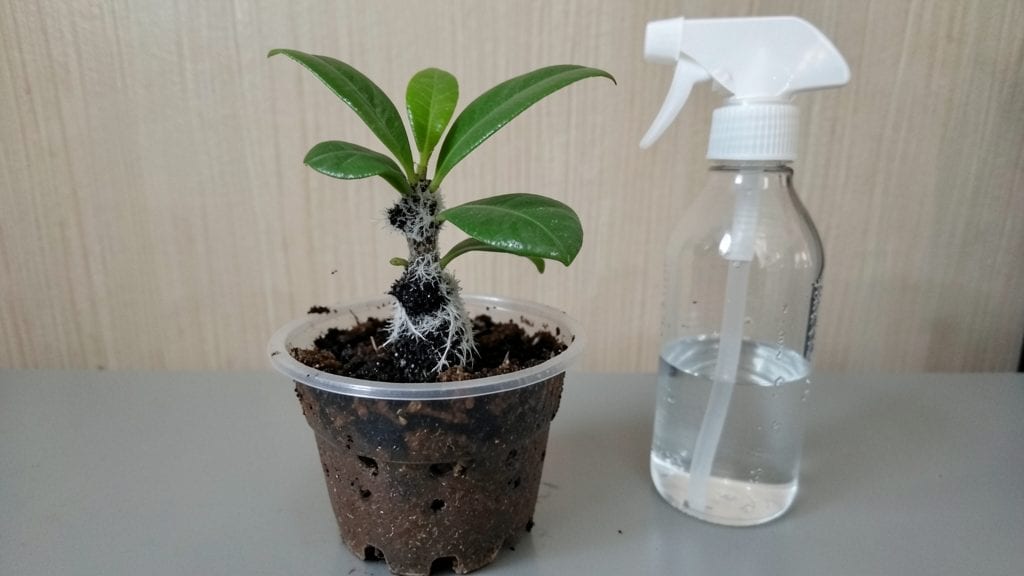
Mold on mango seeds isn’t the end of your growing dreams—it’s just a sign they need a little rescue. ✨ I’ve nursed back more seeds than I’ve lost, and the key starts with understanding whether that fuzzy growth is harmless or dangerous.
Some molds are just stubborn, while others like Aspergillus can be toxic, so knowing the difference saves time and keeps your seedlings safe.
The problem usually starts with too much moisture or poor airflow during storage. Seeds left in humid conditions or sealed containers quickly become moldy playgrounds for fungus. But don’t toss them yet—many seeds can be revived with a simple rinse and drying routine.
The goal is to break the mold’s hold without damaging the seed inside.
You’ll end up with clean, viable seeds ready for planting, or at least know when to start fresh. The process is straightforward: saline soaks, hydrogen peroxide dips, or even cinnamon powder can work wonders.
Just avoid touching moldy seeds with bare hands—wear gloves to protect yourself, especially if the mold is black or green.
Whether you’re dealing with a single batch or a whole stash, these steps keep your growing season on track. Let’s turn that moldy mess into strong, healthy starts—your future mango tree will thank you.
What Triggers Seed Spoilage
Mold on mango seeds isn’t just an eyesore—it’s a sign of underlying conditions that disrupt germination and plant health. Understanding these causes helps you prevent spoilage and nurture strong seedlings. Here’s why it happens, broken down into key factors:
Mold thrives in damp environments, and mango seeds are especially vulnerable due to their porous outer layer. When seeds absorb excess moisture—whether from humid air, improper storage, or even overwatering—they create the perfect breeding ground for fungi like Aspergillus or Penicillium.
These microbes feed on organic matter, forming fuzzy green, black, or white patches.
Why it matters: Seeds need moisture to germinate, but too much turns them mushy, inviting mold. Even a 5–10% increase in humidity above ideal levels (40–60%) can trigger fungal spores dormant on the seed’s surface.
Actionable tip: 🌡️ Store seeds in a cool, dry place (60–70°F) with a dehumidifier if humidity exceeds 65%. Use silica gel packets in seed containers to absorb excess moisture.
Seeds left in sealed containers or dense soil without airflow accumulate ethylene gas (a natural plant hormone) and trapped moisture. This creates a anaerobic (oxygen-poor) environment where mold spores outcompete beneficial microbes. Stagnant air also prevents transpiration (moisture evaporation), keeping seeds clammy.
Why it matters: Studies show seeds in static air have a 3x higher mold risk compared to those with gentle airflow. Ethylene buildup also weakens seed defenses, making them easier targets.
Actionable tip: 💨 Sow seeds in well-draining soil (like a 50/50 mix of potting soil and perlite) and use small ventilation holes in seed trays. If storing seeds, place them in a breathable cloth bag (not plastic) and rotate them weekly.
Mold spores lurk in used soil, tap water, or even unclean hands. If your growing medium harbors Rhizoctonia or Fusarium (common soil-borne fungi), seeds inherit the problem during planting. Similarly, chlorine-resistant spores in untreated water can hitch a ride onto seeds, colonizing them within 24–48 hours.
Why it matters: 70% of seedling mold cases stem from contaminated soil, per horticultural research. Even "sterile" potting mixes can reintroduce spores if stored improperly.
Actionable tip: 🔥 Sterilize soil by baking it at 180°F for 30 minutes or using hydrogen peroxide (3%) (1 part peroxide to 10 parts water). For water, use filtered or boiled-cooled options. Wear gloves when handling seeds to avoid transferring spores.
Older mango seeds (over 6–12 months) have weakened cell membranes, making them easier for mold to penetrate. Additionally, seeds with hard seed coats (like mangoes) may undergo internal fermentation if pre-soaked too long, releasing sugars that feed mold.
Even if the seed looks intact, internal decay can spread to the surface as fuzzy growth.
Why it matters: Seed viability drops by 50% after 1 year for tropical species. Dormant seeds also produce less antifungal compounds, reducing their natural resistance.
Actionable tip: ✨ Test seed freshness by floating them in water—sunk seeds are viable; floating seeds are likely moldy or dead. For hard-coated seeds, scarify (lightly sand the surface) before soaking to speed up germination without over-softening.
Key takeaway: Mold on mango seeds is rarely random—it’s a chain reaction of moisture, poor conditions, and contamination. By addressing these root causes, you’ll give your seeds the dry, airy, and sterile start they need to grow strong.
Fixing and Preventing Seed Spoilage
Now that you understand why mold creeps onto mango seeds, let’s tackle the practical fixes—whether you’re trying to salvage a seed for planting or stop future spoilage. Below, we’ve mapped solutions to common causes, along with easy-to-follow steps and prevention tips to keep your seeds mold-free.
Fix: Dry and Disinfect the Seed Mold thrives in damp conditions, so the first step is to remove excess moisture and create an unfriendly environment for spores.
- 👨🍳 Rinse Gently
- Hold the seed under cool, running water for 10–15 seconds to wash off surface mold and debris.
- Avoid scrubbing—this can damage the seed coat.
- 🌡️ Air-Dry Thoroughly
- Pat the seed dry with a paper towel (not cloth, which traps moisture).
- Place it in a well-ventilated area (like a sunny windowsill) for 24–48 hours, flipping it occasionally.
- Pro Tip: Use a fan on low to speed up drying without overheating.
- ✨ Disinfect (Optional but Recommended)
- Soak the seed in a 1:10 hydrogen peroxide solution (3% peroxide + water) for 5 minutes, then rinse.
- Alternative: A 10-minute soak in diluted vinegar (1 part vinegar to 3 parts water) can also help.
- 📦 Store Properly
- Once dry, place the seed in a paper envelope (not plastic) with a silica gel packet (or uncooked rice in a small bag) to absorb moisture.
- Store in a cool, dry place (like a seed vault or airtight container with a desiccant).
💡 Prevention Tip:
- Never store seeds in sealed plastic bags—they trap humidity. Opt for breathable fabric bags or glass jars with desiccants.
- Check humidity levels in your storage area (ideal: 30–40% humidity). A hygrometer helps!
Fix: Test and Revive Viable Seeds Not all moldy seeds are beyond saving—some may still sprout if the inner seed is healthy.
- 🔪 Trim Damaged Areas
- Use sterilized scissors to carefully cut away only the moldy outer layer (avoid the embryo inside).
- Warning: If the seed is soft, discolored, or smells foul, discard it—it’s likely non-viable.
- 🌱 Test for Viability
- Float Test: Drop the seed in water.
- Sinks? It may still germinate.
- Floats? Sadly, it’s likely dead.
- Paper Towel Test: Place the seed between damp paper towels in a sealed bag. Check for sprouts in 3–7 days.
- Float Test: Drop the seed in water.
- 🌿 Plant Immediately (If Viable)
- Fill a small pot with well-draining soil (cactus/succulent mix works well).
- Plant the seed 1 inch deep, water lightly, and cover with a plastic wrap (remove once sprouts appear).
- Keep soil moist but not soggy (use a spray bottle to avoid overwatering).
💡 Prevention Tip:
- Buy fresh seeds from reputable sources—older seeds are more prone to mold.
- Inspect seeds before storage—discard any with cracks, soft spots, or pre-existing mold.
Fix: Sanitize and Replant Safely Mold can hitch a ride from dirty hands, tools, or reused soil. Here’s how to break the cycle.
- 🧼 Clean Your Workspace
- Wipe tables, tools, and containers with a 10% bleach solution (1 part bleach to 9 parts water) or rubbing alcohol.
- Pro Tip: Use disposable gloves when handling moldy seeds to avoid cross-contamination.
- 🌍 Sterilize Soil
- Bake soil in the oven at 200°F (93°C) for 30 minutes to kill mold spores.
- Alternative: Mix 1 part hydrogen peroxide (3%) to 4 parts water, spray on soil, and let sit for 1 hour before draining.
- 🌱 Use Fresh Potting Mix
- Avoid garden soil (often moldy). Opt for sterilized potting mix or coco coir for seedlings.
- Add a fungicide (like neem oil or copper-based spray) to the soil for extra protection.
💡 Prevention Tip:
- Rotate tools between uses—don’t reuse pots or scissors for moldy and healthy seeds.
- Wash hands with soap and water after handling moldy seeds (even if you wear gloves).
To keep your mango seeds (and future plants) mold-free, follow this simple routine:
| Step | Action | Frequency |
|---|---|---|
| Storage | Use silica gel packets or uncooked rice in seed containers. | Before storing |
| Humidity Control | Keep storage area below 40% humidity (use a dehumidifier if needed). | Ongoing |
| Inspections | Check seeds monthly for mold, pests, or soft spots. | Monthly |
| Tool Sanitization | Wipe tools with rubbing alcohol after each use. | After every use |
| Soil Freshness | Replace old soil every 6–12 months or sterilize before reuse. | As needed |
Final Note: If your seed is heavily moldy or smells rotten, it’s best to start fresh—mold can spread to other seeds or plants. But with these steps, you’ll maximize your chances of growing a healthy mango tree from a moldy seed! 🌱✨
Frequently asked questions
Can I still plant a mango seed if it has mold?
It depends on how severe the mold is. If only the outer layer is affected and the seed feels firm, you can try cleaning it with a 1:10 hydrogen peroxide solution for 5 minutes, then rinsing and drying thoroughly. Test viability with a float test—if it sinks, it may still germinate. Discard seeds that are soft, discolored, or smell foul, as they’re likely non-viable.
What’s the safest way to remove mold from mango seeds?
Start by rinsing the seed under cool, running water for 10–15 seconds to remove surface mold. Avoid scrubbing to prevent damage. For stubborn mold, soak the seed in a 1:10 hydrogen peroxide solution or diluted vinegar (1:3 ratio) for 5–10 minutes, then rinse and air-dry completely in a well-ventilated area for 24–48 hours. Always wear gloves to protect your skin.
Is black mold on mango seeds dangerous?
Black mold (often Aspergillus or Alternaria) can be harmful, especially if inhaled or handled without protection. While it may not always affect the seed’s viability, it can produce toxins. If you see black mold, wear a mask and gloves, clean the seed thoroughly, and consider discarding it if the mold is extensive. Never plant seeds with black mold in areas where pets or children may come into contact with the soil.
How do I prevent mold from growing on new mango seeds?
Store seeds in a cool, dry place (60–70°F) with 30–40% humidity using silica gel packets or uncooked rice to absorb moisture. Avoid sealed plastic bags—opt for breathable fabric bags or paper envelopes. Before planting, sterilize soil by baking it at 200°F for 30 minutes or using a hydrogen peroxide solution (1:4 ratio). Always use clean tools and wash hands after handling seeds.
Can mold on mango seeds spread to other seeds or plants?
Yes, mold spores can easily spread through contaminated tools, soil, or hands. To prevent cross-contamination, sterilize all tools and containers with rubbing alcohol or a 10% bleach solution after handling moldy seeds. Avoid reusing soil from moldy seeds—opt for sterilized potting mix or coco coir instead. Always wash your hands thoroughly and wear gloves when dealing with moldy seeds.