
Lawn
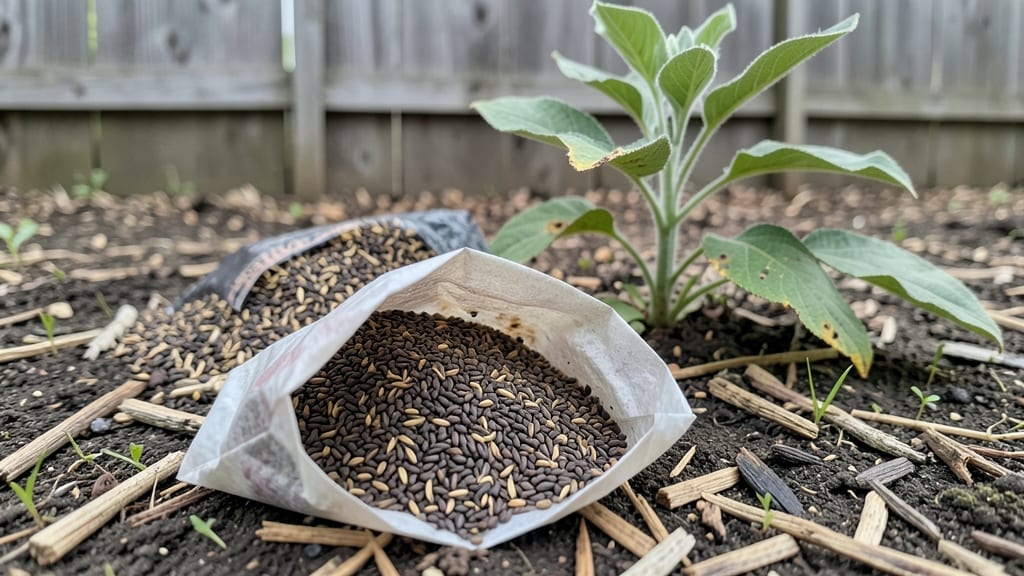
Your monarch seed mix is the first step toward a fluttering, orange-and-black spectacle that turns your yard into a butterfly highway. 🌿 I planted mine last spring, and within weeks, the caterpillars arrived—then the butterflies, as if summoned by the scent of milkweed alone.
The key isn’t just the seeds; it’s the right balance of host plants (like milkweed) and nectar sources (such as coneflowers) to keep them coming back all season.
Start with a sunny spot—at least 6 hours of sunlight daily—and well-draining soil. Most mixes include everything you need, but I always add a handful of compost to give the seeds a nutrient boost right out of the gate.
Plant in early spring or late summer for the best results, and keep the soil moist (not soggy) until germination kicks in—usually within 10-14 days.
By summer, you’ll see the magic unfold: milkweed towers with caterpillars munching away, and blooms that attract monarchs like a magnet. The garden stays lively long after the first wave, with nectar plants providing fuel for migrating butterflies.
Just watch out for aphids—they love milkweed too, but a strong spray of water usually does the trick.
This works in containers, raised beds, or full-yard plantings, and even small patches make a difference. The real reward? Knowing you’re part of the monarch’s survival story, one seed at a time.
📚 In This Guide
- What you need
- Instructions
- Tips and common mistakes
- Wrapping up and next steps
What you need
- ● Monarch seed mix: 1–2 lbs (enough to cover ~100 sq ft of garden space). Look for blends containing Asclepias (milkweed) and nectar-rich flowers like Liatris or Echinacea.
- ● Garden soil: Well-draining, loamy soil (amend with compost if your soil is heavy or clay-based).
- ● Garden gloves: A pair to protect your hands from prickly stems or sharp seeds.
- ● Watering can or hose: With a gentle spray nozzle for even moisture distribution.
- ● Garden rake: To loosen soil and create a fine seedbed.
- ○ Row marker or sticks: Optional but helpful for marking seed rows (especially if planting in rows).
- ● Seedling trays or biodegradable pots: For starting seeds indoors (4–6 weeks before last frost).
- ● Mulch (straw or shredded leaves): To retain moisture and suppress weeds.
- ● Organic fertilizer (low-nitrogen): A balanced 5-10-5 or compost tea to boost early growth.
- ● Butterfly-friendly companions: Native wildflowers (e.g., Coneflower or Black-eyed Susan) to attract more pollinators.
- ● Shade cloth (lightweight): For seedlings if your climate is hot or sunny.
Step-by-step instructions for planting a monarch butterfly garden
Here's how to transform your space into a vibrant monarch magnet—simple, seasonal steps for blooms all year.
🌱 Step 1: Prepare the Soil and Planting Area
Clear the area of weeds and debris, then loosen the top 6 inches of soil with a garden fork. Monarchs love well-draining soil, so mix in 2-3 inches of compost to enrich it. This step is critical—poor soil means weak plants that can't support caterpillars later.
For containers, fill them with potting mix and add a handful of compost to each. Press the soil down lightly so it's firm but not packed. You'll know it's ready when a handful forms a loose clump that holds its shape but crumbles easily with gentle pressure.
🌿 Step 2: Plant the Monarch Seed Mix
Scatter the seeds evenly across the prepared area, spacing them 12-18 inches apart for larger plants like milkweed and 6-12 inches apart for smaller annuals. Lightly press them into the soil with your fingers—no need to bury them deeply. Most monarch-friendly seeds need just a thin layer of soil on top to germinate.
If planting in containers, drop 2-3 seeds per pot (you can thin later). Water gently right after planting so the soil is moist but not soggy. This ensures good seed-to-soil contact, which is key for germination. I like to use a fine mist spray bottle for this step—it prevents seeds from washing away.
💧 Step 3: Water and Maintain Moisture
Keep the soil consistently moist for the first 2-3 weeks until seedlings appear. Water deeply once daily in the morning, aiming for 1 inch of water per week. You'll see tiny green sprouts emerge within 7-14 days, depending on temperature and humidity.
Once seedlings are established, reduce watering to 2-3 times per week, letting the top 1-2 inches of soil dry out slightly between waterings. Overwatering now can cause damping-off, a fungal disease that kills young plants overnight. If you notice seedlings wilting or turning brown at the base, cut back on water immediately.
☀️ Step 4: Provide Sunlight and Support
Most monarch plants thrive in full sun (6+ hours daily). Place containers or plant in the sunniest spot available. If your garden has partial shade, focus on shade-tolerant varieties like black-eyed Susan or purple coneflower, which still attract butterflies.
Tall plants like milkweed may need staking as they grow. Install stakes or cages 6-8 inches deep and tie stems loosely with soft plant ties. This prevents wind damage and makes it easier for monarchs to lay eggs on sturdy stems later. Watch for new growth—when plants reach 4-6 inches tall, they're ready for their first pruning to encourage bushier growth.
⏰ Step 5: Encourage Continuous Blooms
Deadhead spent blooms regularly to promote new flowers. Pinch off faded flowers with your fingers or use clean pruners. This trick keeps plants flowering for months instead of just a few weeks. You'll see a surge in butterfly activity within 2-3 weeks of consistent blooms.
Add a layer of mulch around plants to retain moisture and suppress weeds. Keep mulch 2-3 inches thick but avoid piling it against stems. This helps plants stay healthy through hot summers and cold winters, ensuring your garden stays a monarch haven year-round.
Tips & tricks for planting a monarch butterfly garden
Creating a thriving monarch habitat doesn't have to be complicated—these simple tricks will help you avoid common pitfalls and maximize your garden's butterfly appeal.
Soil Prep Matters: In Step 1, don't skip the compost! Monarch caterpillars need nutrient-rich soil to grow strong. I recommend mixing in 2-3 inches of compost and adding a handful of worm castings for extra nutrients. This gives your plants the energy they need to produce abundant flowers, which is what attracts monarchs in the first place.
Planting Strategy: When spacing your seeds in Step 2, remember that monarchs prefer plants with plenty of room to grow. For larger plants like milkweed, give them that full 12-18 inches spacing—they'll reward you with more flowers and stronger stems for egg-laying. Smaller annuals can be closer together, but don't crowd them or you'll end up with weak, leggy plants.
Watering Wisdom: The 2-3 week daily watering phase in Step 3 is crucial, but timing matters just as much as quantity. Water in the morning so the soil has all day to dry slightly—this prevents fungal diseases like damping-off that can wipe out seedlings overnight. I've seen entire gardens lost to this when people watered at night or kept soil constantly soggy.
Sunlight Secret: If your garden gets less than 6 hours of sun, focus on shade-tolerant varieties like black-eyed Susan or purple coneflower. These plants still produce plenty of nectar, and monarchs will still visit. For full sun gardens, consider adding sun-loving varieties like butterfly weed or swamp milkweed—they'll thrive and attract even more butterflies.
Pro Tips for Monarch Seed Mix
- Creating a thriving monarch habitat doesn't have to be complicated—these simple tricks will help you avoid common pitfalls and maximize your garden's butterfly appeal.
- Soil Prep Matters: In Step 1, don't skip the compost!
- Planting Strategy: When spacing your seeds in Step 2, remember that monarchs prefer plants with plenty of room to grow.
Frequently asked questions
Got questions about creating a thriving monarch butterfly garden with seed mixes? Here are some of the most common concerns—and their answers—to help you get started with confidence!
When is the best time to plant monarch seed mix?
The ideal planting window is early spring (after the last frost) or late summer/early fall (6-8 weeks before your first frost). Monarchs rely on milkweed (included in many mixes) for their larvae, so timing ensures plants mature before butterflies emerge. For year-round blooms, stagger plantings every 4-6 weeks!
Will monarch seed mix attract other pests besides butterflies?
While monarchs are the star, your garden may also welcome beneficial insects like ladybugs, bees, and lacewings—all natural pest controllers! To minimize unwanted critters, avoid overwatering (which attracts slugs) and choose native seed blends. If aphids appear, simply spray with water or introduce ladybugs—they’ll handle the cleanup!
How much water does monarch seed mix need?
Keep soil consistently moist (not soggy) for the first 2-3 weeks, watering lightly daily or deeply every other day. Once seedlings sprout, reduce to 1 inch per week. Drought-tolerant varieties (like native milkweed) thrive with less once established. Pro tip: Water in the morning to prevent fungal diseases!
Can I use monarch seed mix in containers or small spaces?
Many seed mixes work well in containers, window boxes, or raised beds (as long as they’re at least 12 inches deep). Choose compact varieties like Asclepias curassavica (tropical milkweed) or dwarf flowers. Just ensure containers have drainage holes and use a high-quality potting mix. Bonus: Hanging baskets with nectar plants (e.g., lantana) can double as butterfly feeders!
What if my monarch seed mix doesn’t germinate?
Try these fixes:
- Check moisture: Soil should feel like a damp sponge—neither dry nor waterlogged.
- Test temperature: Most seeds need 60–75°F to sprout. Use a heat mat if germinating indoors.
- Scarify seeds: Some (like milkweed) have tough coats. Lightly sandpaper or nick them before planting.
- Patience: Germination can take 10–30 days—don’t give up!
If all else fails, contact the supplier for fresh seeds or a germination guide.
Are there alternatives to traditional monarch seed mixes?
Yes! For a customized approach, mix:
- Milkweed (host plant): Asclepias tuberosa (butterfly weed) or Asclepias syriaca (common milkweed).
- Nectar plants: Coneflowers, asters, or bee balm for adult butterflies.
- Native wildflowers: Check local nurseries for region-specific blends (e.g., Liatris for prairies).
Pro tip: Avoid non-native plants like Tropaeolum majus (nasturtium)—they can harbor diseases harmful to monarchs.
Wrapping up and next steps
Creating a thriving butterfly garden with monarch seed mix is a rewarding way to support pollinators while adding beauty to your outdoor space! 🌸 By choosing the right seeds, preparing your soil, and maintaining your garden, you’ll enjoy year-round blooms and a vibrant ecosystem.
Whether you’re a beginner or a seasoned gardener, every small step makes a difference for monarchs and other wildlife.
Ready to take the next step? Order your monarch seed mix today and start planting—your garden (and the butterflies!) will thank you. 🦋✨