Watering
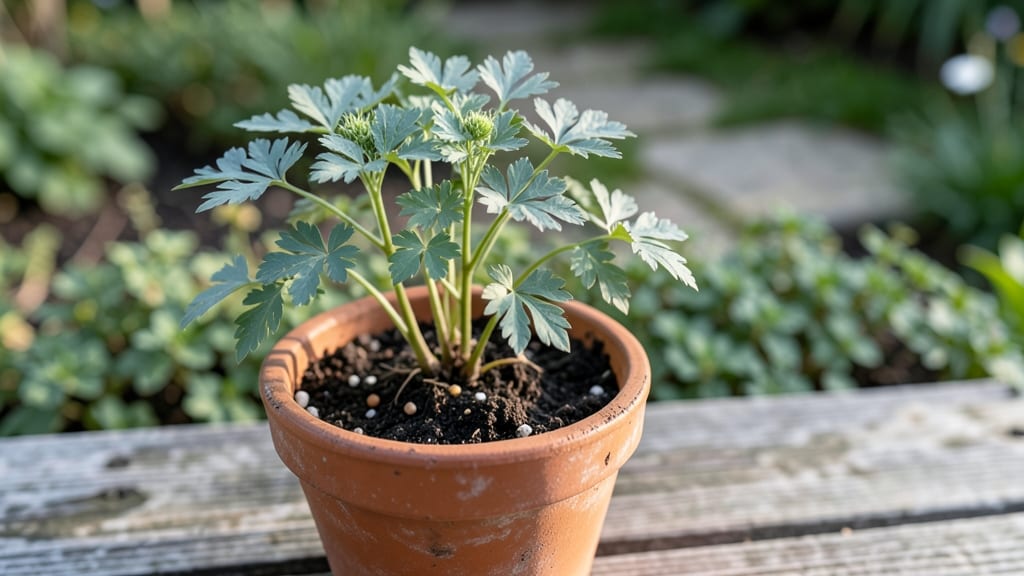
Growing Nigella damascena seedlings starts with keeping that soil just right—moist but never soggy. I’ve learned the hard way that these delicate seedlings need consistent moisture without drowning, or they’ll throw a fit and bolt before blooming.
The key is a light touch with watering, especially in those first few weeks when roots are still finding their footing.
You’ll want a sunny spot with at least 6 hours of direct light daily, but don’t let the soil dry out completely—think of it like a damp sponge, not a swamp.
Once the seedlings hit 2 inches tall, thin them to 12 inches apart so they have room to grow without competing. The secret to their famous lacy blue blooms?
Patience and letting nature do its thing—they’re self-seeders, so deadheading isn’t necessary unless you want to control where the next generation pops up.
By summer, you’ll be rewarded with those dreamy, misty blue flowers that hummingbirds adore. The trick is balancing water—too much and you’ll lose them to rot, too little and they’ll wilt before blooming. Trust the process, and you’ll have a garden that looks like it’s straight out of a storybook.
Works beautifully in borders, containers, or wildflower mixes—just give them space and the right moisture, and they’ll take care of the rest. Here’s how to keep them thriving from seed to bloom.
📚 In This Guide
- What you need
- Instructions
- Tips and common mistakes
- Wrapping up and next steps
What you need
- ● Seeds: 10–20 Nigella damascena seeds (ensure they’re fresh for best germination).
- ● Seedling trays or pots: 2–4 small containers (2–3 inches deep) with drainage holes.
- ● Potting mix: 2–3 cups of well-draining, sterile seed-starting mix (avoid garden soil—it may compact).
- ● Watering can or spray bottle: A fine-mist sprayer works best for delicate seedlings.
- ● Plastic wrap or humidity dome: To retain moisture during germination.
- ● Grow lights or sunny windowsill: A south-facing window or LED grow lights (12–16 hours/day).
- ○ Seedling heat mat (optional): Speeds up germination in cooler climates.
- ● Fertilizer (balanced, water-soluble): Diluted to half-strength once seedlings sprout.
- ● Tweezers or small spoon: For gently placing seeds in the soil.
- ● Labels & markers: To track planting dates and varieties.
- ○ Transplanting pots (optional): 3–4 inch pots for later-stage seedlings.
Step-by-step instructions for cultivating healthy Nigella damascena seedlings
Mastering moisture balance transforms delicate seedlings into robust plants ready for stunning blooms.
Prepare the Ideal Germination Environment
Start by filling small seedling trays with 1 gallon of moistened seed-starting mix, ensuring it's damp but not soggy—think of a wrung-out sponge. Nigella seeds need 60-65°F soil temperatures to germinate reliably, so place the tray on a seedling heat mat if your home runs cooler. I always press the seeds just below the surface—about ¼ inch deep—using my finger to create a tiny dimple for each seed.
The key here is patience. These seeds can take 14-21 days to sprout, so resist the urge to water frequently. Instead, maintain consistent moisture by covering the tray with a clear plastic dome or plastic wrap. Check daily for condensation—if you see droplets forming, remove the cover for 30 minutes to prevent fungal growth. You'll know germination is underway when tiny green shoots first appear, though they may look fragile at first.
Provide Gentle Light and Air Circulation
Once seedlings emerge, remove the cover completely and move them to a location with bright, indirect light—think east-facing window or under grow lights set to 12-14 hours daily. Direct sunlight at this stage will scorch the tender leaves, so avoid south-facing windows until seedlings develop their first true leaves. I position my seedlings about 6 inches below a T5 fluorescent grow light to prevent stretching.
Air circulation is critical to prevent damping-off. Place a small fan on low setting 3-4 inches away from the seedlings, running it for 1-2 hours daily. You'll notice stronger stems and darker green leaves within a week—this is your sign the seedlings are thriving. If leaves yellow at the edges, you're overwatering; if they appear pale and stretched, they need more light.
Implement a Precise Watering Schedule
Nigella seedlings despise soggy conditions, so water only when the top inch of soil feels dry to the touch. I use a spray bottle to mist the soil gently, avoiding the leaves to prevent fungal diseases. For 4 seedlings, a ½ cup of water per watering is typically sufficient. Always water in the morning so excess moisture can evaporate during the day.
Here's the trick: water deeply but infrequently. Let the soil dry slightly between waterings to encourage strong root development. You'll see healthy seedlings with compact growth and deep green leaves. If the soil remains consistently wet, roots suffocate and seedlings may collapse suddenly—a classic sign of overwatering.
Thin Seedlings for Optimal Growth
When seedlings reach 1-2 inches tall and develop their first true leaves, it's time to thin. Use clean scissors to snip the weakest seedlings at soil level, leaving only the strongest 2-3 plants per cell. This prevents competition for nutrients and light. I always keep the most vigorous seedling—the one with the darkest green leaves and sturdiest stem.
After thinning, reduce watering slightly to prevent stress. The remaining seedlings will show signs of improved growth within 5-7 days, with leaves becoming more vibrant and stems thickening. This is when you can gradually introduce them to 3-4 hours of morning sun daily, hardening them off for eventual outdoor planting.
Transition to Outdoor Conditions
About 4-6 weeks after germination, when seedlings are 3-4 inches tall with multiple true leaves, they're ready for outdoor acclimation. Start by placing them outside in a shaded, sheltered spot for 1 hour daily, gradually increasing exposure over 10-14 days. Watch for signs of stress—wilting or yellowing leaves mean they're not ready yet.
Once hardened off, transplant to your garden during cool morning hours to reduce transplant shock. Space seedlings 8-12 inches apart in well-draining soil with full sun exposure. The first few weeks outdoors are critical—monitor soil moisture closely, as outdoor conditions dry soil faster than containers. You'll see new growth within 2 weeks, signaling successful establishment.
Tips & tricks for perfect Nigella damascena seedling cultivation
A few strategic adjustments can transform your seedling tray from a potential disaster zone into a thriving nursery of robust Nigella Damascena plants.
Soil Temperature Precision: While the instructions specify 60-65°F soil temperatures, I've found that using a small infrared thermometer to verify temperature is worth the investment. These seeds are particularly sensitive to temperature fluctuations, and even a 5°F drop can delay germination by several days. Place your heat mat on a non-conductive surface to prevent heat loss through the countertop, and consider using a thermostat-controlled mat if your home experiences temperature swings.
Condensation Management: The 30-minute ventilation window when condensation appears is your critical observation period. I've learned to set a timer when I first cover the tray, as condensation often forms faster than expected in humid environments. If you notice water droplets forming on the plastic before 30 minutes, remove the cover immediately—prolonged condensation creates the perfect environment for fungal infections that can wipe out your seedlings before they even sprout.
Light Positioning Strategy: For the 12-14 hours of daily light, I recommend positioning your seedlings about 6 inches below the grow light and adjusting this distance weekly. As seedlings grow, they'll naturally stretch toward the light. Watch for leaves that appear elongated and pale—this is your signal to lower the light source incrementally. The goal is to maintain a 90-degree angle between the light and the seedlings' growth direction for optimal photosynthesis.
Thinning Technique: When thinning to 2-3 plants per cell, I use a pair of sterilized scissors to make clean cuts at soil level rather than pulling seedlings by hand. The roots break easily, and any remaining root fragments can introduce pathogens. After thinning, I reduce watering by 25% for the first 5-7 days to minimize stress on the remaining seedlings. This slight reduction in moisture actually helps the plants establish stronger root systems more quickly.
Pro Tips for Nigella Damascena Seedling
- A few strategic adjustments can transform your seedling tray from a potential disaster zone into a thriving nursery o...
- Soil Temperature Precision: While the instructions specify 60-65°F soil temperatures, I've found that using a small i...
- Condensation Management: The 30-minute ventilation window when condensation appears is your critical observation peri...
Frequently asked questions
How often should I water my nigella damascena seedlings?
Keep the soil consistently moist but not soggy—water when the top inch feels dry. Seedlings hate drought and waterlogged roots. A spray bottle or gentle watering can works best to avoid disturbing delicate sprouts. Once established, reduce frequency to 1-2 times per week, depending on climate.
When will my nigella damascena seedlings bloom?
Patience is key! With proper care, expect first blooms in 8–12 weeks from sowing. Cool weather (50–75°F) speeds up growth, while heat may delay flowering. Deadhead spent blooms to encourage longer, more abundant flowering—think lace-like charms for months!
Can I grow nigella damascena indoors?
While possible, it’s challenging indoors. Nigella thrives in full sun (6+ hours/day), so a sunny windowsill or grow light is a must. Use a well-draining pot and mimic outdoor conditions (like cool nights) for best results. For guaranteed blooms, try a sunroom or balcony instead.
Why are my nigella seedlings turning yellow or wilting?
Yellow leaves often signal overwatering or poor drainage. Wilting? It could be underwatering or heat stress. Check soil moisture, ensure pots have drainage holes, and move seedlings to partial shade if leaves crisp. A quick fix: Trim damaged foliage and adjust watering—consistency is critical!
Are there alternatives if my nigella seedlings fail?
No worries! Try these low-maintenance, drought-tolerant bloomers:
- Calendula – Edible, cheerful, and resilient.
- Cosmos – Thrives in poor soil and attracts pollinators.
- Lavender – Drought-proof and fragrant (but needs full sun).
Wrapping up and next steps
Growing a thriving Nigella damascena seedling boils down to one golden rule: mastering moisture balance. Whether you're a seasoned gardener or just starting, consistency in watering, soil quality, and environmental care will unlock stunning blooms that brighten any space. 🌸
Now that you’re armed with the know-how, take the next step—plant your seedling with confidence! Monitor its progress, adjust as needed, and soon, you’ll be rewarded with a garden bursting with delicate, fragrant flowers. Happy gardening! 🌱