
Lawn
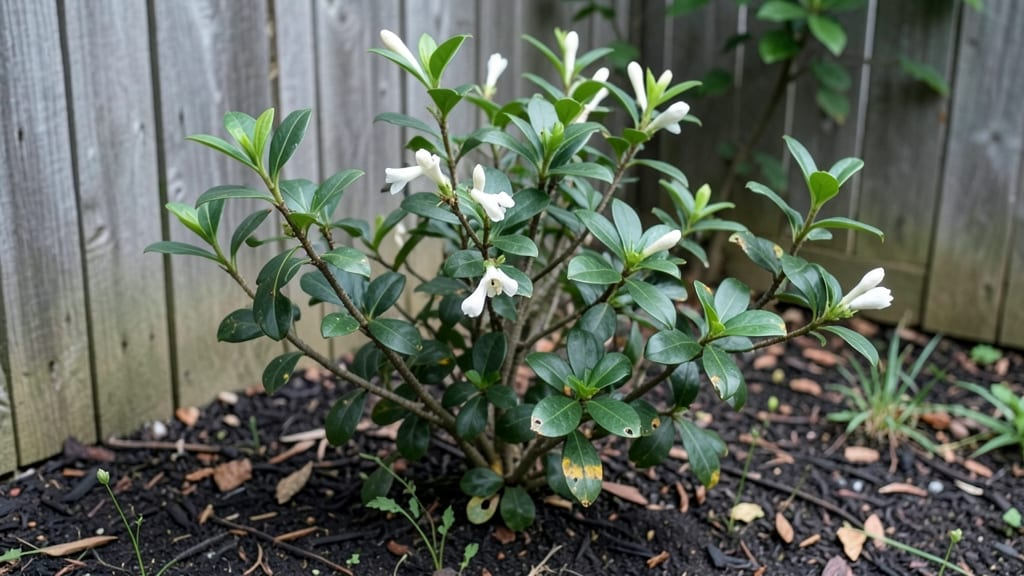
"Growing night jasmine from seed unlocks a fragrant secret garden in just 8 weeks—if you nail the cold stratification trick. 🌱 I’ve wrestled with these finicky seeds for years, and this method finally gave me reliable germination without the guesswork.
The key? Mimicking winter’s chill before the heat of spring.
You’ll need a handful of seeds, a plastic bag, and patience—no fancy equipment. Plant them shallow in moist potting mix, then refrigerate for 30-60 days to break dormancy. Once they’ve had their winter nap, move them to warm, bright light.
Most seeds sprout within 10-20 days after that, and the first true leaves signal it’s time to transplant.
By summer, you’ll have glossy vines climbing trellises or spilling over fences, heavy with star-shaped white blooms that perfume the evening air. The fragrance—sweet, tropical, and intoxicating—peaks after dark, making it a nighttime garden star. Just avoid overwatering; these plants hate soggy roots.
Pair it with drought-tolerant companions like lantana or sweet alyssum for a low-maintenance, high-reward display. Whether you’re training it up a pergola or letting it sprawl along a patio, night jasmine delivers drama with minimal effort once established. Ready to grow yours?"
📚 In This Guide
- What you need
- Instructions
- Tips and common mistakes
- Wrapping up and next steps
What you need
- ● Night jasmine seeds (Cestrum nocturnum): 10–20 seeds (freshness matters—aim for seeds harvested within 6–12 months).
- ● Cold stratification setup: Plastic bag or airtight container
- ● Damp paper towels or peat moss (moist but not soggy)
- ● Refrigerator with a consistent 35–45°F (2–7°C) temperature
- ● Potting mix: 1–2 gallons of well-draining cactus/succulent mix or a blend of 50% potting soil + 50% perlite/sand.
- ● Containers: 4–6-inch pots (biodegradable or plastic) or seed trays with drainage holes.
- ● Grow lights or sunny windowsill: Access to 6+ hours of indirect light daily (south-facing window or LED grow lights).
- ● Misting spray bottle: For gentle hydration during germination.
- ○ Humidity dome or plastic wrap: Optional but helpful for retaining moisture during early growth.
- ○ Gloves (optional): Night jasmine sap can irritate skin—nitrile gloves are a good idea!
- ● Small hand trowel: For transplanting seedlings into larger pots.
- ○ pH testing kit (optional): Ideal soil pH for night jasmine: 6.0–7.0.
- ● Fertilizer: Balanced liquid fertilizer (e.g., 10-10-10) for post-germination care.
- ○ Support structure (optional): Trellis, stakes, or tomato cages for training vines as they grow.
Step-by-step instructions for growing night jasmine from seed
Here’s how to break the dormancy barrier and grow these fragrant vines reliably.
🌱 Step 1: Stratify Seeds to Mimic Winter Conditions
Night jasmine seeds require cold stratification to break dormancy—this mimics the natural winter period they’d experience in the wild. Place the seeds in a moistened paper towel inside a sealed plastic bag. I like to fold the towel loosely, add 2-3 drops of water, and roll the seeds inside before sealing. Store the bag in your refrigerator’s crisper drawer for 6-8 weeks at 35-40°F. Check weekly—if the towel dries out, spritz it lightly with water.
Cold stratification is non-negotiable for night jasmine. Skipping this step means seeds may take years to germinate—or never sprout at all. The cold period softens the seed coat and jumpstarts metabolic activity. After 6 weeks, transfer the bag to room temperature for 2 more weeks to let the seeds warm up gradually. This transition prevents shock and ensures even germination.
🌱 Step 2: Sow Stratified Seeds in Well-Draining Mix
Fill 4-inch pots with a sterile seed-starting mix (avoid garden soil—it’s too dense and can harbor pathogens). Press the mix down lightly to remove air pockets, then create ¼-inch-deep furrows with your finger. Place 1-2 seeds per pot at ½-inch intervals—night jasmine germinates slowly, so spacing them out prevents overcrowding later. Cover the seeds with a thin layer of perlite (about ⅛ inch) to improve drainage and reduce fungal risk.
Mist the soil surface with a spray bottle until evenly damp but not soggy. A heavy watering will dislodge seeds or bury them too deep. Place the pots in a clear plastic bag or under a humidity dome to retain moisture. Seal the bag loosely—you want airflow to prevent mold. Keep the pots in indirect light (a north-facing window or under grow lights on a 12-hour cycle) until germination.
☀️ Step 3: Provide Warmth and Light for Germination
Night jasmine seeds germinate best at 70-75°F. Place the pots on a seedling heat mat or in a warm spot like on top of your fridge. Germination can take 4-12 weeks—patience is key here. Once sprouts appear, remove the humidity dome immediately to prevent damping-off (a fungal disease that collapses seedlings overnight). You’ll see tiny green cotyledons (the first true leaves) emerge first, followed by the vine’s characteristic oval-shaped leaves in 2-3 weeks after sprouting.
Move the seedlings to a bright, indirect light spot as soon as they break through the soil. If using grow lights, position them 2-3 inches above the plants and keep them on for 14-16 hours daily. Leggy seedlings (thin, stretched stems) mean the light is too weak or distant. Adjust immediately—once a seedling grows leggy, it rarely recovers proper strength.
🪴 Step 4: Transplant and Train for Climbing Growth
After 4-6 weeks of growth (when seedlings have 4-6 true leaves), transplant them into 5-gallon containers or directly into the ground in USDA Zones 8-11. Night jasmine is a fast-growing vine, so choose a support structure (like a trellis, fence, or arbor) at least 6-8 feet tall. Bury the pot halfway to encourage root growth into the soil. Water deeply at the base to settle the roots and reduce transplant shock.
Train the vines early by gently tying them to the support with soft plant ties or twine. Night jasmine climbs by twining, so guide the main stem upward as it grows. Prune any side shoots that form at the base to direct energy into one strong central leader. This ensures a taller, more vigorous vine with better fragrance production. Mulch the base with 2-3 inches of organic mulch to retain moisture and regulate soil temperature.
⏰ Step 5: Maintain Through First Season for Fragrance
Night jasmine thrives in full sun to partial shade—6+ hours of direct sunlight daily produces the most fragrant blooms. Water deeply once weekly (or more in 90°F+ heat) until the top 2 inches of soil feel dry. Overwatering leads to root rot, while underwatering causes drooping leaves and poor flowering. Fertilize lightly with a balanced 10-10-10 fertilizer every 6 weeks during the growing season. Too much nitrogen results in lush foliage but fewer flowers.
Watch for white, tubular flowers in late summer—these open at dusk and release their intoxicating fragrance. Deadhead spent blooms to encourage more flowering. By fall, your vine should be 6-10 feet tall with a strong woody stem. In colder zones, protect young plants with burlap wraps or move containers indoors before 32°F. With proper care, your night jasmine will bloom reliably for years and fill your garden with evening perfume.
Tips & tricks for perfect night jasmine seed germination
These tried-and-tested strategies will help you break dormancy and grow fragrant night jasmine vines reliably—without the years-long wait.
Cold Stratification Precision: The 6-8 week cold stratification at 35-40°F is your secret weapon. I've seen seeds fail when the temperature fluctuates above 40°F—use a refrigerator thermometer to confirm placement. For extra insurance, place the bag in a plastic container to prevent accidental door openings. After 6 weeks, the gradual 2-week room temperature transition is crucial—don't rush this step or you risk shock that stalls germination.
Seed Placement Technique: When sowing in Step 2, create those ¼-inch furrows with your finger, but don't press too firmly—night jasmine seeds need just enough soil contact to stay in place without being buried too deep. I use a toothpick to make the furrows more precisely, especially when working with multiple pots. The ⅛-inch perlite layer on top is non-negotiable for drainage; I've seen fungal issues develop when this step is skipped in humid conditions.
Germination Environment: The 70-75°F heat mat requirement is critical—if your kitchen runs cooler, place pots on top of your fridge instead. I've had success using a seedling heat mat under a tray to create a consistent warm zone. Once those cotyledons appear, remove the humidity dome immediately to prevent damping-off. You'll notice the first true leaves emerge in 2-3 weeks—this is your cue to adjust light positioning if seedlings look leggy.
Transplant Timing: Wait until you see 4-6 true leaves before transplanting in Step 4—this ensures the seedling has built enough root mass to handle the shock. I bury the pot halfway during transplanting to encourage roots to grow downward into the soil. For container growing, use 5-gallon pots with drainage holes—night jasmine hates soggy roots. The 6-8 foot support structure should be installed at the same time as transplanting to avoid disturbing established roots later.
Pro Tips for Night Jasmine Seed
- These tried-and-tested strategies will help you break dormancy and grow fragrant night jasmine vines reliably—without the years-long wait.
- Cold Stratification Precision: The 6-8 week cold stratification at 35-40°F is your secret weapon.
- Seed Placement Technique: When sowing in Step 2, create those ¼-inch furrows with your finger, but don't press too firmly—night jasmine seeds need just enough soil contact to stay in place without being buried too deep.
Frequently asked questions
How long does it take for night jasmine seeds to germinate?
With cold stratification (the key trick!), germination typically takes 4–12 weeks. Patience is key—keep seeds moist and warm (70–75°F) after stratification. Some may sprout earlier, while others need extra time. Pro tip: Check for tiny cracks in the seed coat as a sign of life!
Do night jasmine seeds need light to germinate?
Nope! Seeds germinate best in darkness during stratification. Once sprouted, move them to bright, indirect light (like a sunny windowsill or grow light). Direct sunlight can stress young seedlings. Fun fact: The first leaves (cotyledons) will look simple—true leaves arrive later!
Can I grow night jasmine from cuttings instead of seeds?
Cuttings are faster and easier than seeds. Take 4–6 inch semi-hardwood cuttings in spring/summer, dip in rooting hormone, and plant in moist perlite or sand. Keep humidity high (use a plastic bag) and roots form in 2–4 weeks. Tip: Choose healthy, disease-free vines for best results!
What if my seeds won’t sprout after stratification?
Don’t panic! Try these fixes:
- Check moisture: Seeds must stay consistently damp (not soggy). Mist lightly if dry.
- Test viability: Soak seeds in warm water for 24 hours—if they sink, they’re likely viable.
- Adjust warmth: Use a seedling heat mat (70–75°F) if your home runs cooler.
- Fresh seeds: Older seeds (>1 year) may lose vigor—try sourcing new ones.
If all else fails, cuttings or a nursery-grown plant might be your backup!
How do I know if my night jasmine plant is healthy?
A thriving night jasmine has:
- Vibrant green leaves (no yellowing or spots).
- New growth regularly (spring/summer).
- Fragrant white flowers at night (or early morning).
- No pests (watch for aphids or spider mites).
Warning sign: Drooping leaves = over/under-watering. Adjust care and monitor!
Wrapping up and next steps
Growing night jasmine seeds is a rewarding journey that brings fragrant blooms and lush greenery to your space—and you’ve got all the tools to succeed! 🌱 With patience, cold stratification, and a little care, you’ll enjoy sweet-scented flowers in just 8 weeks.
Whether you’re a beginner or a seasoned gardener, this fragrant vine is a beautiful addition to any yard or container.
Ready to take the next step? Grab your seeds, prep your growing area, and let nature do its magic. Share your progress with fellow gardeners—your fragrant success story might inspire others to grow night jasmine too!