
Companion Plants
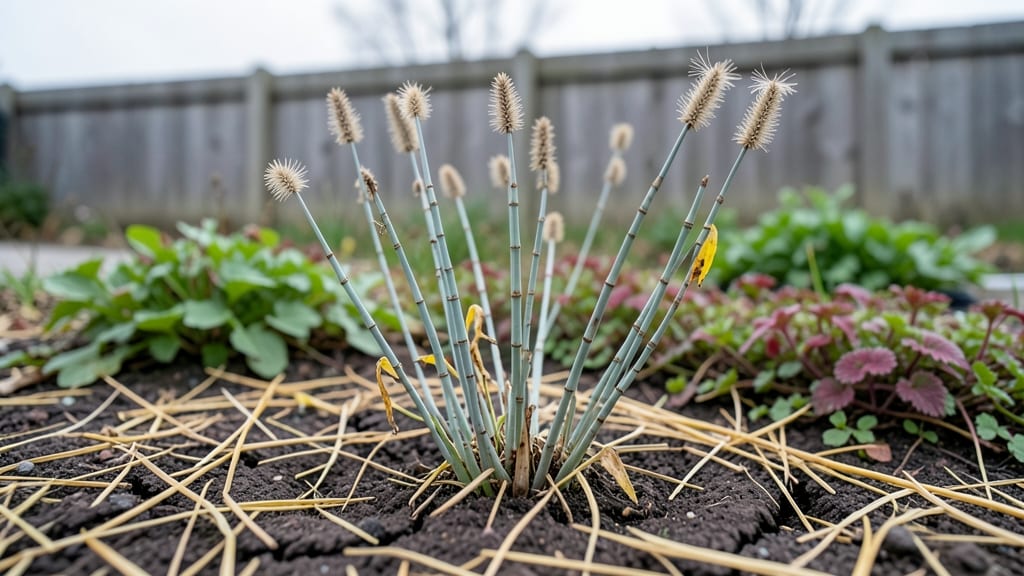
No seed plants like ferns, mosses, and ivy thrive in gardens by spreading through spores or runners instead of seeds, offering lush greenery with minimal maintenance. They excel in shaded areas and require consistent moisture for optimal growth.
These non-seed plants are nature's low-maintenance champions, perfect for gardeners who want vibrant foliage without the fuss of seed germination. 💫 Unlike flowering plants that rely on seeds, they reproduce through spores (like ferns) or underground stems (like hostas), making them incredibly resilient.
I've seen ivy cover entire walls in just a growing season—it's like having a living green curtain! Their ability to thrive in low-light conditions and damp soil also means fewer resources spent on fertilizers or sunlight adjustments.
What really sets them apart is their weed-suppressing power. Since they spread aggressively, they crowd out invasive weeds naturally, reducing the need for herbicides. For example, a well-placed hosta clump can block sunlight from reaching weeds while adding texture to your garden.
The trade-off? Some varieties can become invasive if left unchecked, so regular pruning is key for keeping them in balance.
💡 In This Article
- How No Seed Plants Reproduce and Spread
- Top No Seed Plants for Shade and Moisture-Rich Gardens
How no seed plants reproduce and spread
Here's what's actually happening with these plants: they bypass seeds entirely by using ancient, highly efficient reproduction methods. Ferns, for example, produce microscopic spores on the undersides of their fronds—think of them as nature's tiny seeds.
When conditions are right (typically high humidity and shade), these spores detach and travel via wind or water to new locations. A single mature fern can release thousands of spores per year, ensuring rapid colonization of suitable spaces.
The key factor is their adaptability to microenvironments. Mosses, another classic non-seed plant, spread through fragmentation—when pieces break off during water flow or animal movement, they simply grow into new plants. This is why moss thrives in damp, shaded corners where seeds would struggle.
Meanwhile, plants like hostas and ivy use rhizomes: horizontal underground stems that send out shoots at 2-4 inch intervals each growing season. These rhizomes store nutrients, allowing the plant to push through soil barriers and outcompete weeds by creating dense ground cover.
What most people don't realize is how these plants outsmart traditional weeds. Fern spores land on moist soil and germinate within 24-48 hours—far faster than most weed seeds.
Rhizomatous plants like Japanese knotweed can spread up to 3 feet per year, while mosses form impenetrable mats that block sunlight from reaching weed seeds. This natural suppression means less work for gardeners while achieving that lush, professional landscaping look.
Temperature and moisture create the perfect storm for their success. Fern spores need relative humidity above 70% to survive, which is why they dominate shady forest floors. Mosses require constant moisture but can survive brief dry periods by going dormant—a trait that makes them ideal for northern climates.
Meanwhile, ivy's runners can photosynthesize even in low light, allowing it to thrive where other plants would starve. The science behind this involves specialized structures like sori (spore clusters) in ferns and protonemata (thread-like moss seedlings) that can persist for years until conditions improve.
Consider these key factors when choosing non-seed plants for your garden:
- Spore dispersers: Ferns and clubmosses spread rapidly in windy conditions—ideal for woodland gardens
- Rhizome spreaders: Hostas and sweet flag create dense colonies perfect for suppressing weeds
- Fragmentation specialists: Mosses and liverworts excel in acidic, moisture-rich soils
The trade-off is their potential invasiveness—once established, some varieties like English ivy can become difficult to remove. But with strategic placement (like containing hostas with edging) and regular pruning, you can harness their spreading nature to create a self-sustaining green ecosystem.
The result? A garden that looks professionally landscaped with minimal ongoing effort. 🌿