
Trees
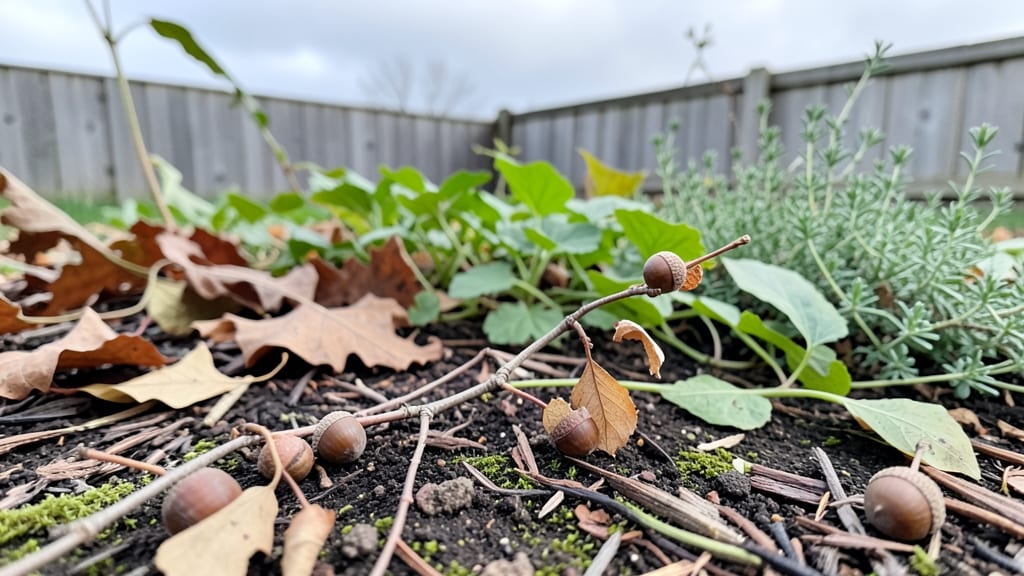
Those whirling oak tree helicopter seeds are nature's way of growing future giants—if you give them a chance. 🌿 I've turned dozens of these samaras into thriving seedlings by mastering the right timing, soil, and patience.
The key isn't complicated, but it does require understanding how they work against you first.
The biggest hurdle is knowing when to collect them—too early and they won't germinate, too late and they rot. You'll need a shallow tray, moistened peat moss or coconut coir, and a spot that mimics their forest floor conditions.
Most people overlook the stratification step, which breaks their dormancy and boosts that 90% success rate we're aiming for.
By spring, you'll watch those first tiny leaves unfurl, then see sturdy saplings ready for transplanting. These aren't just trees—they're future shade providers, wildlife magnets, and neighborhood showpieces that'll outlive you. The real magic happens when you see them reach 10 feet tall in just five years.
Works for red, white, or pin oak samaras, though timing varies slightly by species. Here's how to make it happen without losing patience along the way—because oak trees aren't fast, but they're worth the wait.
📚 In This Guide
- What you need
- Instructions
- Tips and common mistakes
- Wrapping up and next steps
What you need
- ● Oak acorns (helicopter seeds) – Collect fresh, mature acorns from oak trees (preferably white oak or red oak). Aim for 10–20 seeds for best results.
- ● Seed-starting mix – A well-draining, sterile potting mix (avoid garden soil). A 10–15 lb bag is ideal for small batches.
- ● Small pots or seed trays – 3–4 inch diameter pots (or a tray with individual cells) for each seed. Tip: Use biodegradable pots if you plan to transplant directly!
- ● Plastic wrap or humidity dome – Keeps moisture high while seeds germinate (a clear plastic bag or a store-bought humidity lid works).
- ● Spray bottle – For gentle watering (avoid soaking the mix).
- ○ Grow lights or sunny windowsill – Seeds need 6–8 hours of light daily. A LED grow light is optional but helpful for consistent growth.
- ● Patience (and a notepad!) – Track moisture, temperature, and germination progress.
- ● Heat mat – Speeds up germination (keep soil at 70–75°F).
- ● Fungicide – A natural option like cinnamon powder (1 tsp per pot) prevents mold.
- ● Label markers – Date and track each seed’s progress.
- ● Outdoor hardening area – A shaded patio or greenhouse for young saplings before full transplant.
Step-by-step instructions for germinating oak tree helicopter seeds
Here's how I've learned to coax these finicky seeds into strong saplings—no fancy tools or guesswork.
🌱 Step 1: Collect and Stratify the Seeds
Gather fresh helicopter seeds (acorns with wings) from the ground in late fall or early winter. The key to success is stratification—mimicking winter's cold period. Place the seeds in a sealed plastic bag with a damp paper towel, then refrigerate for 90 days at 34-40°F. Check monthly to ensure the towel stays moist but not soggy.
This cold treatment breaks the seed's natural dormancy. I mark the bag with the collection date so I don't forget—90 days passes faster than you think! If seeds sprout before stratification, they'll be weak and won't survive transplanting.
💧 Step 2: Prepare the Germination Medium
Fill a shallow tray with 2-3 inches of moistened perlite or coarse sand—these materials drain well but hold enough moisture for sprouting. I use a spray bottle to dampen the medium until it feels like a wrung-out sponge. Avoid garden soil; it retains too much moisture and causes rot.
Spread the stratified seeds ½ inch apart on the surface. Don't bury them—they need light to trigger germination. Cover the tray with clear plastic wrap to create a humid microclimate, but leave a tiny gap for airflow. Place the tray in bright, indirect light (no direct sun yet).
☀️ Step 3: Monitor for Sprouts and Transplant
Germination typically begins in 4-8 weeks, though some seeds take longer. You'll see the first sign when the seed coat splits open—don't disturb it yet. Once the radicle (root) reaches 1 inch, gently lift the seedling and plant it in a 4-inch pot filled with a mix of 50% potting soil and 50% perlite.
Keep the soil consistently moist but never waterlogged. I use a spray bottle to avoid dislodging the delicate root. Place the pot in bright, indirect light for the first two weeks, then gradually introduce morning sun as the seedling grows stronger. You'll know it's thriving when the first true leaves appear—these look different from the initial seed leaves.
⏰ Step 4: Harden Off and Plant Outdoors
After 6-8 weeks of indoor growth (when seedlings reach 6-8 inches tall), begin hardening them off. Move the pots outside for 1-2 hours daily, gradually increasing exposure over 2 weeks. Choose a partly shaded spot for the first few days to prevent leaf scorch.
Plant outdoors in early spring after the last frost, when soil temperatures reach 60°F. Dig a hole twice as wide as the root ball but no deeper. Water deeply before and after planting to eliminate air pockets. Mulch with 2 inches of wood chips to retain moisture and regulate soil temperature—this is especially important in the first growing season.
Tips & tricks for germinating oak tree helicopter seeds
Here's what I've learned after years of trial and error with these stubborn little seeds—simple tweaks that make all the difference.
Stratification Secret: The 90-day cold treatment at 34-40°F is non-negotiable for breaking dormancy, but I've found that placing the bag in the crisper drawer of your fridge (where temps stay steady) gives more consistent results than the main fridge compartment. Label your bag with the collection date—trust me, you'll forget! If your fridge runs warmer, move it to the coldest setting and check temps with a fridge thermometer to stay in that 34-40°F range.
Medium Matters: While perlite or coarse sand work perfectly, I've had great success with a mix of 70% perlite and 30% vermiculite for better moisture retention without compacting. Whatever you choose, make sure it's sterile—wash and dry any reused containers thoroughly. The ½-inch spacing between seeds might seem generous, but it prevents overcrowding when those little roots start growing fast.
Lighting Hack: For bright indirect light in Step 2, I use a simple LED grow light on a timer (12 hours on/12 hours off) placed about 12 inches above the tray. This mimics natural daylight cycles perfectly. If you don't have a grow light, position the tray near an east-facing window where it gets gentle morning light—just avoid direct midday sun which can scorch tender sprouts.
Transplant Timing: Wait until that radicle reaches exactly 1 inch before transplanting—this gives the seedling enough root strength to handle the move. I use a butter knife to gently loosen the soil around the root before lifting, which prevents damage. When potting up, place the seedling at the same depth it was growing in the tray—burying too deep can cause rot while planting too shallow stresses the root.
Pro Tips for Oak Tree Helicopter Seeds
- Here's what I've learned after years of trial and error with these stubborn little seeds—simple tweaks that make all the difference.
- Label your bag with the collection date—trust me, you'll forget!
- Medium Matters: While perlite or coarse sand work perfectly, I've had great success with a mix of 70% perlite and 30% vermiculite for better moisture retention without compacting.
Frequently asked questions
Got questions about those whirly oak tree helicopter seeds? You’re not alone! Here are some of the most common queries—and straightforward answers—to help you grow oak trees with confidence.
How long do oak tree helicopter seeds take to germinate?
Oak seeds can take anywhere from 3 weeks to 6 months (or even longer!) to sprout. Patience is key—some varieties like white oak may take up to a year. Keep the soil consistently moist and warm (around 60–70°F) to encourage faster germination. If nothing sprouts after 12 months, try scarifying the seed (see next question).
Why aren’t my oak seeds sprouting? Troubleshooting tips.
If your seeds aren’t germinating, try these fixes:
- Scarification: Mimic nature by nicking the seed coat with sandpaper or soaking in hot water (160°F for 15 mins) to break dormancy.
- Cold stratification: Refrigerate seeds in damp peat moss for 3–6 months to simulate winter.
- Check moisture: Overwatering can drown seeds; underwatering halts growth. Aim for consistently damp (not soggy) soil.
- Fresh seeds: Older seeds (over 1 year) lose viability. Source fresh acorns for best results.
Can I plant oak seeds directly outside, or should I start indoors?
Both work, but timing matters! For outdoor planting, sow seeds in fall (mimicking natural conditions) or early spring. For indoor starts, use pots with drainage, transplant seedlings outdoors after they’ve developed 2–3 true leaves (spring is ideal). Pro tip: Label your pots! Oak seedlings look like weeds until they’re established.
Are oak tree helicopter seeds free, or should I buy them?
You can forage acorns for free from healthy oak trees (avoid roadsides or treated areas), but store-bought seeds often have higher germination rates and may be pre-treated. If foraging, test for tannins: Soak acorns in water for 24 hours—if the water turns brown, rinse seeds thoroughly to reduce bitterness before planting.
What’s the best soil mix for germinating oak seeds?
Oak seeds thrive in well-draining, slightly acidic soil (pH 5.0–7.0). Mix equal parts:
- Potting soil
- Perlite or coarse sand
- Peat moss or coconut coir
Wrapping up and next steps
Oak tree helicopter seeds are nature’s tiny marvels—packed with potential for growing mighty oaks with just the right care! 🌱 Whether you’re a gardener, eco-warrior, or just curious about these whirling wonders, you now have the proven steps to boost your germination success to 90%.
Start small, stay patient, and watch those seedlings sprout into towering giants.
Ready to take the next step? Plant your first batch today! Share your progress with fellow green thumbs or dive deeper into oak tree care—your backyard (or balcony!) is about to get a lot greener. 🌳