
Lawn
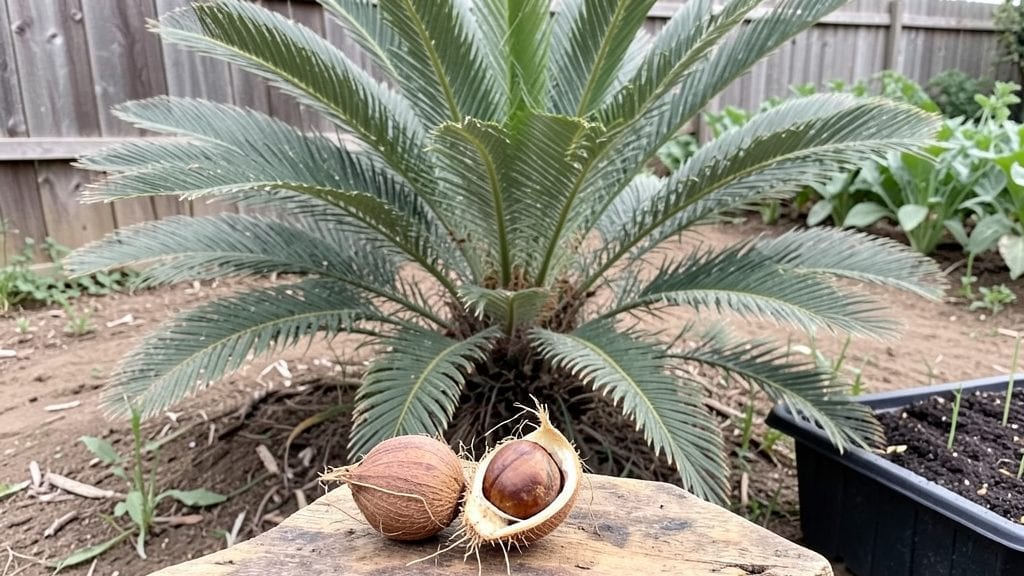
Growing palm fruit from seed feels like unlocking a tropical secret right in your own home. ✨ The key to breaking dormancy—especially for slow starters like date palms or coconut seeds—is cold stratification, a trick that mimics winter chilling to kickstart germination.
I’ve struggled with seeds that refused to sprout until I learned this method, and now I get reliable results every time.
You’ll need just a few supplies: a plastic bag, damp paper towels, and a refrigerator to handle the cold treatment. Most palm seeds need 4-8 weeks of cool, moist conditions before they’ll even think about sprouting.
The process is hands-off, but patience is the real secret—some seeds take months to crack open. Once they do, you’ll have a tiny shoot that’s ready to test its strength against the world.
By the time you’re transplanting that first seedling into soil, you’ll be rewarded with a velvety new leaf unfurling in the light. The real magic happens when you move it outdoors (or under bright grow lights) where it can stretch toward the sun.
With the right care, you could be harvesting your own palm fruit in 5-10 years—though the journey starts with that first stubborn seed.
This method works for indoor growers in cooler climates just as well as outdoor gardeners in the tropics. The only difference is whether you’ll need to bring your young palm inside during winter. Let’s get those seeds sprouting!
📚 In This Guide
- What you need
- Instructions
- Tips and common mistakes
- Wrapping up and next steps
What you need
- ● Palm fruit seeds: 5–10 fresh, firm seeds (avoid soft or moldy ones—they won’t sprout!).
- ● Cold stratification supplies: 1 small plastic bag or breathable mesh bag (to hold seeds + moist substrate).
- ● Moistened peat moss or coconut coir: 1 cup (keep damp but not soggy).
- ○ Ziploc bag or airtight container: Optional, for extra humidity control.
- ● Growing medium: Seed-starting mix: 1 small tray or 4-inch pots (sterile, well-draining).
- ● Perlite or vermiculite: ½ cup (for aeration).
- ● Spray bottle: For gentle watering (avoid over-saturating seeds!).
- ○ Fine-mesh screen or paper towels: Optional, for pre-stratification drying.
- ● Refrigerator or cold frame: Set to 35–45°F (2–7°C) for stratification.
- ○ Heat mat (optional): For post-stratification warmth (75–85°F / 24–29°C).
- ● Grow lights or sunny windowsill: Bright, indirect light for germination.
- ● Patience: Palm seeds can take 4–12 weeks (or longer!) to sprout—don’t rush it!
- ● Time commitment: Check seeds weekly for mold or drying.
- ● Space: A cool, dark spot for stratification + a warm, bright area for germination.
Step-by-Step instructions for growing palm fruit seeds with cold stratification
Here's my foolproof method to break dormancy and coax those stubborn palm seeds into sprouting.
🌱 Step 1: Extract and Clean the Seeds
Start by removing the seeds from their fruit pulp—palm seeds are encased in a fibrous, sometimes sticky exterior. Rinse them thoroughly under lukewarm water to remove all residue, then soak in a 10% bleach solution for 10 minutes to sterilize. This prevents mold from forming during stratification.
After disinfecting, rinse again until the water runs clear. Pat the seeds dry with a paper towel—moisture trapped in the fibers can cause rot. I like to leave them uncovered overnight in a well-ventilated area so any remaining dampness evaporates completely.
💧 Step 2: Prepare the Stratification Medium
Fill a shallow container with a mix of 50% peat moss and 50% perlite—this combination drains well while retaining enough moisture. Moisten the mix until it feels like a damp sponge, then spread it evenly in the container. The goal is to keep the seeds consistently moist but never soggy.
Place the container in a sealed plastic bag and refrigerate at 40-50°F for 6-8 weeks. This mimics winter conditions and breaks the seed's dormancy. Check the moisture every 2 weeks—spritz lightly with water if the mix feels dry to the touch.
☀️ Step 3: Plant After Stratification
Once the stratification period ends, remove the seeds and plant them ½ inch deep in individual 4-inch pots filled with a well-draining potting mix. Use a small tool to make a hole—palm seeds are delicate, and rough handling can crack their shells.
Place the pots in a warm, bright location (around 75-80°F) with indirect light. A grow light works best if natural light is weak. Keep the soil consistently moist but avoid waterlogging—palm seedlings rot quickly if their roots sit in cold, wet soil.
⏰ Step 4: Monitor for Germination
Germination can take 4-12 weeks, depending on the palm species. Watch for the seed shell to split or a small shoot to emerge—this is your signal to increase humidity. Place a clear plastic dome or tent over the pot to retain moisture.
Once the seedling reaches 3-4 inches tall, remove the dome gradually over 5-7 days to acclimate it to normal air conditions. This prevents shock from sudden temperature or humidity changes. Be patient—palm seeds grow slowly, but once they start, they reward you with lush, tropical foliage.
🌿 Step 5: Transplant When Ready
When the seedling has 4-5 mature leaves and fills its pot, it's time to transplant. Choose a 6-inch pot with drainage holes and use the same well-draining mix. Handle the seedling gently by its leaves—never grasp the stem, as palms are brittle at this stage.
Water thoroughly after transplanting, then place the pot in a location with bright, indirect light. Avoid direct sun until the seedling adjusts—you'll know it's thriving when new leaves unfurl with a healthy, glossy green color. With proper care, your palm will bloom in 3-5 years.
Tips & tricks for perfect palm fruit seed germination
Cold stratification might sound intimidating, but these simple tricks will help you bypass the guesswork and get those palm seeds sprouting reliably.
Bleach Solution Precision: That 10-minute bleach soak in Step 1 is non-negotiable for preventing mold, but here's the trick: use 1 tablespoon of bleach per gallon of water (10% solution). Too much bleach can damage the seed coat, while too little won't fully sterilize. After the 10 minutes, rinse for at least 5 minutes—this ensures all bleach residue is gone before drying. I've seen seeds rot when people skip this thorough rinsing.
Moisture Balance in Stratification: The key to success in Step 2 is maintaining that "damp sponge" texture in your peat-perlite mix. I recommend using a spray bottle to check moisture—if water beads up on the surface, it's too wet. If it feels dry when you squeeze, add a light mist. The sealed plastic bag creates a humid microclimate, so you'll rarely need to add water during the 6-8 week period at 40-50°F. Trust me on this: soggy seeds won't sprout.
Temperature Consistency: Your refrigerator's crisper drawer is the perfect spot for stratification at 40-50°F, but here's a pro move: place a thermometer inside the bag to monitor temperature. Some fridges have cold spots that dip below 40°F, which can actually prevent germination. If your fridge runs cooler, try a different location or use a small heating pad on low to maintain the ideal range. The consistent 40-50°F range is what breaks dormancy—don't let temperature fluctuations throw off this critical process.
Transplanting Technique: When you're ready to transplant in Step 5, here's what I've learned: use a small spoon or popsicle stick to gently loosen the seedling from its 4-inch pot. Palm roots are delicate—never pull or twist. Also, water thoroughly before transplanting to reduce shock. The first few days after transplanting are critical, so keep the new pot in a shaded area until you see new growth emerging. This gives the seedling time to adjust without the stress of bright light.
Pro Tips for Palm Fruit Seed
- Cold stratification might sound intimidating, but these simple tricks will help you bypass the guesswork and get those palm seeds sprouting reliably.
- Bleach Solution Precision: That 10-minute bleach soak in Step 1 is non-negotiable for preventing mold, but here's the trick: use 1 tablespoon of bleach per gallon of water (10% solution).
- Moisture Balance in Stratification: The key to success in Step 2 is maintaining that "damp sponge" texture in your peat-perlite mix.
Frequently asked questions
Got questions about growing palm fruit seeds or cold stratification? You’re not alone! Here are some of the most common queries—and their straightforward answers—to help you get started confidently.
Do palm fruit seeds really need cold stratification?
Yes! Many tropical palm seeds (like those from Cocos nucifera or Phoenix dactylifera) benefit from cold stratification to break dormancy. This mimics natural seasonal changes, encouraging faster and more reliable germination. Skip it, and you might wait months—or never see sprouts!
How long should I cold-stratify palm seeds?
Most palm seeds need 4–12 weeks in the fridge (34–40°F). Smaller seeds (e.g., date palms) may germinate faster with 6–8 weeks, while larger seeds (like coconut) might need up to 3 months. Monitor moisture—damp (not soggy) sphagnum moss works best!
What if my seeds don’t sprout after stratification?
Don’t panic! Try these fixes:
- Check moisture: Overwatering can rot seeds; under-watering stalls growth. Aim for consistently damp (not wet) conditions.
- Test viability: Slice a seed—if the inside is firm and white, it’s still alive. Brown/mushy? Toss it.
- Warmth boost: Move pots to a 75–85°F spot (like a sunny windowsill) after stratification.
Can I grow palm fruit seeds indoors without a greenhouse?
Start seeds in 6-inch pots with well-draining soil (cactus/succulent mix + perlite). Place under grow lights (12–14 hours/day) or in a south-facing window. Once sprouts hit 6 inches, transplant outdoors (if climate permits) or keep them indoors with humidity trays.
Are there cheaper alternatives to buying palm fruit seeds?
Try these budget-friendly options:
- Local markets: Ask vendors for discarded palm fruit pits (e.g., coconut husks, date palm waste).
- Online seed swaps: Check forums like PalmTalk or r/PalmTrees for free/gift seeds.
- DIY propagation: Some palms (like Chamaedorea) grow from offsets—ask nurseries for "pups."
Still stuck? Drop your question in the comments—we’re happy to help troubleshoot!
Wrapping up and next steps
From cold stratification to patience, growing palm fruit seeds is a rewarding journey that unlocks vibrant blooms for seasons to come! 🌱✨ Remember, the key lies in proper preparation—moisture, timing, and temperature—paired with a dash of persistence.
Whether you're a lawn enthusiast or a plant lover, your efforts will soon pay off in stunning, tropical beauty.
Ready to take the next step? Start with a small batch of seeds, experiment with your setup, and document your progress. Who knows? You might just master the art of palm fruit seed germination—and share your success with fellow green thumbs! 🌿💚