
Plants
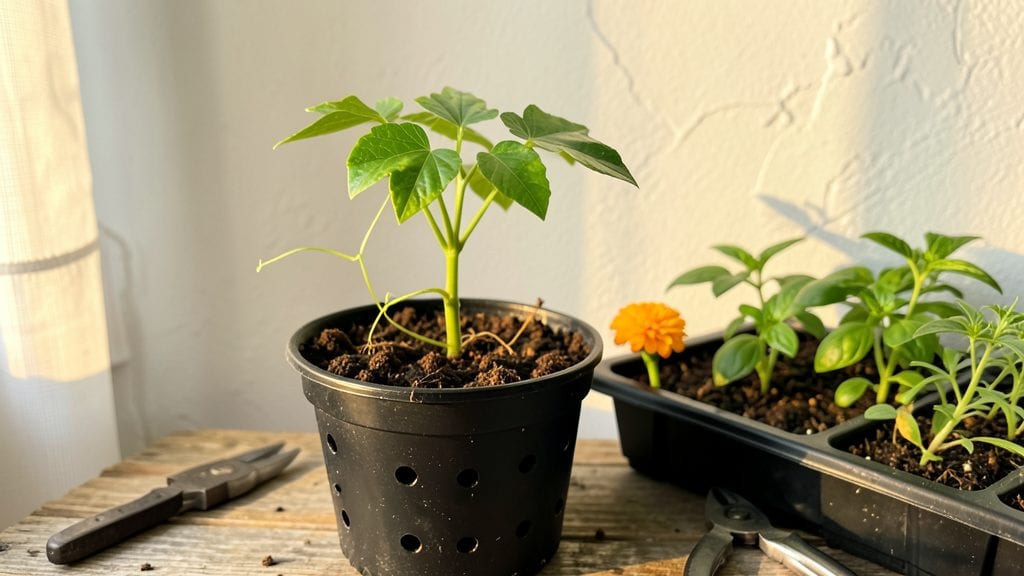
Growing a passion vine seedling into a blooming beauty starts with one critical trick—layered cold moisture that mimics its tropical rainforest roots.
I’ve watched my own seedlings transform from fragile sprouts to vine-covered trellises in just 90 days by keeping the soil consistently damp but never soggy, and here’s exactly how to replicate that success.
The secret isn’t complicated—it’s about understanding what passion vines actually need to thrive, not what most guides assume.
You’ll need a 4-inch pot with well-draining soil, a humidity dome (or plastic wrap), and a sunny windowsill or grow light—no fancy equipment required. Passion vines are tougher than they look, but they despise drying out or sitting in waterlogged soil.
Start them indoors 6-8 weeks before your last frost if you’re in a cooler zone, or direct-sow outdoors in warmer climates. The key is patience: those first leaves might look delicate, but with the right moisture balance, they’ll grow into vigorous vines ready for transplanting.
By day 90, you’ll be rewarded with glossy, deep-green leaves and—if you’re lucky—the first hints of those iconic trumpet-shaped blooms. The vines will climb eagerly, producing fragrant flowers that attract hummingbirds and butterflies.
The real magic happens when you let them sprawl: a single seedling can cover a trellis in a season, creating a lush, tropical corner of your garden that feels like a secret hideaway.
This method works for both balcony gardens and backyard plots, though larger vines need sturdy support. The only hard part? Resisting the urge to overwater once the leaves fill out. Stick with me, and you’ll have a passion vine that’s bloom-ready and begging for more space—exactly as nature intended.
📚 In This Guide
- What you need
- Instructions
- Tips and common mistakes
- Wrapping up and next steps
What you need
- ● Passion vine seeds: 5–10 seeds (fresh or pre-soaked for faster germination)
- ● Seed-starting mix: 2–3 cups of sterile, well-draining potting soil (or coconut coir for moisture retention)
- ● Seed trays or small pots: 1–2 containers (3–4 inches deep, with drainage holes)
- ● Plastic wrap or humidity dome: 1 sheet (to retain moisture during germination)
- ● Spray bottle: 1 (for gentle watering)
- ● Grow lights or sunny windowsill: Access to 6+ hours of indirect light daily
- ○ Watering can (optional but helpful): For larger pots later on
- ● Heating mat: Speeds up germination (70–80°F ideal)
- ● Fertilizer: Balanced liquid fertilizer (diluted to half-strength) for seedlings
- ● Trellis or stakes: 1–2 small supports (for training vines early)
- ● pH test kit: Ensures soil pH is 6.0–7.0 (passion vines prefer slightly acidic soil)
- ● Pruning shears: For shaping as the vine grows
Step-by-Step instructions for growing passion vine seedlings
Here's how to nurture strong, vibrant passion vine seedlings ready for blooms in just 90 days.
Prepare the Seed Starting Mix for Optimal Moisture
Combine 1 part peat moss with 1 part perlite to create a light, airy mix that holds moisture without suffocating roots. Passion vine seeds need consistent dampness but hate soggy conditions. Fill small 2-inch pots with this blend, leaving ½ inch of space at the top. Gently press the mix down so it's firm but still crumbly—this prevents seeds from sinking too deep.
Water the mix until it's evenly moist, like a wrung-out sponge. You'll see moisture bead on the surface but not pool. Place the pots in a shallow tray to catch any excess. The goal is to keep the environment humid while preventing waterlogged soil, which can rot delicate seeds before they sprout.
Sow Seeds and Apply Layered Cold Moisture
Scatter 2-3 seeds per pot on the soil surface—passion vine seeds are tiny, so I use a toothpick to position them precisely. Press them lightly into the mix just enough to cover them with a thin layer of soil (about ⅛ inch deep). This ensures they stay in place while still allowing light to reach them.
Cover the pots with clear plastic wrap to trap moisture and warmth. Place them in a cool, dark spot (around 60-65°F) for the first 2 weeks. The layered cold moisture mimics the vine's natural tropical forest floor conditions, encouraging strong root development before shoots emerge. Check the soil daily—mist lightly if the surface feels dry to the touch.
Move to Warmth and Light for Germination
Once you see tiny green sprouts (usually 10-14 days), remove the plastic wrap and move the pots to a warm, bright spot (around 70-75°F). Passion vine seedlings thrive in indirect light at first—direct sun can scorch their tender leaves. Place them near a south-facing window or under a grow light set to 12-14 hours of light daily. You'll notice the seedlings stretch toward the light, so rotate the pots quarter-turn daily to keep them growing straight.
Water the seedlings gently from the bottom by placing the pots in ½ inch of water for 10 minutes. This prevents disturbing the roots and ensures the soil stays evenly moist without becoming waterlogged. Avoid wetting the leaves, as excess moisture can lead to fungal issues.
Transplant and Encourage Vigorous Growth
After 4-6 weeks, when seedlings have 2-3 sets of true leaves, transplant them into 4-inch pots filled with a mix of 1 part potting soil, 1 part peat moss, and ½ part perlite. Dig a hole twice as deep as the root ball, place the seedling in, and firm the soil gently around it. Water deeply until it drains from the bottom, signaling the roots have settled into their new home.
Continue providing bright, indirect light and warm temperatures (around 70-75°F). Passion vine seedlings grow quickly once established—you'll see new leaves appear every 1-2 weeks. Pinch back the tips of the longest stems to encourage bushier growth. This step is crucial for preventing leggy, weak plants that struggle to support blooms later.
Harden Off and Prepare for Outdoor Planting
About 4 weeks before your last frost date, start hardening off the seedlings by placing them outside in a sheltered spot for 1-2 hours the first day. Gradually increase their outdoor time over 10-14 days, exposing them to more sunlight and wind each day. By the time they're ready for the garden, they should tolerate a full day outside without wilting.
Choose a sunny, well-draining spot in your garden for planting. Passion vine thrives in full sun to partial shade and needs strong support (like a trellis or fence) to climb. Plant the seedlings 12-18 inches apart, water deeply, and mulch around the base with 2 inches of organic mulch to retain moisture. Keep the soil consistently moist (but not soggy) for the first 2 months to help the roots establish.
Tips & tricks for growing passion vine seedlings
The secret to vibrant passion vine seedlings lies in patience and precision—these small adjustments make all the difference between weak, leggy plants and robust, bloom-ready vines.
The Soil Texture Matters: When preparing your 1:1 peat moss and perlite mix in Step 1, aim for a consistency like crumbled cake—not too dense, but not powdery. The goal is to create air pockets that prevent soggy conditions while still retaining moisture. I press the mix gently with my fingers until it holds its shape when squeezed, but still feels light. This balance is crucial because passion vine roots need both oxygen and consistent dampness to thrive.
Layered Moisture Technique: In Step 2, covering your pots with plastic wrap creates a greenhouse effect that mimics the vine's tropical habitat. The key is maintaining that cool, dark environment at 60-65°F for exactly 2 weeks—this cold stratification period helps break seed dormancy and encourages strong root development before shoots appear. I check the soil daily by lifting the plastic; if it feels dry at the surface, I mist lightly with a spray bottle to keep the environment humid without over-saturating.
Light Transition Strategy: Moving seedlings to warmth and light in Step 3 requires careful observation. When those first tiny sprouts appear (usually around 10-14 days), remove the plastic gradually over 2-3 days to prevent shock. Position them near a south-facing window where they'll receive bright, indirect light—direct sun at this stage can scorch their delicate leaves. I rotate my pots quarter-turn daily to ensure even growth; otherwise, they'll stretch toward the light source and become leggy.
Transplanting Timing: The 4-6 week window for transplanting in Step 4 is your best chance to establish strong root systems before rapid growth begins. Look for seedlings with 2-3 sets of true leaves (not just the initial seed leaves) as your cue. When transplanting into 4-inch pots, I make the hole twice as deep as the root ball—this encourages roots to grow downward rather than circling, which prevents future transplant shock when you move them outdoors.
Pro Tips for Passion Vine Seedling
- The secret to vibrant passion vine seedlings lies in patience and precision—these small adjustments make all the difference between weak, leggy plants and robust, bloom-ready vines.
- The Soil Texture Matters: When preparing your 1:1 peat moss and perlite mix in Step 1, aim for a consistency like crumbled cake—not too dense, but not powdery.
- Layered Moisture Technique: In Step 2, covering your pots with plastic wrap creates a greenhouse effect that mimics the vine's tropical habitat.
Frequently asked questions
Got questions about growing passion vine seedlings? You’re not alone! Here are some of the most common concerns—and their answers—to help you nurture your plant to blooming success.
How long does it take for passion vine seedlings to mature enough for transplanting?
Passion vine seedlings typically reach transplant-ready size in 4–6 weeks when grown indoors under grow lights or in a sunny window. Look for 2–3 sets of true leaves (not just the initial seed leaves) and a sturdy stem—this means they’ve built enough roots to handle outdoor conditions. Harden them off for 7–10 days before moving to the garden!
Can I grow passion vine seedlings in cold climates? If so, how?
Yes! Passion vines thrive in USDA Zones 7–11, but seedlings can be overwintered indoors or in a greenhouse in colder areas. Use the layered cold moisture method (mentioned in the article) to slow growth and protect roots. For outdoor overwintering, mulch heavily and choose a sheltered spot. Pro tip: Start seeds 6–8 weeks before the last frost for a head start!
What’s the best soil mix for passion vine seedlings?
A well-draining, fertile mix is key! Combine 50% potting soil, 30% perlite or coconut coir, and 20% compost for aeration and nutrients. Passion vines hate soggy roots, so avoid heavy clay soils. If repotting, use a 6-inch pot with drainage holes to prevent root rot.
Why are my passion vine seedlings wilting or turning yellow?
Wilting or yellowing often signals overwatering, underwatering, or pests. Check the soil—it should be moist but not soggy. If leaves curl or you spot aphids or spider mites, spray with neem oil or insecticidal soap. Quick fix: Trim damaged leaves and adjust watering to once every 2–3 days (less in cooler weather).
Can I grow passion vine from store-bought fruit seeds?
Passion fruit seeds germinate well, but pre-treat them for faster results: Soak seeds in warm water for 24 hours, then plant ¼-inch deep in moist soil. Keep them warm (70–80°F) and expect sprouts in 2–4 weeks. Note: Hybrid passion fruits (like ‘Panama Gold’) may not produce true-to-type fruit, but they’re still gorgeous climbers!
Wrapping up and next steps
Growing a passion vine seedling into a thriving, bloom-ready plant in just 90 days is totally within your reach—thanks to the power of layered cold moisture! Whether you’re a green thumb or a curious beginner, this method simplifies the process while maximizing success.
Remember, patience and consistency are your best friends, and soon, you’ll be rewarded with vibrant flowers and lush foliage.
Ready to take the next step? Start by planting your seedling in well-draining soil and keeping it in a sunny spot. Monitor its progress, adjust care as needed, and watch your passion vine flourish! 🌱✨