Picking
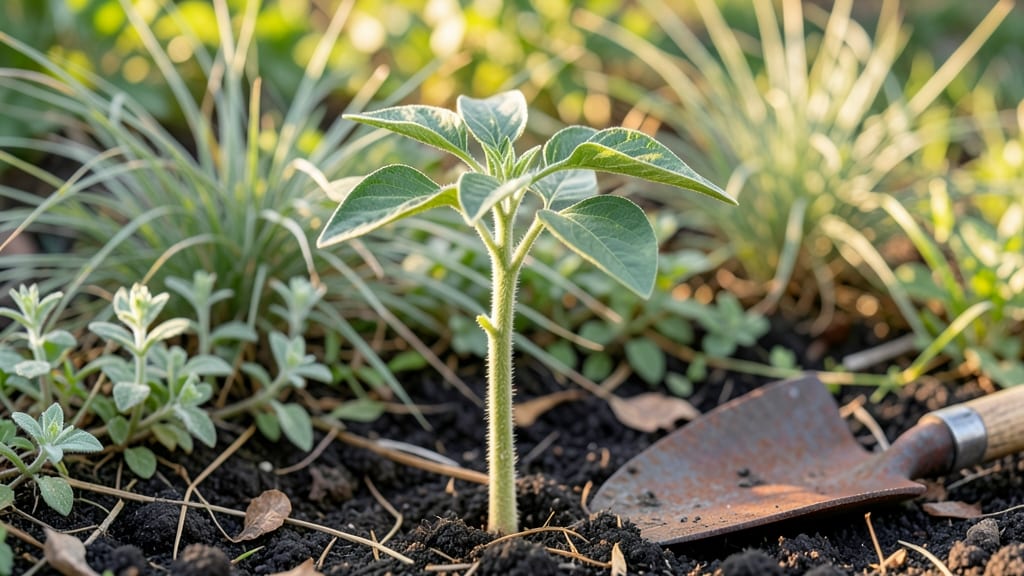
Mastering pepper seedling identification early ensures you transplant the right varieties into your garden beds—start with leaf shape. 🌱 Bell pepper seedlings boast broad, rounded leaves, while jalapeños and habaneros begin with narrower, serrated edges.
I once mixed up cayenne and bell pepper seedlings until I learned this trick—now I spot them within days of germination.
The stem color also gives away the heat level: bell peppers develop a sturdy, green stem that thickens quickly, while hot peppers like habaneros often have a slightly reddish or purple tint when young.
Pay attention to growth speed too—jalapeños and serranos grow faster than their milder cousins, which helps when you're juggling multiple trays.
Healthy seedlings have glossy, upright leaves and firm stems that don't wilt when touched. Diseased ones show yellowing, curling, or blackened spots—signs to pull and compost immediately. Proper identification means you'll transplant at the right time, giving each variety the space it needs to thrive.
This method works for all pepper varieties, from sweet bells to ghost peppers. Once you master these visual cues, you'll never second-guess your seedlings again. Here's how to apply it to your next batch!
Mistakes That Confuse Seedlings
Identifying pepper seedlings correctly starts with understanding why misidentification happens in the first place. Whether you're a seasoned gardener or a beginner, these common pitfalls can lead to mix-ups that impact your harvest. Let’s break down the science—and the solutions—behind the most frequent causes.
Pepper seedlings often produce cotyledons (the first two leaves) that look nothing like their mature foliage. These initial leaves are broad, rounded, and sometimes even resemble other plants like tomatoes or eggplants.
Why it happens:
- Cotyledons are non-photosynthetic in true sense—they store nutrients from the seed rather than perform photosynthesis like later leaves.
- Pepper varieties (e.g., Capsicum annuum, Capsicum frutescens) may take 2-4 weeks to develop true leaves, which are compound, serrated, or lobed, depending on the species.
- Actionable fix: Wait until the third set of leaves (true leaves) emerges before identifying. Use a seedling identification chart that compares cotyledons vs. true leaves for common peppers.
Extreme temperatures or inconsistent light can stunt growth and alter leaf shape, making seedlings look abnormal.
Why it happens:
- Cold stress (below 50°F/10°C) causes purpling in stems and leaves due to anthocyanin buildup (a plant stress response).
- Heat stress (above 90°F/32°C) leads to yellowing (chlorosis) or thickened, curled leaves from disrupted chlorophyll production.
- Insufficient light (below 12-14 hours/day) results in long, leggy stems and small, pale leaves—a condition called etiolation.
- Actionable fix:
- Maintain optimal temps (70-85°F/21-29°C day, 60-70°F/15-21°C night).
- Use grow lights (LED or fluorescent) for 14-16 hours/day if natural light is limited.
- Hardening off seedlings gradually (exposing them to outdoor conditions) prevents shock.
Fungal infections, viral diseases, or insect damage can mimic the symptoms of misidentified seedlings.
Why it happens:
- Damping-off fungus (Pythium or Rhizoctonia) causes stem rot and wilting, making seedlings look weak or dead before true identification is possible.
- Aphids or spider mites suck sap, leading to stunted growth, curled leaves, or white spots—symptoms that can be mistaken for nutrient deficiencies.
- Bacterial leaf spot (Xanthomonas) creates water-soaked lesions that distort leaf shape, especially in hot, humid conditions.
- Actionable fix:
- Prevent disease with sterilized soil (bake or solarize) and proper spacing (2-3" apart) for airflow.
- Inspect undersides of leaves for pests weekly. Use neem oil or insecticidal soap if needed.
- Quarantine new seedlings for 1-2 weeks to monitor for outbreaks.
If you’re growing multiple pepper varieties (or nearby plants like tomatoes), cross-pollination can produce seedlings with unpredictable traits.
Why it happens:
- Pepper flowers are self-pollinating, but bees, wind, or human interference can transfer pollen between varieties.
- Hybrid seeds (e.g., F1 crosses) may produce unexpected leaf shapes or colors in the next generation.
- Actionable fix:
- Isolate varieties by at least 50 feet or use row covers during flowering.
- Label seedlings immediately with variety names and dates.
- Save seeds only from open-pollinated (heirloom) peppers if you want consistent traits.
Young pepper seedlings can look deceptively similar to other plants (like basil or parsley) until they mature.
Why it happens:
- True pepper leaves are compound (3-7 leaflets) with serrated edges, while many weeds or herbs have simple, smooth leaves.
- Stem color varies: healthy peppers have green or reddish stems, but purple or black stems can indicate stress or disease.
- Actionable fix:
- Compare to a reference guide (e.g., Pepper Leaf Identification Chart).
- Check stem texture: Pepper stems are slightly hairy or smooth, while weeds often have rough or fuzzy stems.
- Dig up and examine roots—peppers have fibrous, white roots, while many weeds have thicker, woody roots.
Fixing Common Pepper Seedling Issues
Now that you’ve identified your pepper seedlings, it’s time to address any problems that might be holding them back. Whether your plants are leggy, stunted, or showing signs of disease, these practical solutions will help you turn things around before it’s too late.
Cause: Weak stems, pale leaves, and stretched-out growth happen when seedlings don’t get enough light or are crowded.
How to Fix It:
- 🔥 Move Them Closer to Light – Place seedlings under grow lights (12–16 hours/day) or near a sunny window. If using natural light, rotate trays daily for even growth.
- 🍳 Thin or Transplant – If seedlings are touching, carefully separate them into individual pots with fresh potting mix. Use a small spoon to loosen roots before replanting.
- 👨🍳 Fertilize Lightly – Once seedlings have two true leaves, use a diluted (half-strength) balanced fertilizer (like 5-5-5) to boost strength without burning them.
Prevention Tips: ✅ Use proper spacing – Sow seeds ¼ inch deep and 1–2 inches apart in trays. ✅ Start with good lighting – Avoid weak fluorescent bulbs; LED grow lights are ideal. ✅ Avoid overwatering – Keep soil moist but not soggy to prevent damping-off.
Cause: Poor nutrition, root issues, or overwatering can stunt growth and cause leaves to turn yellow or wilt.
How to Fix It:
- 🌡️ Check the Roots – Gently remove the seedling from its pot. If roots are mushy or black, it’s rotten—trim the bad parts and replant in fresh, sterile soil.
- 💡 Adjust Watering – Yellowing leaves from overwatering? Let the top inch of soil dry out between waterings. For underwatering, water deeply until it drains from the bottom.
- 🥗 Boost Nutrients – If leaves are pale green, add a chelated iron or magnesium supplement. For slow growth, switch to a higher-nitrogen fertilizer (like 10-5-5) for a few weeks.
Prevention Tips: ✅ Use well-draining soil – Mix in perlite or vermiculite to prevent compaction. ✅ Water at the base – Avoid wetting leaves to reduce disease risk. ✅ Monitor humidity – Use a small fan on low to improve airflow around seedlings.
Cause: Dark spots, mold, or wilting can signal damping-off, powdery mildew, or bacterial leaf spot—often from contaminated soil or excess moisture.
How to Fix It:
- 🔪 Remove Affected Seedlings – If a seedling is severely infected, pull it out and discard it (don’t compost it).
- 🧼 Sterilize Tools & Soil – Wash trays and tools with a 10% bleach solution (1 part bleach to 9 parts water). Repot healthy seedlings in fresh, sterile potting mix.
- 🌿 Apply Fungicide – Use a copper-based fungicide or neem oil spray (1 tsp neem oil + 1 tsp mild soap per quart of water) to prevent spread.
Prevention Tips: ✅ Start with sterile soil – Use seed-starting mix or pasteurize garden soil by baking it at 180°F (82°C) for 30 minutes. ✅ Space seedlings properly – Crowding traps moisture and encourages fungus. ✅ Avoid overhead watering – Water at the soil level to keep leaves dry.
Cause: Seedlings wilt or turn brown if exposed to extreme temperatures—either too hot (above 90°F/32°C) or too cold (below 50°F/10°C).
How to Fix It:
- 🏡 Move to a Stable Environment – Keep seedlings in a temperature-controlled space (ideal: 70–80°F/21–27°C during the day, 60–65°F/15–18°C at night).
- 🌬️ Provide Shade Cloth – If temperatures rise above 85°F (29°C), use shade cloth (30–50%) to filter direct sun.
- 🛋️ Use Heat Mats (If Needed) – For cold snaps, place a seedling heat mat underneath trays to maintain root warmth.
Prevention Tips: ✅ Hardening off gradually – Before transplanting, expose seedlings to outdoor conditions for 1–2 hours daily, increasing time over a week. ✅ Avoid drafts – Keep seedlings away from windows, doors, or vents that cause temperature swings. ✅ Monitor humidity – Use a humidifier or place trays on a bed of damp pebbles to maintain moisture in dry air.
Pro Tip: 🎯 When in doubt, observe! Healthy pepper seedlings should have:
- Sturdy stems (not floppy or brittle)
- Deep green leaves (not yellow, brown, or spotted)
- Strong roots (white or light tan, not black or mushy)
With these fixes, your seedlings will grow into robust, productive plants ready for transplanting. 🌿🔥
Frequently asked questions
How can I tell the difference between bell pepper and hot pepper seedlings?
Look at the leaf shape and stem color: bell peppers have broad, rounded leaves and sturdy green stems, while hot peppers like jalapeños show narrower, serrated leaves and may have reddish or purple stems. The true leaves (third set) are most reliable—bell pepper leaves are smoother, while hot peppers often have jagged edges.
Why do my pepper seedlings look like weeds?
Early seedlings (cotyledons) can resemble weeds or herbs, but true pepper leaves are compound with 3-7 serrated leaflets. Check the stem texture—peppers are slightly hairy or smooth, while weeds often have rough stems. Dig up and examine roots: peppers have fibrous white roots, not thick woody roots.
Can I identify pepper varieties from just the first leaves?
No—wait until the third set of true leaves emerges (around 2-4 weeks). Cotyledons look identical across varieties. Use a seedling chart comparing true leaves: bell peppers have rounded lobes, while hot peppers show more pronounced serrations. For hybrids, check the seed packet for specific traits.
What does a diseased pepper seedling look like?
Watch for yellowing, curling, or blackened spots on leaves (fungal issues), wilting stems (damping-off), or white webbing (spider mites). Purple stems indicate cold stress, while brown patches mean bacterial infection. Remove affected seedlings immediately and sterilize tools to prevent spread.
How do I label seedlings if they all look the same?
Use toothpicks with variety names tied to each pot, or take photos of each seedling with a labeled tray. Note growth speed—jalapeños and serranos grow faster than bells. For large batches, create a simple chart comparing leaf shapes and colors by variety before transplanting.