
Pests
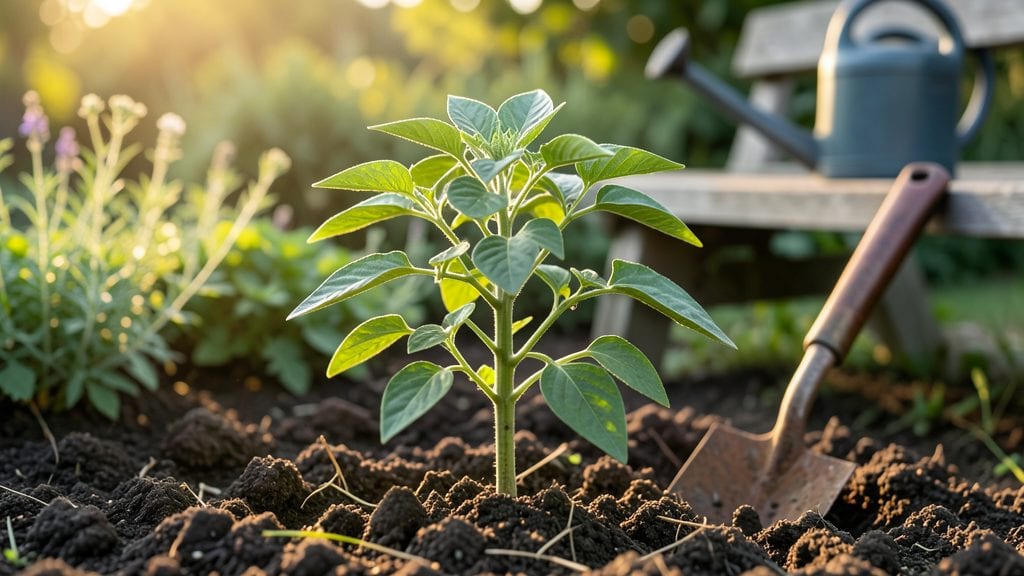
Pepper seedling leaves turning yellow or spotted? That first panic is real—until you spot the tiny culprits hiding underneath. I’ve nursed back dozens of seedlings from spider mites and aphids using just a spray bottle and some soapy water, and you can too without losing your plants.
The key is acting fast before the pests spread to the stems.
Most problems start with overwatering or poor airflow, giving pests the perfect hiding spot. Yellowing leaves often mean too much moisture, while sticky residue signals aphids. I learned the hard way that a quick inspection under the leaves saves weeks of frustration.
A simple neem oil spray or insecticidal soap does the heavy lifting when done right.
Within 3-5 days, you’ll see fresh green growth pushing out as the pests retreat. The seedlings stay sturdy, roots stay healthy, and you avoid the heartbreak of stunted plants. No fancy tools needed—just patience and a watchful eye. Let’s turn those sad little seedlings into thriving plants.
Works for bell peppers, jalapeños, and even heirloom varieties. The same steps fix nutrient issues too—just swap the spray for a balanced fertilizer. Your future harvest depends on this quick rescue.
Root Causes Behind Weak Seedling Leaves
Understanding why your pepper seedling leaves are struggling is the first step to saving them. 🌱 These issues often stem from environmental stressors, biological threats, or even human error. Below, we break down the most common culprits—and why they happen—so you can take targeted action.
Pepper seedlings thrive in well-draining soil, but too much water can drown their roots, leading to yellowing, wilting, or mushy leaves. Here’s why it happens:
- Poor Drainage: Containers without drainage holes or compacted soil trap excess moisture, suffocating roots and promoting fungal infections like Phytophthora or Pythium. - Oxygen Starvation: Roots need oxygen to absorb nutrients.
Soggy soil displaces air, weakening the plant’s ability to uptake water and minerals, causing nutrient deficiencies (e.g., nitrogen or potassium) that manifest as leaf discoloration. - Bacterial/Fungal Growth: Stagnant water creates the perfect breeding ground for pathogens, which break down cell walls in leaves, leading to spots, rot, or premature leaf drop.
Actionable Fix: Let the top 1–2 inches of soil dry out between waterings. Use a mix of 50% potting soil, 30% perlite, and 20% coconut coir for better aeration.
While overwatering is a common killer, underwatering can also trigger leaf distress in pepper seedlings. Here’s the science:
- Plasma Membrane Damage: When soil dries out completely, roots lose turgor pressure, and cell membranes rupture, causing leaves to curl, crisp, or fall off. - Nutrient Lockout: Dry soil binds nutrients tightly, making them inaccessible.
Seedlings may show chlorosis (yellowing) due to iron or magnesium deficiencies, even if the soil is fertile. - Transpiration Imbalance: Without enough water, leaves overheat and produce ethylene gas (a stress hormone) that accelerates leaf senescence (aging).
Actionable Fix: Water seedlings early in the day when evaporation is low. Use a moisture meter to aim for 40–60% soil moisture—never let it reach bone-dry levels.
Tiny pests like aphids, spider mites, or thrips don’t just nibble—they inject toxins and steal sap, causing leaves to:
- Yellow or brown at the edges (from aphid honeydew fermenting into sooty mold).
- Develop stippling (tiny white dots) or webbing (spider mites).
- Curl or distort (thrips feeding disrupts cell growth).
Why It Happens:
- Weak Seedlings Attract Pests: Stressed plants (from poor light or water) produce more sugars in leaves, making them a buffet for insects.
- Undisturbed Environments: Greenhouses or indoor setups with high humidity create ideal pest habitats.
- Windborne Spread: Outdoors, pests hitchhike on breezes or other plants.
Actionable Fix: Isolate affected seedlings and blast pests off with a strong spray of water. Apply neem oil (1 tsp per quart of water) or insecticidal soap every 3–5 days until pests vanish.
Pepper seedlings crave light—especially 12–16 hours daily—but inadequate sunlight triggers chlorosis (yellowing between veins) and weak growth. Here’s the breakdown:
- Chlorophyll Breakdown: Without enough blue and red light wavelengths, seedlings can’t produce chlorophyll, leading to pale or yellow leaves (even if soil nutrients are fine).
- Leggy Growth: Stretched, weak stems (from low light) reduce leaf surface area, limiting photosynthesis and causing stunted development.
- Nutrient Inefficiency: Plants in low light burn through stored energy faster, depleting reserves and causing leaf drop or necrosis (dead tissue).
Why It Happens:
- Indoor Limitations: Grow lights too far away (aim for 6–12 inches from seedlings) or incorrect spectrum (cool white bulbs lack red light).
- Outdoor Shade: Seedlings in partial shade (e.g., under trees) get filtered light, missing critical wavelengths.
- Overcrowding: Seedlings competing for light self-shade, leading to uneven growth and stressed lower leaves.
Actionable Fix: Supplement with a full-spectrum LED grow light (15W–20W per square foot) 12 inches above seedlings. Rotate trays daily for even growth.
Even the best soil can backfire if nutrients are unbalanced. Pepper seedlings need precise ratios of NPK (nitrogen, phosphorus, potassium) and micronutrients. Here’s what goes wrong:
| Symptom | Likely Cause | Why It Happens |
|---|---|---|
| Yellow lower leaves | Nitrogen deficiency | Nitrogen is mobile—plants sacrifice old leaves first to feed new growth. |
| Purple stems/leaves | Phosphorus deficiency | Phosphorus aids energy transfer; stress triggers anthocyanin (purple pigment). |
| Brown leaf edges | Potassium or calcium deficiency | Poor uptake weakens cell membranes, causing necrosis (burn-like damage). |
| Crinkled, small leaves | Magnesium or iron deficiency | Chlorophyll production stalls, leading to interveinal chlorosis. |
Why It Happens:
- Over-fertilizing: Too much salt (from synthetic fertilizers) blocks nutrient uptake, causing leaf burn (brown crispy edges).
- pH Imbalances: Soil too acidic (<5.5) or alkaline (>7.0) locks out key nutrients (e.g., iron at high pH).
- Cold Soil: Roots can’t absorb nutrients efficiently below 60°F (15°C), even in fertile soil.
Actionable Fix:
- Test soil pH (aim for 6.0–6.8 for peppers).
- Use balanced fertilizer (e.g., 10-10-10) diluted to half-strength for seedlings.
- Flush soil with water monthly to prevent salt buildup.
Quick fixes for pepper seedling leaf troubles
Revitalizing your pepper seedlings starts with identifying the root cause—whether it’s pests, disease, or environmental stress—and acting fast. Below are practical, step-by-step solutions tailored to common issues, plus prevention tips to keep your seedlings thriving. No green thumb required!
If tiny invaders like aphids, spider mites, or whiteflies are sucking the life out of your seedlings, act now before damage spreads.
🔥 Step 1: Isolate & Inspect
- Move seedlings to a shaded, sheltered area (like a garage or covered porch) to contain pests.
- Check leaves daily for sticky residue (aphids), fine webbing (spider mites), or white cottony patches (whiteflies).
🍳 Step 2: Natural Sprays (Safe & Effective)
Mix one of these in a spray bottle and apply early morning or late evening (avoid direct sun to prevent leaf burn): - Soap spray: 1 tbsp mild liquid soap (like Castile) + 1 quart water.
Shake well and spray undersides of leaves where pests hide. - Neem oil solution: 1 tsp neem oil + 1 tsp honey or dish soap + 1 quart water.
Stir and spray every 5–7 days until pests vanish. - Garlic spray: Blend 3 garlic cloves + 1 quart water, strain, and add 1 tsp soap. Pests hate the smell!
👨🍳 Step 3: Manual Removal (For Heavy Infestations)
- Aphids: Blast them off with a strong stream of water from a hose.
- Spider mites: Wipe leaves with a damp cloth or spray with water to dislodge them.
- Caterpillars/slugs: Pick them off by hand (wear gloves!) or set out beer traps (bury a shallow dish filled with beer near seedlings).
⏰ Step 4: Prevent Reinvasion
- Yellow sticky traps: Hang near seedlings to catch flying pests like whiteflies.
- Beneficial insects: Release ladybugs or lacewings (available at garden centers) to eat aphids naturally.
- Row covers: Use fine mesh fabric over seedlings to block pests while allowing sunlight.
💡 Pro Tip: Rotate treatments every 3–4 days to avoid pest resistance. If pests return, the issue might be overcrowding—thin seedlings to improve airflow!
Yellowing, wilting, or mushy leaves? Fungal diseases like damping-off or powdery mildew thrive in damp conditions.
🔥 Step 1: Remove Infected Leaves
- Snip off yellow, brown, or moldy leaves with sterilized scissors (wipe with rubbing alcohol).
- Dispose of clippings in a sealed bag—not the compost!
🥘 Step 2: Improve Airflow & Light
- Space seedlings 6–12 inches apart (check your seed packet for guidelines).
- Move to a sunnier spot (pepper seedlings need 6+ hours of sunlight daily).
- Use a fan on low speed (24/7) to reduce humidity around seedlings.
🔪 Step 3: Fungal Treatments
- Baking soda spray: Mix 1 tsp baking soda + 1 quart water + a few drops of soap.
Spray every 7–10 days. - Copper fungicide: Follow label instructions for organic copper-based sprays (e.g., Bonide Copper Fungicide). - Hydrogen peroxide: Mix 1 tbsp 3% hydrogen peroxide + 1 quart water. Spray leaves once a week (test on a small area first).
✨ Step 4: Prevent Future Outbreaks
- Water at the base (avoid wetting leaves) with a watering can that has a narrow spout.
- Sterilize tools: Clean pots, scissors, and trays with bleach solution (1:10 ratio) or rubbing alcohol before reuse.
- Rotate crops: If replanting in the same spot, wait 3–4 years before growing peppers again.
💡 Pro Tip: Damping-off (a fungal disease causing seedlings to collapse) is often caused by overwatering. Let the top inch of soil dry out between waterings!
Wilting, curled, or crispy leaves? Your seedlings might be overwatered, underwatered, or struggling with temperature shocks.
💧 Watering Woes? Find the Sweet Spot
| Issue | Fix | Prevention |
|---|---|---|
| Yellow lower leaves | Reduce watering; check if pot has drainage holes. | Water only when top inch of soil is dry. |
| Wilting (soft stems) | Overwatered! Let soil dry out; repot if roots are rotten. | Use well-draining soil (add perlite). |
| Brown, crispy edges | Underwatered or low humidity. Water deeply and add a humidity tray. | Group seedlings together to retain moisture. |
☀️ Temperature & Light Fixes
- Too hot? Move seedlings to a shadier spot (direct sun can scorch leaves).
- Too cold? Keep them above 55°F (13°C) at night.
Use a heat mat if needed. - Leggy seedlings? They’re stretching for light. Move closer to a window or use a grow light 2–3 inches above them for 14–16 hours/day.
💡 Pro Tip: Hardening off (acclimating seedlings to outdoor conditions) prevents shock. Start by placing them outside for 1–2 hours/day, gradually increasing time over 7–10 days.
Before calling it a day, run through this quick health audit: ✅ Leaves: No holes, spots, or discoloration. ✅ Stems: Firm, not mushy or hollow. ✅ Soil: Dry to the touch (1–2 inches down). ✅ Pests: None visible (check undersides!). ✅ Light: Bright but not scorching.
🌿 Prevention is easier than curing! With these fixes, your pepper seedlings will bounce back—and you’ll be harvesting juicy peppers in no time. 🌶️🔥
Frequently asked questions about pepper seedling leaves
Why are my pepper seedling leaves turning yellow?
Yellowing leaves usually signal overwatering or nutrient deficiencies. Check if the soil stays soggy—pepper seedlings need well-draining soil. If the yellowing starts on lower leaves, it may indicate a nitrogen deficiency. Test soil moisture and adjust watering to let the top 1–2 inches dry out between waterings.
What do tiny white dots on my pepper seedling leaves mean?
Those white dots are likely spider mite damage or stippling from thrips. Spider mites thrive in dry, dusty conditions, while thrips spread rapidly in greenhouses. Treat immediately with a neem oil spray (1 tsp per quart of water) or insecticidal soap. Isolate affected seedlings to prevent spread.
Can I prune damaged leaves from my pepper seedlings?
Yes, but only remove severely damaged or diseased leaves with clean, sterilized scissors. Avoid over-pruning—seedlings need all their leaves for photosynthesis. Focus on removing spotted, curled, or wilted leaves to prevent fungal spread. Dispose of clippings in a sealed bag, not compost.
How often should I fertilize pepper seedlings?
Wait until seedlings have 2–3 true leaves before fertilizing. Use a balanced fertilizer (10-10-10) diluted to half-strength every 3–4 weeks. Over-fertilizing burns tender roots. For organic options, try compost tea or fish emulsion. Always water thoroughly after applying fertilizer.
Are my pepper seedling leaves curling from too much sun?
Curling leaves often mean heat stress or underwatering. Move seedlings to partial shade if leaves feel crispy to the touch. Water deeply at the base and increase humidity with a tray of pebbles and water. Pepper seedlings need 6+ hours of sunlight daily, but direct midday sun can scorch them.