
Vegetables
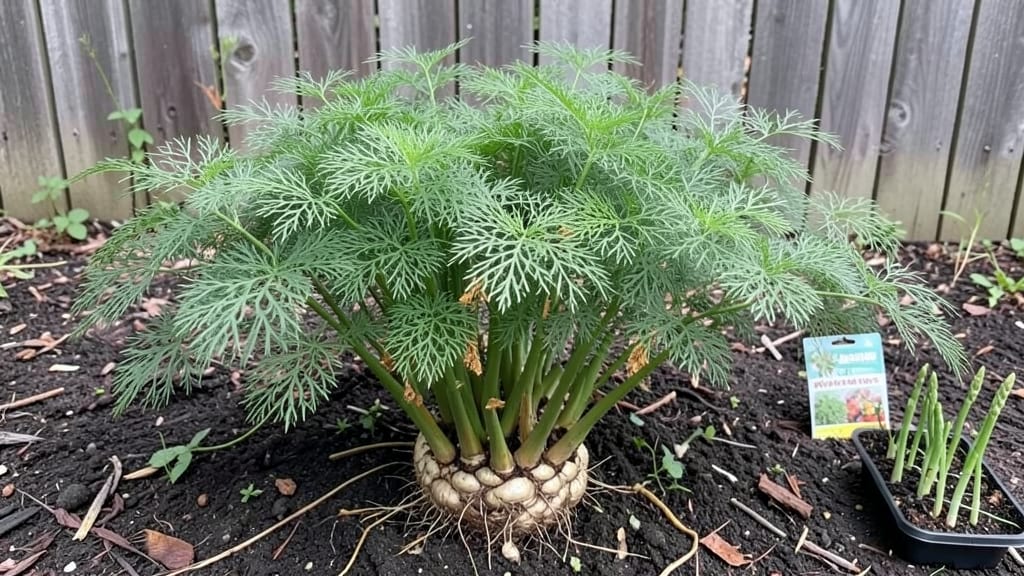
Planting perennial vegetable seeds changes everything—no more annual replanting, just years of harvests with almost no extra work. 🌱 I remember the first time I dug up asparagus crowns that had been growing wild in my neighbor’s yard, and how those same plants fed us for a decade with barely any care.
The secret isn’t complicated: these plants thrive when you treat them right the first time, then let them do their thing.
You’ll need patience upfront—some perennials take 2-3 years to fully establish—but once they do, they outperform annuals every time. Asparagus, rhubarb, and artichokes top the list for beginners because they’re hardy, productive, and forgiving.
The soil prep is key: loose, well-draining, and rich in organic matter makes all the difference. After that, it’s mostly watering and weeding for the first year, then just harvesting.
Imagine fresh asparagus spears in spring, rhubarb stalks by early summer, and artichokes by midsummer—all from the same patch year after year. These plants don’t just survive; they multiply and reward you with decades of harvests.
The best part? No tilling, no replanting, just consistent yields with minimal effort after the initial setup.
Perfect for gardeners who want to cut down on work but still enjoy a bountiful harvest. Whether you’re in a cold climate or a warm one, there’s a perennial vegetable that will thrive in your zone.
Let’s get those seeds in the ground and start building a garden that keeps giving.
📚 In This Guide
- What you need
- Instructions
- Tips and common mistakes
- Wrapping up and next steps
What you need
- ● Perennial vegetable seeds – Choose from varieties like asparagus, rhubarb, artichokes, or walking onions (check seed packets for specific planting zones).
- ● Well-draining soil – Aim for a mix of compost (50%), topsoil (30%), and perlite/sand (20%) for optimal growth.
- ● Garden space – A sunny spot (6+ hours of sunlight daily) with at least 3–4 feet of width for mature plants.
- ● Organic mulch – Straw, wood chips, or shredded leaves (2–3 inches thick) to retain moisture and suppress weeds.
- ● Hand trowel or transplanting spade – For digging small holes (2–3 inches deep).
- ○ Garden fork or broadfork – To loosen soil without disturbing roots (optional but helpful for heavy clay).
- ● Watering can or drip irrigation – Gentle watering is key for young seedlings (aim for 1–1.5 inches per week).
- ● Pruners or shears – For trimming dead foliage or harvesting (sterilize blades with rubbing alcohol).
- ● Patience! – Most perennials take 1–3 years to establish before full harvests (e.g., asparagus crowns need 2–3 years).
- ○ Soil test kit (optional) – Check pH levels (ideal: 6.0–7.0 for most perennials). Adjust with lime or sulfur if needed.
- ● Seasonal timing – Plant seeds or transplants in early spring (after last frost) or fall (for mild climates).
How to plant and maintain perennial vegetable seeds for sustainable yields
These hardy plants reward patience with years of harvests—here’s how to set them up right.
🌱 Step 1: Choose the Right Perennial Varieties for Your Climate
Start with cold-hardy perennials like asparagus, rhubarb, or walking onion—these thrive in zones 3-9 with minimal winter protection. Check your USDA hardiness zone first; some varieties, like artichokes, need zone 7+ to survive. I always cross-reference seed packets with my local frost dates to avoid planting too early or late.
Asparagus crowns, for example, take 2-3 years to establish before harvest, so plan ahead. Rhubarb, on the other hand, produces edible stalks within 1-2 years and spreads aggressively—perfect for filling garden edges. Skimping on research here leads to wasted effort, so dig into regional growing guides.
🪴 Step 2: Prepare Beds With Amended Soil for Long-Term Growth
Perennial vegetables demand well-draining, nutrient-rich soil—amend your beds with 3-4 inches of compost mixed into the top 12 inches of soil. I use a broadfork to loosen compacted layers without disturbing the ecosystem. For asparagus, add bone meal (1 cup per plant) at planting for phosphorus—it fuels root development over years.
Test soil pH before planting; most perennials prefer 6.0-7.0. If your soil is heavy clay, blend in sand or perlite to improve aeration. Avoid fresh manure—it burns tender roots and attracts pests. The goal is a loose, crumbly texture that holds moisture but doesn’t suffocate roots.
☀️ Step 3: Plant Crowns and Seeds at Correct Depths and Spacings
Asparagus crowns go 6-8 inches deep, with 18 inches between plants—crowding stunts yields. Rhubarb crowns need 3 feet of space to prevent disease spread. For seeds like walking onion, scatter them ¼ inch deep in rows 12 inches apart; they self-sow prolifically, so thin seedlings to 6 inches apart once established.
Water deeply after planting to settle soil around roots. Mulch with 2-3 inches of straw to retain moisture and suppress weeds—critical for perennials that live 5+ years. Avoid mulching too early; let soil warm in spring to encourage root growth.
💧 Step 4: Water and Fertilize for Established Root Systems
First-year plants need 1-2 inches of water weekly, but mature perennials are drought-tolerant once established. I water deeply every 10-14 days in summer, focusing on the root zone. Overhead watering wastes resources—use drip irrigation or soaker hoses instead.
Fertilize lightly in spring with balanced 10-10-10 (½ cup per plant). Perennials hate rich soil—too much nitrogen leads to leafy growth at harvest time’s expense. Asparagus benefits from potassium-rich fertilizer in year 3 to boost spear production. Always water after fertilizing to prevent root burn.
✂️ Step 5: Prune and Divide to Maintain Productivity
Rhubarb and asparagus need annual pruning to prevent overcrowding. Cut asparagus spears at ground level after harvest, leaving 3-4 inches of fern to feed roots. In fall, trim dead fronds but leave 6 inches for winter protection. Rhubarb stalks should be cut 2 inches above ground—never harvest the first year.
Divide clumps every 4-5 years in early spring. Dig up crowded crowns, separate into 3-4 inch sections, and replant. This rejuvenates plants and gives you free starts for friends or new beds. The key is timing: divide after harvest but before new growth begins.
Tips & tricks for perfect perennial vegetable planting
These hardy plants thrive with the right approach—here’s how to maximize your long-term harvests without the guesswork.
Climate Research is Non-Negotiable: Don’t skip the USDA zone check! I’ve seen gardeners plant artichokes in zone 5 and watch them freeze back to the ground. Cross-reference seed packets with your last frost date—planting asparagus too early can stunt its 2-3 year establishment period. For walking onion seeds, wait until soil reaches 50°F to prevent rot. A quick call to your local cooperative extension office can save months of frustration.
Soil Prep Makes All the Difference: The 3-4 inches of compost mixed into 12 inches of soil isn’t just about nutrients—it’s about creating the right texture. Use a broadfork to loosen compacted layers without breaking up soil structure. For asparagus, that 1 cup of bone meal per plant is worth every penny—it jumpstarts root development that pays off in years 3-5. And if your soil tests below 6.0 pH, lime it before planting; acidic soil locks out essential nutrients.
Planting Depth and Spacing Secrets: Asparagus crowns buried 6-8 inches deep might seem counterintuitive, but this protects them from temperature swings. The 18-inch spacing isn’t just about yield—it prevents fungal diseases that thrive in crowded beds. For walking onion seeds, that ¼-inch depth is critical; deeper planting leads to weak, leggy plants. And remember: mulch with 2-3 inches of straw only after soil warms—cold mulch delays root establishment.
Long-Term Care Wins the Harvest: That first-year 1-2 inches of water weekly sets the stage for drought tolerance later. Once established, switch to deep watering every 10-14 days—shallow watering encourages shallow roots. And when you fertilize with ½ cup of 10-10-10, water it in immediately to prevent salt burn. I’ve seen gardens where over-fertilizing turned asparagus into leafy monsters instead of spear producers—less is more with perennials.
Pro Tips for Perennial Vegetable Seeds
- These hardy plants thrive with the right approach—here’s how to maximize your long-term harvests without the guesswork.
- Climate Research is Non-Negotiable: Don’t skip the USDA zone check!
- Soil Prep Makes All the Difference: The 3-4 inches of compost mixed into 12 inches of soil isn’t just about nutrients—it’s about creating the right texture.
Frequently asked questions
Got questions about perennial vegetable seeds?
You’re not alone! Here are some of the most common queries—plus straightforward answers to help you grow with confidence.
What’s the easiest perennial vegetable to grow from seed for beginners?
Start with asparagus or rhubarb—both are hardy, low-maintenance, and reward patience with years of harvests. Good King Henry (a leafy green) is another great beginner pick. These plants establish slowly but thrive with minimal effort once rooted!
How long does it take for perennial veggie seeds to produce edible harvests?
Most perennial vegetables have a long wait time—often 2–3 years for asparagus, rhubarb, or artichokes before full harvests. Strawberries and sunchokes (Jerusalem artichokes) may yield sooner (1–2 years), but plan ahead for the best rewards!
Can I grow perennial vegetables in cold climates?
Many perennials, like kale, sorrel, and sea kale, thrive in USDA Zones 3–5. Hardy varieties such as asparagus and rhubarb tolerate frost, while strawberries benefit from winter mulch. Just choose cold-resistant species and protect young plants in harsh winters.
What if my perennial seeds don’t sprout? Troubleshooting tips?
Try these fixes:
- Check moisture: Keep soil consistently damp (not soggy) during germination.
- Test seed viability: Soak seeds overnight—if they sink, they’re likely good.
- Adjust temperature: Some seeds (like sunchokes) need warmth; others (asparagus) prefer cooler soil.
- Scratch the seed coat: Lightly nick hard-coated seeds (e.g., good king henry) to encourage sprouting.
Are there any perennial veggies that don’t require seeds?
Yes! Many perennials spread via division or crowns. For example:
- Rhubarb and asparagus can be planted as bare-root crowns.
- Strawberries and sunchokes multiply from runners or tubers.
- Sea kale and walking onions regrow from cuttings.
Wrapping up and next steps
Growing perennial vegetable seeds is a game-changer for busy gardeners—imagine year-round harvests with minimal effort! These resilient plants not only reduce annual replanting but also boost sustainability and flavor.
Whether you’re a seasoned gardener or just starting, now’s the perfect time to plant, nurture, and enjoy the rewards of low-maintenance, high-yield perennials.
Ready to transform your garden? Start small—pick 2-3 hardy perennials like asparagus, rhubarb, or walking onions, and watch your effort pay off for years to come. Happy planting! 🌱✨