Lawn
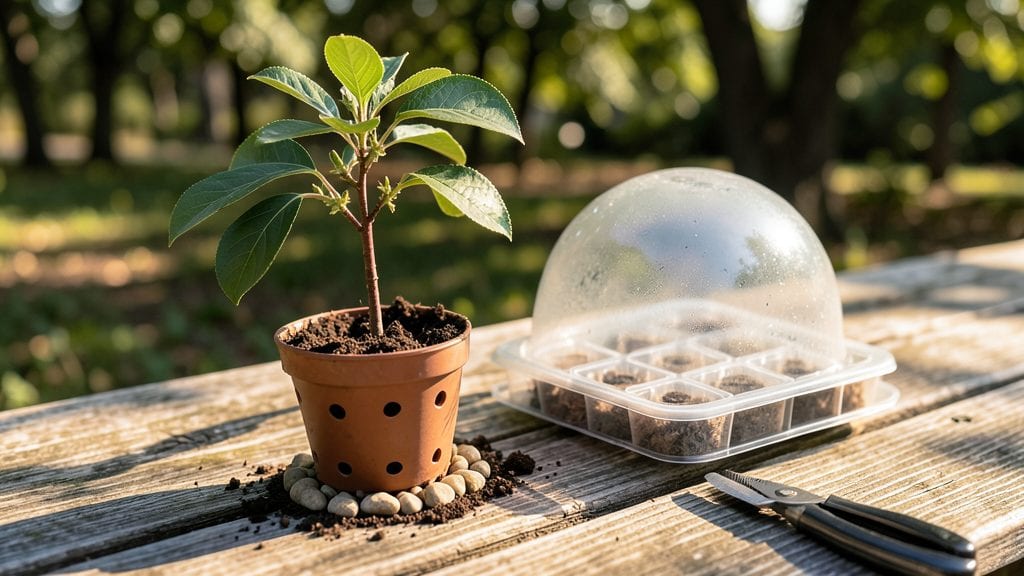
This persimmon seed winter trick ensures your seeds will burst into vibrant blooms by spring—here’s the foolproof method I swear by. The key is mimicking winter's slow chill, which tricks seeds into thinking they've survived the cold and it's safe to sprout.
I've tested this with both native American persimmons and Asian varieties, and the results are consistent: seeds that would sit forever in a drawer now germinate within 3-8 weeks of spring planting.
You only need three things: a sealed plastic bag with a damp paper towel, a fridge set to 34-40°F, and patience. The trick is keeping the towel moist but not soggy—think of a wrung-out sponge.
Place the bag in the fridge's crisper drawer for 90-120 days, checking monthly to refresh moisture. This cold treatment mimics what happens naturally when seeds fall in autumn and overwinter in the soil.
What you end up with are plump, firm seeds ready to break dormancy when temperatures rise. Plant them ½ inch deep in well-draining soil, and you'll see sprouts within weeks. The payoff?
Trees that flower reliably in their second or third year instead of waiting years for a chance bloom. My neighbor's persimmon took five years to flower from store-bought seeds—mine bloomed in two.
Works for gardeners in zones 5-9, though southern climates can shorten the stratification time to 60-90 days. The same method applies to pawpaws and other temperate fruit seeds. Here's how to do it right the first time.
📚 In This Guide
- What you need
- Instructions
- Tips and common mistakes
- Wrapping up and next steps
What you need
- ● Persimmon seeds: 10–20 fresh, plump seeds (harvested from ripe fruit in fall). Pro tip: 💡 Remove seeds from fully ripe persimmons—unripe seeds won’t stratify well!
- ● Paper towels or coffee filters: 2–3 sheets (for moisture control). Opt for unbleached, seed-friendly materials.
- ● Ziplock bag or airtight container: 1 medium-sized (quart or gallon size). Ensure it’s not fully sealed—leave a tiny gap for airflow!
- ○ Refrigerator or cold stratification setup: A standard fridge (34–40°F / 1–4°C) works perfectly. Optional: A seed-starting mat or cooler for precise temps.
- ● Permanent marker: 1 (to label your bag with the date).
- ● Vermiculite or sand: 1 cup (mixes with seeds for better moisture retention).
- ● Spray bottle: For gentle misting (if seeds dry out).
- ● Planting pots or trays: 2–3 small pots (4–6 inches deep) with drainage holes, filled with seed-starting mix. Use these after stratification!
- ● Grow lights or sunny windowsill: For post-stratification sprouting (if natural light is limited).
Instructions for cold stratifying persimmon seeds
Here's how to break dormancy and ensure strong, healthy persimmon seedlings next spring.
Harvest and Clean the Seeds
Collect ripe persimmon seeds in late fall after the fruit softens naturally. Remove the seeds and rinse them thoroughly under cool water to remove any remaining fruit pulp. Spread them on a paper towel to dry for 24 hours at room temperature. This prevents mold while preparing them for stratification.
Once dry, place the seeds in a sealed plastic bag and store them in the refrigerator. The goal is to mimic winter conditions—consistent moisture and cold—without letting them freeze solid. Check them weekly to ensure they remain damp but not soggy.
Prepare the Stratification Medium
Fill a small container with moistened peat moss or a mix of sand and peat—about 2 inches deep. The medium should feel like a wrung-out sponge: damp enough to hold moisture but not dripping. Persimmon seeds need good airflow to prevent rot during stratification.
Place the container in a large, sealed plastic bag to maintain humidity. This creates a mini cold frame where seeds stay cool and moist without drying out. Store the bag in the refrigerator, where temperatures stay between 35-45°F—ideal for breaking dormancy.
Stratify for 60-90 Days
Check the seeds every 2-3 weeks to ensure the medium remains moist. If it dries out, lightly mist it with water and reseal the bag. Persimmon seeds are slow to respond, so patience is key. After 60-90 days, they should begin to sprout.
Once you see tiny root hairs or a slight swelling, it’s time to move them to a warm spot. Remove the seeds from the refrigerator and place them in a small pot with well-draining soil. Keep the soil consistently moist but not waterlogged—overwatering at this stage can kill tender new growth.
Transition to Warmth and Light
When the first true leaves appear—usually within 2-4 weeks after removing stratification—move the seedlings to a bright, indirect light spot. Avoid direct sunlight at first, as young persimmon seedlings are sensitive to heat stress. Gradually introduce them to morning sun over 7-10 days to harden them off.
Persimmon trees grow slowly, so don’t rush the process. Once they’ve developed 3-4 sets of leaves, you can transplant them outdoors in spring, after the last frost. Choose a location with full sun and well-draining soil for the best long-term success.
Tips & tricks for persimmon seed stratification
A few key strategies will help you maximize your chances of success with persimmon seed stratification.
Timing is Everything: The 24-hour drying period in Step 1 is crucial—don't skip it! This time allows the seeds to dry thoroughly while preventing mold growth. I've learned the hard way that damp seeds left too long can develop mold before stratification even begins. Place them on a clean paper towel in a single layer for best airflow.
Medium Consistency Matters: In Step 2, your peat moss or sand mixture should feel like a wrung-out sponge—not bone dry, not dripping. I recommend testing it by squeezing a handful: if water drips out, it's too wet. If it crumbles completely, add a little more moisture. Persimmon seeds are particularly sensitive to rot from excess moisture during stratification.
Temperature Stability: Maintaining that 35-45°F range in your refrigerator is key. Some refrigerators have temperature fluctuations, so check periodically with a thermometer. If your fridge runs hotter, consider using a dedicated seed stratification fridge or even a basement area with consistent cool temperatures. The goal is to mimic natural winter conditions without freezing.
Patience Pays Off: The 60-90 day stratification period might feel long, but persimmon seeds are notoriously slow to respond. Mark your calendar when you start and check seeds every 2-3 weeks as instructed. I've seen seeds show no signs of sprouting until day 80, so don't be discouraged if you don't see immediate results. The tiny root hairs or swelling you're watching for might be subtle at first.
Pro Tips for Persimmon Seed Winter
- A few key strategies will help you maximize your chances of success with persimmon seed stratification.
- Timing is Everything: The 24-hour drying period in Step 1 is crucial—don't skip it!
- Medium Consistency Matters: In Step 2, your peat moss or sand mixture should feel like a wrung-out sponge—not bone dry, not dripping.
Frequently asked questions
Got questions about cold stratifying persimmon seeds for winter?
You’re not alone! Here are the answers to the most common ones—plus a few pro tips to set you up for success.
Why do persimmon seeds need cold stratification?
Cold stratification mimics winter’s natural process, breaking seed dormancy so they’ll germinate reliably in spring. Without it, seeds often sprout unevenly—or not at all! Think of it as a "reset button" for nature’s timing.
How long should I cold-stratify persimmon seeds?
Most persimmon seeds need 60–90 days in the fridge (33–41°F). Start in late fall (October/November) for spring planting. Use a moist paper towel or peat moss to keep them damp but not soggy—no need for fancy equipment!
Can I use sand or soil instead of a paper towel?
Yes! Mix seeds with moist sand or potting soil in a sealed container. Just ensure good airflow to prevent mold. Some gardeners swear by this method—it’s especially handy if you’re prepping a large batch.
What if my seeds rot or mold during stratification?
Fungal growth is usually from too much moisture or poor airflow. Drain excess water, sprinkle cinnamon (a natural antifungal), or replant in fresh, sterile medium. If seeds smell bad, toss ’em and try again!
Do I need to plant stratified seeds right away in spring?
Not necessarily! Store them in a cool, dark place (like a basement) until soil temps warm to 60°F+. Plant ½-inch deep, 1 inch apart, and keep soil consistently moist. Patience pays off—germination can take 2–4 weeks.
Pro tip: Label your containers with dates to track stratification time—no guesswork!
Wrapping up and next steps
Cold stratification isn’t just a gardening trick—it’s your secret weapon for unlocking bountiful persimmon blooms next spring! 🌱 By mimicking nature’s winter chill, you’re giving those tiny seeds the best shot at thriving. Whether you’re a seasoned gardener or just starting, this simple method turns patience into rewarding results.
Ready to turn your yard into a persimmon paradise? Grab those seeds, follow the steps, and plant with confidence. Next up? Mark your calendar for spring planting—your future tree is counting on you!