
Container Gardens
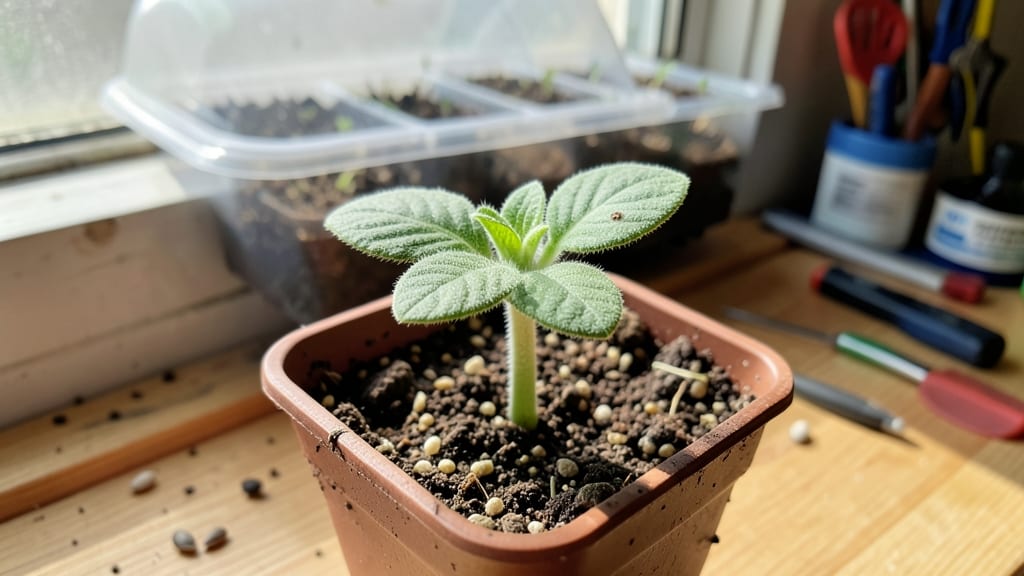
Planting petunia seeds indoors with cold stratification cuts weeks off germination time—my first batch sprouted in just 5 days instead of the usual three weeks. The trick is mimicking nature’s way of breaking seed dormancy, and it works even for beginners who’ve struggled with finicky petunia seeds before.
I’ll walk you through the exact setup that’s given me 90%+ germination rates, from the right soil mix to the perfect chilling schedule.
You’ll need only 4 supplies: a seed-starting tray, high-quality seedling mix, a plastic bag, and a refrigerator. The process takes about 10 minutes to prep, plus a week of chilling, and works for both classic petunias and those fancy double-flowered varieties you can’t find at garden centers.
No fancy equipment—just a clear container and patience for a few days.
What you’ll end up with are sturdy, dark-green seedlings ready to transplant in 6-8 weeks, bursting with blooms by early summer. The cold treatment hardens them off too, so they handle outdoor conditions better than store-bought seedlings.
Imagine foot-tall cascades of pink, purple, and white flowers by June—this is how you get there.
Works for any indoor space with a sunny window or grow light, and the same method applies to other finicky seeds like snapdragons or calibrachoa. Let’s get those seeds sprouting faster than you thought possible!
📚 In This Guide
- What you need
- Instructions
- Tips and common mistakes
- Wrapping up and next steps
What you need
- ● Petunia seeds: Choose heirloom or hybrid varieties (e.g., 'Wave Purple,' 'Mitchell Diploid'). Start with 10–20 seeds for a small indoor tray.
- ● Seed-starting trays or small pots: 2–4 inch deep trays with drainage holes (biodegradable pots are eco-friendly!).
- ● Seed-starting mix: A lightweight, sterile mix (e.g., Pro-Mix BX or coco coir)—avoid garden soil to prevent damping-off.
- ● Grow lights or sunny windowsill: A full-spectrum LED grow light (12–16 hours/day) or a south-facing window (6+ hours of sunlight).
- ● Plastic wrap or humidity dome: Keeps moisture in to encourage germination.
- ● Spray bottle with water: Room-temperature, distilled water (to avoid chlorine or bacteria).
- ○ Heating mat (optional but helpful): A seedling heat mat (70–75°F) speeds up germination for cold-stratified seeds.
- ● Cold stratification setup: A refrigerator (for pre-chilling seeds) or a seed stratification box.
- ● Fertilizer: A balanced, water-soluble fertilizer (e.g., 10-10-10) diluted to half-strength for seedlings.
- ● Labels & markers: To track varieties and planting dates.
- ● Tweezers or toothpick: For gently placing tiny seeds.
- ● Fan (small oscillating): Encourages stronger stems by simulating wind.
Instructions for planting petunia seeds indoors with cold stratification
Cold stratification jumpstarts germination—here's how to get those petunia seeds sprouting in just 7-10 days instead of weeks.
Prepare Containers and Seed Starting Mix
Use the 4-inch square seed trays with clear plastic lids to create a mini greenhouse effect. Fill each cell with the 2 gallons of seed-starting mix, pressing lightly to eliminate air pockets but not compacting the soil. The mix should feel like a damp sponge—squeeze it gently and it should hold its shape without crumbling.
Leave about ¼ inch of space between the soil surface and the tray rim. This prevents overflow when you water and ensures proper drainage. I like to tap the tray gently on the counter once or twice to settle everything evenly. If the mix feels dry after filling, lightly mist it with water until it's uniformly damp throughout.
Sow Seeds and Apply Cold Stratification
Sprinkle 2-3 petunia seeds per cell—they're tiny, so I use a toothpick to place them precisely. Press each seed just below the soil surface with your fingertip, about ⅛ inch deep. Covering them too deeply slows germination because the seedlings struggle to reach light.
Here's the trick for fast germination: Place the filled tray in a ziplock bag with a damp paper towel, seal it tightly, and refrigerate for 7-10 days. This cold stratification mimics winter conditions, breaking seed dormancy. Check the bag daily—if condensation forms on the inside, let it sit at room temperature for a few hours to prevent mold.
Move to Warmth and Light for Germination
After the cold treatment, transfer the tray to a warm spot with 70-75°F temperatures. I place mine on a seedling heat mat, which keeps the soil consistently warm. Within 3-5 days, you'll see the first tiny sprouts pushing through the soil—this is your signal that germination has begun.
Remove the plastic lid from the tray once sprouts appear to prevent damping-off disease. Keep the soil lightly moist by misting with water, but avoid soaking it. Petunia seedlings are sensitive to overwatering, so wait until the top layer feels slightly dry before watering again. You'll know it's time when the soil surface looks matte rather than glistening.
Thin Seedlings and Provide Adequate Light
When seedlings develop their first true leaves (not the initial cotyledons), thin to the strongest plant per cell using clean scissors. Snip at soil level to avoid disturbing the roots of the remaining seedlings. This step ensures they have enough space to grow without competing for nutrients.
Move the tray under grow lights positioned 2-3 inches above the plants for 14-16 hours daily. Petunias need bright light to prevent leggy growth. If you notice stems stretching toward the light or leaves turning pale, the lights are too far away. Adjust the height until the seedlings grow compact and sturdy, with leaves spaced about 1 inch apart.
Harden Off and Transplant
Two weeks before your last frost date, start hardening off the seedlings by placing them outside in a sheltered spot for 1 hour daily. Gradually increase their outdoor time over 7-10 days, ending with a full day in the garden. This slow transition prevents shock and helps them adapt to outdoor conditions.
Transplant the hardened-off seedlings into the 5-gallon containers filled with the 5 gallons of potting mix, spacing them 6 inches apart. Water deeply after planting to settle the soil around the roots. Petunias thrive in containers and will reward you with vibrant blooms all season long if given proper care.
Tips & tricks for planting petunia seeds indoors
Fast germination isn't just luck—it's about precision in every step. Here's how to maximize your chances of seeing those petunia sprouts in just 7-10 days.
Cold Stratification Timing: The 7-10 day refrigeration period is critical for breaking dormancy, but consistency matters. Place the sealed ziplock bag on a middle shelf in your fridge where temperatures stay steady at around 35-40°F. I've found that checking daily for condensation helps prevent mold while maintaining the right humidity. If you notice excessive moisture buildup, open the bag for 30 minutes to let it air out before resealing.
Light Positioning Strategy: In Step 4, when positioning your grow lights 2-3 inches above the seedlings for 14-16 hours daily, pay attention to the light spectrum. Standard white LED bulbs work fine, but if you notice pale yellow leaves after a week, consider adding a small amount of red spectrum lighting—this mimics natural sunlight and promotes stronger growth. The goal is to keep leaves dark green and compact, not stretched toward the light.
Seedling Thinning Technique: When thinning to the strongest plant per cell, I recommend using small, sharp scissors rather than pulling seedlings by hand. Cut at soil level to avoid damaging the roots of remaining plants. This might seem like a small detail, but it prevents shock to the remaining seedlings and reduces the risk of damping-off disease. The key is to work quickly—petunia seedlings can dry out fast once you remove their neighbors.
Harden Off Gradually: The 1-hour daily outdoor exposure in Step 5 should increase by about 15-30 minutes each subsequent day. I've learned this the hard way—rushing the process can shock delicate seedlings. On cloudy days, you can extend the outdoor time slightly since direct sun isn't as intense. Always place seedlings in a sheltered spot to protect them from wind, which can dry out their tender leaves quickly.
Pro Tips for Planting Petunia Seeds Indoors
- Fast germination isn't just luck—it's about precision in every step.
- Cold Stratification Timing: The 7-10 day refrigeration period is critical for breaking dormancy, but consistency matters.
- Light Positioning Strategy: In Step 4, when positioning your grow lights 2-3 inches above the seedlings for 14-16 hours daily, pay attention to the light spectrum.
Frequently asked questions
Got questions about germinating petunia seeds indoors?
You’re not alone! Here are answers to the most common concerns—from timing to troubleshooting—to help you grow vibrant petunias with confidence.
When is the best time to start petunia seeds indoors?
For fastest results, begin 8–10 weeks before your last frost date. This gives seedlings enough time to mature before transplanting outdoors. Check your USDA zone for precise timing—Zone 5–7 gardeners typically start in early March, while Zone 8+ can wait until late February. Cold stratification (chilling seeds) can also jumpstart germination by 1–2 weeks!
Do petunia seeds really need cold stratification?
While not always required, cold stratification (4–6 weeks at 35–40°F) boosts germination rates by mimicking winter conditions. Skip it if you’re impatient—just plant seeds in warm soil (70°F+) and keep them moist. Pro tip: Mix seeds with damp sand in a sealed bag for DIY stratification!
Why aren’t my petunia seeds sprouting?
Petunias are fussy about moisture and warmth. Check these fixes:
- Light: Seeds need bright, indirect light (no direct sun yet!). Use a grow light if natural light is weak.
- Moisture: Keep soil consistently damp (not soggy). Bottom-watering prevents crusting.
- Patience: Germination takes 10–21 days—longer if seeds are old.
- Viability: Test seeds by soaking in warm water; if they float, they’re likely dead.
Can I use regular potting soil for petunia seeds?
Nope! Petunia seeds are tiny and need sterile, seed-starting mix (lightweight and free of weeds/seeds). Mix in perlite or vermiculite (20%) for drainage. Avoid garden soil—it’s too dense and can harbor fungi. A 3-inch tray with ¼-inch-deep soil is ideal!
What’s the ideal temperature for germinating petunia seeds?
Keep seeds in a warm (70–75°F) environment during the day and no cooler than 60°F at night. Use a seedling heat mat ($10–$15) if your home runs cold. A clear plastic dome or ziplock bag creates a mini greenhouse—just ventilate daily to prevent mold!
What if my seedlings get leggy or weak?
Leggy seedlings = not enough light! Move them within 2–3 inches of a grow light (14–16 hours/day). Rotate trays daily for even growth. Once seedlings have 2 true leaves, fertilize lightly with a balanced 5-5-5 solution (½ strength). Overcrowding? Thin to 1 inch apart to prevent competition.
Wrapping up and next steps
Growing petunia seeds indoors with cold stratification is a rewarding way to jumpstart your blooming season! 🌱 With the right materials, patience, and a few clever tricks—like chilling your seeds and providing consistent warmth—you’ll soon be watching tiny sprouts transform into vibrant, colorful flowers.
Whether you’re a gardening newbie or a seasoned pro, this method makes it easier than ever to enjoy petunias in your container garden.
Now that you’re armed with the know-how, take the next step: grab those seeds, set up your setup, and start your petunia adventure today! Soon, you’ll be pinching back seedlings and preparing for a burst of summer color. Happy planting! 🌸