
Pruning
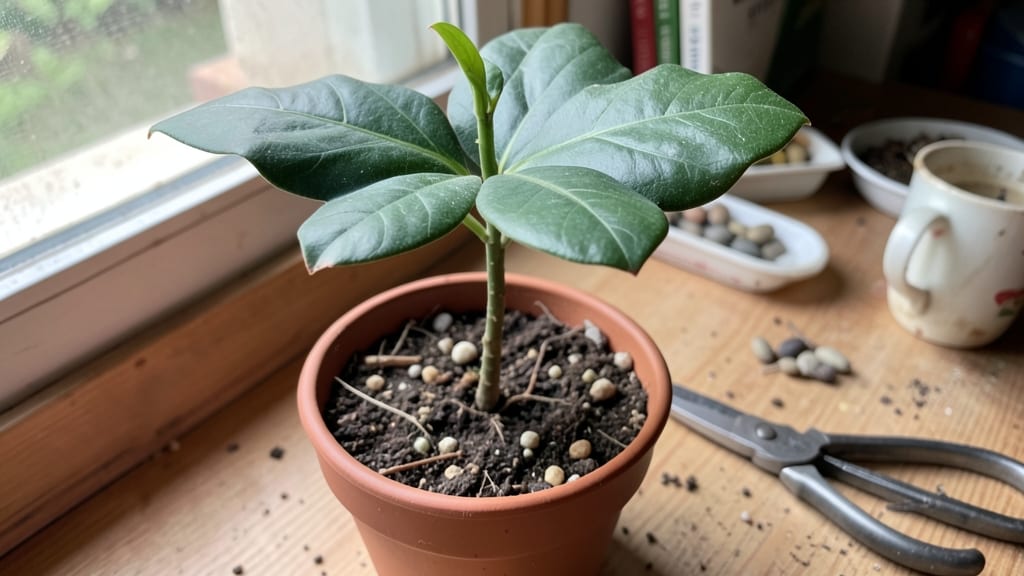
Pruning an avocado seedling isn't just about cutting—it's about teaching your plant to grow strong and branch out. 🌱 I learned the hard way that skipping this step leaves you with a single, leggy stem that never bears fruit.
The right cuts at the right time turn that skinny sapling into a sturdy tree with multiple trunks and a canopy that actually produces avocados.
You only need three things: sharp pruning shears, a clean cloth for wiping cuts, and a sunny day to work. The best time to prune is during the seedling's first year, right after new growth appears in spring.
This is when the plant is most responsive to shaping—cutting back too much later in the year can stress it. Start by removing any dead or weak branches first; they're just taking energy from the good growth.
What you'll end up with is a seedling that looks more like a real avocado tree should—thick at the base, with multiple sturdy branches spreading out.
The cuts you make now determine how well it handles fruit later; proper pruning prevents disease by improving airflow and encourages the plant to focus energy on new growth rather than just vertical stretching. Within a few months, you'll see those new branches filling out with leaves.
This method works for container-grown seedlings too—just use slightly smaller shears. The key is patience; you're not just trimming, you're building the foundation for a tree that could feed you for decades.
Once you've got the basics down, you can experiment with shaping it into a single-trunk tree or a multi-trunk bush style. Either way, your avocado will thank you with stronger growth and better fruit production.
📚 In This Guide
- What you need
- Instructions
- Tips and common mistakes
- Wrapping up and next steps
What you need
- ● Clean, sharp pruning shears – Bypass pruners (4–6 inches) for small branches; sterilize with rubbing alcohol before use.
- ○ Gloves – Heavy-duty gardening gloves (optional but recommended to protect from sap and thorns).
- ● Disinfectant – 70% isopropyl alcohol or a 10% bleach solution (for sterilizing tools between cuts).
- ○ Pruning sealant (optional but helpful) – Wound paint or beeswax to coat large cuts (1–2 inches in diameter).
- ● Ruler or measuring tape – For precise branch measurements (12–24 inches for standard cuts).
- ● Small container or bucket – To collect pruned branches (for compost or disposal).
- ● Healthy seedling – Prune only when the plant shows 3–5 mature leaves (signs of vigor, not stress).
- ● Right timing – Prune in late winter or early spring (before new growth) or after fruiting (for established seedlings).
- ● Sunlight & warmth – Ensure the seedling has 6+ hours of sunlight daily and temps above 50°F (10°C) for 2 weeks post-pruning.
- ● Watering routine – Water deeply 1–2 days before pruning (well-drained soil prevents shock).
How to prune avocado seedlings for healthier plants
Here's my no-fuss method for shaping young avocado trees—just a few cuts now save hours of cleanup later.
✂️ Step 1: Identify the Right Branches to Trim
Start by examining your seedling for branches that grow inward, cross each other, or rub against the trunk. These are your first targets—they’ll compete for nutrients and create weak spots. Look for branches thinner than a pencil; these are water sprouts that drain energy from stronger growth. I also remove any dead or yellowing branches immediately—they’re just dead weight.
Use your fingers to gently bend each branch. If it snaps easily, it’s too weak to support fruit later. Strong branches bend slightly but don’t break. Mark these with a small piece of tape if you’re unsure—you’ll come back to them after the main cuts. The goal here is to keep only the healthiest, outward-facing branches.
✂️ Step 2: Use the Right Tools and Technique
Grab your clean, sharp pruning shears and make your first cut just above a leaf node where the branch meets the trunk. This is called the "branch collar," and cutting here prevents unsightly stubs while encouraging new growth. Angle your cut slightly away from the trunk to let water run off—no flat cuts here. For thicker branches, use your pruning saw and make a single clean cut instead of sawing back and forth.
Never tear branches by hand—it leaves ragged edges that invite disease. If a branch is too thick for your tools, cut it in stages, working your way back until you reach the collar. Wipe your tools with rubbing alcohol between cuts to keep everything sterile. You’ll know you’re doing it right when the cuts look smooth, not jagged.
✂️ Step 3: Shape the Seedling for Balance
Step back and visualize your seedling as a tree—aim for a natural, open shape with room for sunlight to reach the center. Remove any branches growing straight upward; these create a "widow-maker" effect and can snap under fruit weight. Leave the strongest, outward-growing branches, spacing them evenly around the trunk. For a small seedling, think of a simple "V" shape—this encourages upward growth while keeping the canopy open.
If your seedling has a single dominant leader (the main upward-growing branch), let it grow but prune competing side branches to avoid crowding. You’ll see new side branches emerge below the cut—these are your future fruit-bearing limbs. Avoid over-pruning; remove no more than 25% of the seedling’s foliage in one session. Too much cutting stresses the plant and slows recovery.
✂️ Step 4: Clean Up and Monitor Recovery
After trimming, remove all cut branches and debris from the area to prevent fungal growth. Sprinkle a little cinnamon or wood ash around the base—this acts as a natural antiseptic. Water the seedling deeply to help it recover, but avoid soaking the cuts. You’ll notice new growth within 2-3 weeks—this is your signal that the pruning worked. If leaves yellow or drop, you may have cut too much; next time, be more conservative.
Keep an eye on the seedling over the next few weeks. If new branches grow inward again, trim them early before they thicken. Prune lightly in late winter or early spring when the seedling is just waking up from dormancy—this gives it time to heal before summer heat. With each trim, you’ll build a stronger, fruit-bearing tree that’s easier to manage as it grows.
Tips & tricks for pruning avocado seedlings
A few simple tricks will help you prune like a pro and keep your avocado seedling thriving for years.
Branch Strength Test: In Step 1, when you're bending branches to test their strength, look for ones that bend but don't snap completely. These are your keepers—they'll support fruit later. I've learned the hard way that branches that bend too easily now will break under avocado fruit weight later. Trust your fingers here—they're better than any tool for this test.
Cutting Angle Matters: That slight angle in Step 2 when you cut above the branch collar isn't just for looks—it's crucial. The angled cut lets water run off instead of pooling where the branch meets the trunk. I've seen too many pruning jobs go wrong because people make flat cuts. Think of it like tilting your umbrella in the rain—water runs off, not down your neck.
Visualize the Future Tree: When shaping in Step 3, imagine your seedling as a mature avocado tree. You want sunlight to reach the center, so remove any branches that grow straight up or inward. I like to think of a simple "V" shape for small seedlings—this creates that classic open canopy that avocado trees need. The goal is to make pruning now save you hours of cleanup later when your tree is full-sized.
Recovery Timeline: Those 2-3 weeks mentioned in Step 4 are your reward window. You'll see new growth sprout from the cuts—this is your plant telling you it's happy with the changes. If you don't see new growth within this time, you may have been too aggressive. Remember, avocado seedlings are tough but not indestructible—think of pruning as giving them a haircut, not a shave.
Pro Tips for Pruning An Avocado Seedling
- A few simple tricks will help you prune like a pro and keep your avocado seedling thriving for years.
- Branch Strength Test: In Step 1, when you're bending branches to test their strength, look for ones that bend but don't snap completely.
- Cutting Angle Matters: That slight angle in Step 2 when you cut above the branch collar isn't just for looks—it's crucial.
Frequently asked questions
When should I start pruning my avocado seedling?
Begin pruning once your seedling has grown 12-18 inches tall and developed at least 3-4 sturdy leaves. Early pruning (around 3-6 months old) encourages a stronger, bushier structure while preventing leggy growth. Focus on removing weak or crossing branches first—avoid heavy cuts early on!
How often should I prune my avocado seedling?
Prune lightly every 4-6 weeks during the seedling’s first year to shape its growth. Once established (after 1-2 years), reduce to 2-3 times per year—focus on spring (before flowering) and late summer. Avoid pruning during winter dormancy or when the tree is fruiting heavily.
What if I prune too much? Can I damage my seedling?
Over-pruning (cutting more than 20-30% of the foliage) stresses seedlings, leading to stunted growth or disease susceptibility. Stick to selective trimming—remove only dead, diseased, or overly crowded branches. If you’ve already overdone it, reduce watering slightly and fertilize lightly to help recovery.
Do I need special tools for pruning avocado seedlings?
No fancy tools! Use clean, sharp pruners or small hand shears for branches under ½-inch thick. For thicker branches, bypass pruners work best. Always sterilize tools with rubbing alcohol between cuts to prevent bacterial/fungal infections. Avoid using dull tools—they tear branches, inviting pests.
Will pruning my seedling affect fruit production later?
Pruning boosts future fruit production by improving airflow and sunlight penetration. However, avoid heavy pruning in the first 2-3 years—focus on shaping the tree. Once mature, strategic pruning (removing water sprouts and suckers) ensures healthier, more productive branches and larger avocados!
Wrapping up and next steps
Pruning your avocado seedling isn’t just about shaping—it’s about setting the foundation for a thriving, fruit-bearing tree! 🌱 By mastering the right techniques, you’ll encourage stronger branches, better airflow, and a healthier plant. Remember, patience and consistency are key as you nurture your young tree into maturity.
Now that you’re armed with knowledge, take the next step: grab those pruners and give your seedling some love! Monitor its progress, adjust your approach as needed, and soon, you’ll be rewarded with lush foliage—and maybe even those coveted avocados down the line. Happy pruning! 🌟