Propagation
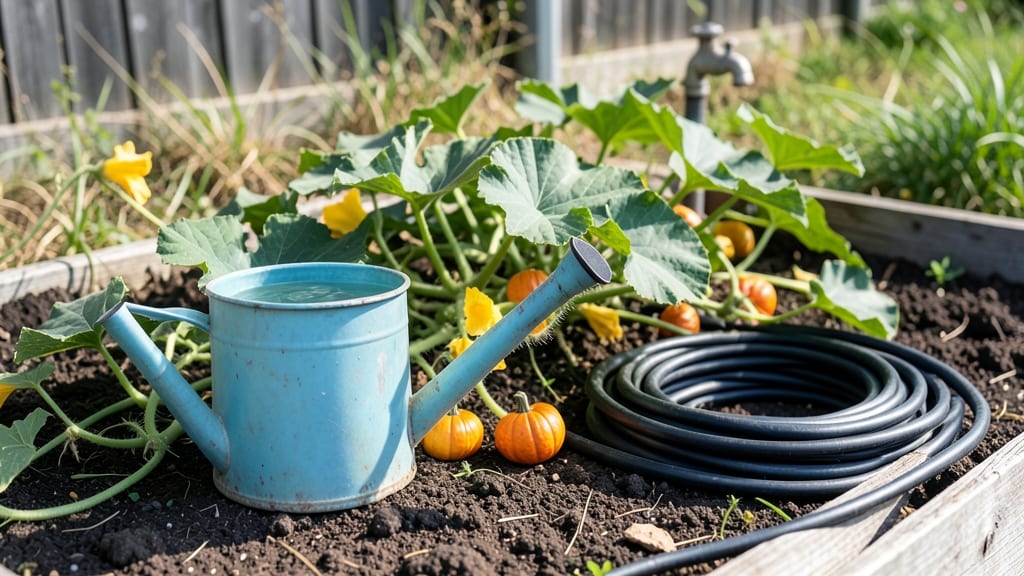
Watering pumpkin seeds correctly is the fastest way to jumpstart germination—consistent moisture without drowning them is the key to strong, healthy starts.
Struggling to get your pumpkin seeds to sprout quickly? The secret lies in precise moisture control—too much water drowns them, too little stunts growth. Here’s the exact watering strategy to maximize germination speed and plant health.
Most gardeners overcomplicate it, but pumpkin seeds 🎃 only need moist, not soggy, soil. Think of it like a damp sponge: enough to keep them hydrated, but not soaking.
I’ll show you how to strike that balance and avoid the two biggest mistakes that kill seedlings before they even emerge.
By the end, you’ll know exactly how often to water, when to adjust for humidity, and how to spot the warning signs of over- or under-watering—so you can grow vigorous pumpkin plants from day one.


Optimal water requirements for pumpkin seed germination
Getting your pumpkin seeds to sprout quickly requires a delicate balance of moisture control. Unlike mature plants, seeds need consistent but not soggy conditions to break dormancy. The key is maintaining 60-80% humidity around the seed while keeping the soil evenly moist—not drenched.
Too much water suffocates seeds, while too little prevents root development. Let’s break down the exact watering strategy to trigger fast, healthy germination.
Before planting, I recommend a 24-hour pre-soak in lukewarm water. This softens the seed coat and kickstarts the germination process. Use a clean cloth or paper towel to wrap the seeds, ensuring they stay damp but not waterlogged.
This step alone can double your germination rate by providing an immediate moisture boost. After soaking, plant the seeds 1 inch deep in well-draining soil to prevent rot.
Stage
Soil Moisture
Humidity
Watering Frequency
Pre-Soaking
Constant dampness
90%
24 hours
Planting Depth
1 inch deep
60-80%
Daily misting
Germination (Days 1-7)
Evenly moist
70-80%
Light spray 2x/day
Seedling Stage (Days 8-14)
Top 1 inch dry
60%
Every 2-3 days
Transplant Ready
Well-drained
50-60%
Deep water 1x/week
During the first 7 days of germination, your seeds need high humidity to mimic their natural environment. I use a humidity dome or plastic wrap to create a mini greenhouse effect, but I remove it daily for 10 minutes to prevent mold.
A spray bottle with room-temperature water works best for light misting—avoid overhead watering, which can dislodge seeds or compact soil. Aim for 70-80% humidity during this critical phase.
The soil moisture should feel like a damp sponge—squeeze it gently, and a few droplets should form, but it shouldn’t drip. Overwatering at this stage leads to fungal diseases like damping-off, which turns seedlings mushy at the base.
To test moisture, stick your finger 1 inch deep; if it feels dry, it’s time to water. If it’s sticky, hold off for another day. Consistency is key—pumpkin seeds won’t tolerate fluctuations.
Once seedlings emerge (typically 5-10 days after planting), reduce humidity to 60% and adjust your watering to every 2-3 days. At this stage, focus on keeping the top inch of soil dry to encourage strong root development.
I switch to a watering can with a fine rose to deliver water directly to the soil without disturbing the delicate sprouts. Avoid wetting the leaves, as this can attract pests or cause disease.
Environmental factors like temperature and airflow also play a role. Pumpkin seeds germinate best in 70-90°F soil temperatures. If your climate is cooler, use a seedling heat mat to maintain warmth.
Poor airflow increases humidity and risk of mold, so I place a small fan on low speed near the tray to circulate air without creating drafts. This balances moisture while keeping conditions ideal for growth.
For container gardening, choose pots with drainage holes and use a mix of potting soil and perlite (50/50 ratio) to improve aeration. This prevents waterlogging while retaining enough moisture for germination. If you’re planting directly in the garden, amend the soil with compost to enhance water retention and drainage.
Always water in the morning to allow excess moisture to evaporate before nightfall, reducing fungal risks.
Watch for signs of overwatering, like yellowing leaves or mold, and adjust immediately. Underwatering shows as wilted seedlings or stunted growth. The goal is to create an environment where your pumpkin seeds feel like they’re in their ideal tropical habitat—warm, moist, and protected.
With the right watering routine, you’ll see sprouts in as little as 3-5 days, setting your plants up for a bountiful harvest.
Pro tip: Keep a watering journal to track conditions and germination progress. Note the soil type, humidity levels, and sprouting times to refine your approach for future plantings. Small adjustments can make a big difference in seedling success rates!
Common watering mistakes that kill pumpkin seed growth
Pumpkin seeds are surprisingly delicate during germination, and even small watering errors can halt growth entirely. I’ve seen seedlings collapse from overwatering or wither from drought stress—both preventable with the right approach. The key is maintaining consistent moisture without drowning the seeds or letting the soil dry out completely.
Most gardeners assume pumpkin seeds need lots of water, but the truth is far more nuanced. Overwatering triggers root rot and fungal diseases, while underwatering forces seeds into dormancy. Even inconsistent moisture—like watering some seeds but not others—creates uneven sprouting. Let’s fix these mistakes before they ruin your harvest.
⚠️ Critical Watering Errors for Pumpkin Seeds
Overwatering: Seeds planted in soggy soil suffocate, leading to gray mold or blackened stems. Check for musty smells or white fungal growth—these are red flags.
Underwatering: Dry soil creates a hard crust that blocks oxygen, causing seeds to shrink or crack. Tap the soil lightly; if it feels bone-dry, it’s too late.
Inconsistent Moisture: Uneven watering leads to lopsided sprouts or stunted seedlings. Use a spray bottle for even misting or a moisture meter for precision.
One of the biggest mistakes I see is watering at the wrong time. Pumpkin seeds need moisture before planting—soak them for 8-12 hours in lukewarm water to kickstart germination.
After planting, keep the soil damp but not wet; a spritz daily with a spray bottle works better than heavy watering.
Another common pitfall is ignoring humidity levels. Pumpkin seeds thrive in 60-80% humidity, but dry air—especially indoors—can dry them out. Cover trays with plastic wrap or use a humidity dome to trap moisture. Remove it once sprouts appear to prevent mold buildup.
Diagnosing watering issues early saves your seeds. Wilting leaves or yellowing stems often signal overwatering, while crispy edges on leaves mean underwatering. For pumpkins, root rot appears as soft, mushy roots and a foul odor. Act fast: adjust watering and improve drainage with perlite or sand.
Remember, pumpkin seeds need patience and precision. Avoid these mistakes, and you’ll see faster germination and healthier seedlings in just days. Start with consistent moisture, monitor closely, and your pumpkins will thank you with vigorous vines and bountiful fruit.