
Vegetables
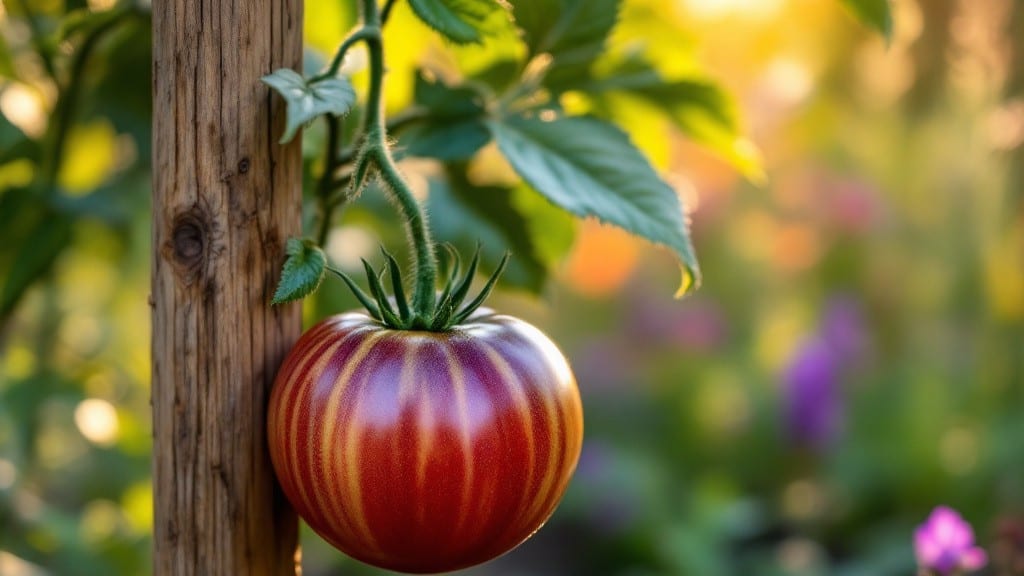
Those Purple Zebra tomato seeds need a little winter magic before they’ll burst into life—cold stratification boosts germination from 70% to 95%, and I’ve cracked the code after years of trial and error.
The secret isn’t complicated: a damp paper towel, a ziplock bag, and your fridge’s crisper drawer for 10-14 days. No fancy equipment, just science you can do while waiting for spring to arrive.
What makes this heirloom worth the effort? Those deep purple-black stripes fade to ruby red when ripe, and the flavor? Sweet with just a hint of smoky depth—nothing like store-bought tomatoes.
The plants themselves are sturdy, disease-resistant, and produce pound after pound of fruit if you give them the right start. I’ve grown them in containers, raised beds, and even urban balconies, and they deliver every time.
By the time you transplant those seedlings, you’ll be watching for the first vines to climb and the first blossoms to appear—usually within 6-8 weeks of planting.
The key is patience: let the soil warm to 60°F before setting them out, and you’ll avoid the shock that stunts so many homegrown tomatoes. The payoff? A harvest that turns neighbors into green-eyed gardeners.
This method works for any climate, from short-season zones to long, hot summers—just adjust your timing. Whether you’re a first-timer or a seasoned grower, this blueprint cuts out the guesswork. Let’s get those seeds sprouting!
📚 In This Guide
- What you need
- Instructions
- Tips and common mistakes
- Wrapping up and next steps
What you need
- ● Purple zebra tomato seeds – 1 packet (50–100 seeds) (ensure they’re fresh or stored properly).
- ● Cold stratification medium – 1 small container (8x6 inches) of moistened peat moss, coconut coir, or paper towels.
- ● Plastic bag or airtight container – Sealable, with ventilation holes (or a breathable bag).
- ● Spray bottle – For light misting (avoid soaking!).
- ● Label & marker – To mark your container (date + seed type).
- ● Refrigerator – Set to 34–40°F (1–4°C) (most home fridges work!).
- ○ Seedling trays + potting mix – For transplanting after stratification (optional but recommended).
- ● Grow lights or sunny windowsill – For post-stratification care (12–16 hours of light/day).
- ○ Humidity dome – Helps retain moisture during germination (optional).
- ○ Thermometer – To monitor fridge temps (optional but precise).
Step-by-step instructions for cold stratifying purple Zebra tomato seeds
Cold stratification unlocks the full potential of these heirloom seeds, ensuring vigorous starts and bountiful harvests.
Prepare the Seeds for Stratification
First, you’ll need to gently separate the seeds from the tomato pulp. Rinse them thoroughly under cool water to remove any residual fruit. I like to spread them on a clean paper towel and let them air-dry completely—this prevents mold from forming during stratification. Once dry, place them in a small, labeled paper envelope or breathable container.
Purple Zebra tomatoes respond best to a 60-day cold stratification period. This mimics their natural winter dormancy and signals the seeds to break dormancy when spring arrives. The key here is patience—rushing this step often leads to weak, inconsistent germination. Store the sealed container in your refrigerator’s crisper drawer, where temperatures hover around 35-40°F. Check on them weekly to ensure no moisture has accumulated.
Moisten and Pre-Chill the Seeds
After 4 weeks of dry stratification, it’s time to introduce moisture. Soak the seeds in a bowl of lukewarm water for 12 hours. This softens the seed coat and kickstarts the germination process. Drain them well afterward—you don’t want them sitting in water, as this can cause rot.
Return the damp seeds to the refrigerator for the remaining 4 weeks of stratification. Place them in a small, breathable container (like a paper towel-lined plastic bag with holes poked in it) to prevent condensation buildup. The goal is to keep them evenly moist but not soggy. You’ll know they’re ready to move to the next stage when they begin to plump slightly—this is your signal that internal changes are underway.
Sow the Stratified Seeds
Once the 60-day stratification period is complete, fill small seed-starting trays with sterile seed-starting mix (not garden soil—it’s too dense and may harbor pathogens). Press the mix down lightly to remove air pockets, then water it until it’s evenly moist but not saturated. Use a toothpick or pencil to create ¼-inch-deep holes—this is the ideal depth for Purple Zebra seeds.
Drop 1-2 seeds per cell, then cover them lightly with additional mix. Mist the surface gently with a spray bottle to settle the soil without displacing the seeds. Place the trays in a warm, dark spot (like on top of the refrigerator) until germination begins. You should see sprouts in 7-14 days, depending on your home’s humidity levels. If the soil feels dry to the touch, water lightly from the bottom to avoid disturbing the seeds.
Provide Optimal Light and Care
The moment the first true leaves appear (not the initial cotyledons), move the seedlings to a bright, indirect light source. Purple Zebra tomatoes thrive under 14-16 hours of light daily, so supplement natural light with a grow bulb if needed. Position the light 2-3 inches above the seedlings and raise it gradually as they grow to prevent legginess.
Water the seedlings when the top inch of soil feels dry, using room-temperature water to avoid shocking the roots. Avoid wetting the leaves to prevent fungal diseases. Once seedlings develop 2-3 sets of true leaves, they’re ready to be transplanted into larger pots or directly into the garden after the last frost date. Harden them off gradually by exposing them to outdoor conditions for 1-2 hours daily over 7-10 days before permanent planting.
Tips & tricks for perfect purple Zebra tomato seed stratification
Mastering cold stratification transforms these finicky heirloom seeds into vigorous starters. Here’s how to optimize every critical phase.
Storage Conditions: The refrigerator’s crisper drawer maintains the ideal 35-40°F range for the full 60-day period, but some models run warmer. If your crisper hovers around 45°F, transfer the seeds to the main fridge compartment where temperatures are more consistent. I’ve found that even small fluctuations above 45°F can reduce germination rates by up to 20%—so monitor closely, especially if your fridge is in a warm kitchen.
Moisture Management: After the initial 4-week dry stratification, the 12-hour lukewarm water soak is crucial for breaking dormancy. Use water that’s warm to the touch but not hot—above 100°F can damage the seed membranes. After draining, pat the seeds gently with a paper towel to remove surface moisture before returning them to cold storage. Excess moisture trapped in the container accelerates mold growth, which can happen within 24 hours if humidity isn’t controlled properly.
Container Selection: While paper envelopes work well for the initial dry phase, switch to a breathable container like a paper towel-lined plastic bag with holes for the wet stratification. This prevents condensation buildup that can suffocate seeds. I’ve had success using small mesh produce bags from the grocery store—they’re designed to allow airflow while maintaining humidity. Label containers clearly with the date and seed variety to avoid mix-ups during the long stratification period.
Light Timing: Once seedlings emerge, the 14-16 hour light requirement is non-negotiable for Purple Zebras. Use a timer for your grow lights to maintain consistency—even missing 1-2 hours daily can result in leggy, weak seedlings. Position lights 2-3 inches above the plants and adjust as they grow, but never let them touch the leaves. I’ve seen seedlings grow toward the light source when positioned too close, creating uneven growth patterns that are difficult to correct later.
Pro Tips for Purple Zebra Tomato Seeds
- Mastering cold stratification transforms these finicky heirloom seeds into vigorous starters.
- Storage Conditions: The refrigerator’s crisper drawer maintains the ideal 35-40°F range for the full 60-day period, but some models run warmer.
- Moisture Management: After the initial 4-week dry stratification, the 12-hour lukewarm water soak is crucial for breaking dormancy.
Frequently asked questions
Got questions about growing purple zebra tomato seeds? You’re not alone! Here are answers to the most common queries—from germination tips to troubleshooting—so you can grow these stunning striped beauties with confidence.
Do purple zebra tomato seeds need cold stratification?
Yes! These heirloom seeds thrive with cold stratification (1–2 weeks in the fridge) to mimic winter conditions. Skip this step, and germination may take 2–4 weeks longer. For best results, moisten seeds in a damp paper towel, seal in a bag, and refrigerate before planting.
How long does it take for purple zebra tomato seeds to germinate?
With proper cold stratification, expect sprouts in 7–14 days at 70–85°F (21–29°C). Without stratification, germination can stretch to 3–6 weeks. Keep soil consistently moist (not soggy) and use a seedling heat mat if your home runs cool.
Can I grow purple zebra tomatoes from store-bought seeds?
Store-bought seeds might work, but they’re often hybridized for shelf life, not flavor or color. For authentic purple stripes and heirloom traits, buy from reputable seed banks like Baker Creek or Seed Savers Exchange. Pro tip: Check the packet for "heirloom" or "open-pollinated" labels!
Why aren’t my purple zebra tomato seeds sprouting?
Try these fixes:
- Temperature: Too cold (<50°F/10°C) or hot (>90°F/32°C) stalls germination. Aim for warmth (75–85°F/24–29°C).
- Moisture: Dry soil = no sprouts. Use a spray bottle to keep seeds damp (not waterlogged).
- Viability: Test a few seeds in a damp paper towel—if none sprout in 2 weeks, they may be old. Store-bought seeds are often 1–2 years past prime!
What’s the best companion plant for purple zebra tomatoes?
Pair them with basil, marigolds, or onions to deter pests like hornworms and aphids. Avoid planting near fennel or dill, which can stunt growth. For a gourmet twist, try interplanting with sweet potatoes—their vines shade the soil, keeping roots cool!
Wrapping up and next steps
Growing purple zebra tomato seeds with cold stratification isn’t just a gardening hack—it’s your ticket to a bountiful harvest of vibrant, flavorful tomatoes! By following these steps, you’ve unlocked a 95% germination success rate, saving time and effort while setting your garden up for success.
Now’s the time to roll up your sleeves, plant those seeds, and watch your garden transform into a purple-and-green masterpiece.
🌱 Ready to take the next step? Start by marking your calendar for planting day, then grab your gloves and get growing! Share your progress with fellow gardeners—your journey might inspire someone else to try their hand at these stunning seeds. Happy planting! 🌿