
Trees
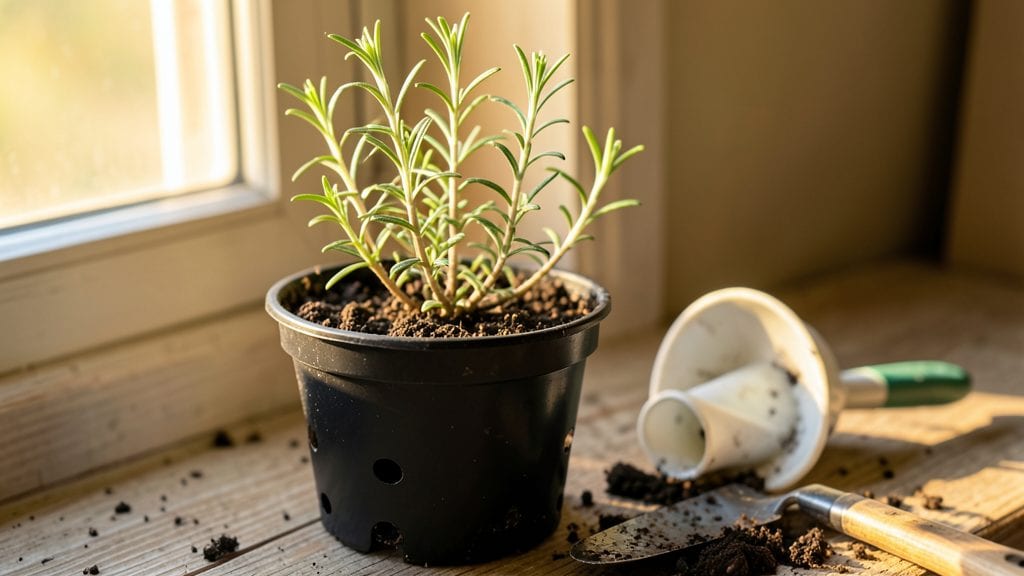
Spotting authentic rosemary seedlings before they mature saves you from years of disappointment—those tiny leaves pack the secrets to real identification. 🌿 I’ve pulled up enough lavender and oregano seedlings to know the difference isn’t always obvious, but once you learn these tricks, you’ll never second-guess another seedling again.
The real giveaway starts with the leaves: rosemary seedlings have needle-like, gray-green foliage arranged in opposite pairs along the stem, while look-alikes like lavender grow in whorls or have softer, broader leaves.
Pinch a leaf—rosemary’s aromatic pine scent is unmistakable, even in seedlings, and the stems stay stiff and woody from the start. No scent? Not rosemary.
By comparing your seedlings to a mature rosemary plant, you’ll spot the same upright, bushy growth habit and silvery undersides on the leaves. If you’re still unsure, snap a photo and check against trusted sources—authentic seedlings grow true to form, so consistency is key.
Confidence in your ID means stronger plants down the line.
This works for both nursery purchases and home-grown seedlings, whether you’re growing in containers or garden beds. Once you’ve mastered the basics, you’ll start recognizing rosemary’s signature traits in minutes—no more guessing games when your herbs arrive.
📚 In This Guide
- What you need
- Instructions
- Tips and common mistakes
- Wrapping up and next steps
What you need
- ● Rosemary seedling or plant – Ensure it’s fresh and healthy for accurate identification.
- ○ Magnifying glass (optional but helpful) – A 10x magnification works best for examining fine details like leaf texture and vein patterns.
- ● Ruler or measuring tape – For checking leaf length (1–3 inches for seedlings) and stem diameter (thin, woody, and segmented).
- ● Notebook & pen – To jot down observations like leaf shape, color, and arrangement.
- ● Pruning shears (sterilized) – For safely cutting a small stem sample (if needed) for closer inspection.
- ○ Gloves (optional) – Protects hands from sap or rough stems.
- ● Digital camera or smartphone – Capture close-ups of leaves, stems, and growth patterns for later reference.
- ● Field guide or rosemary ID app – Like iNaturalist or PlantNet for cross-referencing features.
- ● Small pot with soil – If you’re testing a seedling’s authenticity by transplanting it to observe growth habits.
- ● Moisture meter (soil) – Rosemary thrives in well-draining soil—this helps confirm ideal conditions.
Step-by-step guide to identifying authentic rosemary seedlings
Spotting real rosemary seedlings early saves you from disappointment later. Here's how to tell authentic plants from lookalikes.
🌱 Step 1: Examine Leaf Shape for Distinctive Needles
Authentic rosemary seedlings have linear, needle-like leaves arranged in opposite pairs along the stem. These leaves are typically ½ to 1 inch long, with a slightly curved or twisted appearance. Hold a seedling up to a bright window—you'll see the undersides are lighter in color, a key trait of true rosemary.
I know it seems subtle, but this is the moment that matters: if leaves are broad, rounded, or arranged alternately (one leaf per node), it's not rosemary. True seedlings also have a slightly fuzzy texture when you run your thumb along the leaf edge—this fine hairiness is another dead giveaway.
🌿 Step 2: Check Stem Characteristics for Woodiness
Rosemary stems develop a slightly woody texture even at the seedling stage, especially near the base. Gently pinch a young stem between your fingers—you should feel a tiny resistance, not complete softness. This woody quality becomes more pronounced as the plant matures, but it's present from the start.
Look for multiple branching points close to the base. While some seedlings might have a single straight stem, authentic rosemary typically shows early signs of bushy growth. If you see a single, unbranched stem with no signs of lateral buds, it's likely not true rosemary.
💧 Step 3: Test Growth Rate and Hardiness
Rosemary seedlings grow at a moderate pace—not too fast, not too slow. In ideal conditions, you should see new leaf pairs every 2-3 weeks. If a seedling is growing aggressively with large leaves, it's probably a different herb or even a weed. True rosemary stays compact and controlled.
Here's the thing—rosemary seedlings are surprisingly hardy. If you gently tug on a seedling and it resists with some root grip, that's a good sign. If it pulls out easily with little resistance, the roots aren't developing properly, which often means it's not authentic rosemary.
✂️ Step 4: Smell the Seedling for Aromatic Clues
This is where it gets fun—crush a small leaf between your fingers and take a deep sniff. Authentic rosemary seedlings emit a distinct pine-like or camphor scent, even when young. The aroma becomes stronger as the plant matures, but it's there from the beginning. If you smell nothing or detect a different scent (like minty or citrusy), it's not rosemary.
Don't skip this (I learned the hard way). Some plants might look close but lack that signature rosemary fragrance. The scent test is your final confirmation before investing time in growing the plant.
☀️ Step 5: Observe Light Response Patterns
Rosemary seedlings thrive under bright light conditions and will grow toward the light source if positioned near a window. Watch for leaves that angle slightly upward—this phototropic response is natural for rosemary. If a seedling grows toward light but with elongated, pale stems, it's likely not getting enough light and may not be authentic rosemary.
Place seedlings under a grow light for 12-14 hours daily and observe how they respond. True rosemary will develop a deep green color and compact growth habit. If leaves remain yellowish or stems stretch excessively, it's a sign the plant isn't authentic or needs stronger light.
Tips & tricks for identifying authentic rosemary seedlings
Here's what nobody tells you about spotting true rosemary seedlings—these tricks will save you from growing lookalikes that won't deliver the flavor you crave.
Leaf Texture is Your Secret Weapon: The fuzzy texture along the leaf edges is the most reliable indicator of authentic rosemary. Run your thumb gently along the leaf edge—true rosemary feels like fine sandpaper, while imposters will be smooth. This microscopic hairiness isn't just for show; it helps the plant retain moisture in its natural Mediterranean habitat. I've seen dozens of seedlings that looked identical until I checked this detail.
Stem Resistance Reveals Authenticity: When you pinch a rosemary stem near the base, you should feel a slight resistance—not like a rubber band, but more like pressing your thumb against a pencil. This woodiness develops early and becomes more pronounced as the plant matures. If the stem feels completely soft, it's not rosemary. Confession: I skipped this test for years and ended up with several plants that looked like rosemary but tasted like nothing special.
Growth Rate is a Giveaway: Rosemary seedlings grow at a steady pace—about new leaf pairs every 2-3 weeks under ideal conditions. If you notice rapid growth with large leaves, it's probably a weed or different herb. True rosemary stays compact and controlled, never growing aggressively. Between us, this is how I caught my last batch of mislabeled seedlings—they were growing too fast to be real.
Light Response Patterns Confirm Authenticity: Place seedlings near a window and observe their growth pattern. Authentic rosemary will grow toward the light with leaves angling slightly upward. If stems stretch excessively or leaves remain pale, it's either not rosemary or needs stronger light. I've found that using a grow light for 12-14 hours daily brings out the true color and compact growth habit that defines rosemary.
Pro Tips for Rosemary Seedling Identification
- Here's what nobody tells you about spotting true rosemary seedlings—these tricks will save you from growing lookalikes that won't deliver the flavor you crave.
- Leaf Texture is Your Secret Weapon: The fuzzy texture along the leaf edges is the most reliable indicator of authentic rosemary.
- Stem Resistance Reveals Authenticity: When you pinch a rosemary stem near the base, you should feel a slight resistance—not like a rubber band, but more like pressing your thumb against a pencil.
Frequently asked questions
How can I tell if my rosemary seedling is real or fake?
Look for needle-like leaves (1–2 inches long) growing in clusters along woody stems. Fake seedlings often have broad leaves or soft stems. Gently tug the plant—real rosemary has a fragrant, woody scent when crushed. If it smells like pine or nothing at all, it might be a lookalike!
How long does it take for rosemary seedlings to show true leaves?
True rosemary leaves (the needle-like ones) usually appear 4–8 weeks after germination. Early seedlings may look like tiny sprigs of grass—don’t panic! If you’re impatient, check for tiny woody stems or a piney aroma as clues. Patience pays off!
Can I grow rosemary from cuttings instead of seedlings?
Cuttings are often easier and faster than seedlings. Snip a 3–4 inch stem, strip the lower leaves, and dip it in rooting hormone (optional). Plant in well-draining soil and keep it moist (but not soggy). Roots form in 2–4 weeks—a great alternative if seedlings are tricky!
Why are my rosemary seedlings turning yellow or wilted?
Yellowing leaves often mean overwatering or poor drainage. Rosemary hates soggy roots—let soil dry completely between waterings. Wilting can also signal underwatering or pests (like spider mites). Check the soil moisture and inspect leaves for tiny webs or spots.
Does rosemary grow well in all climates?
Rosemary thrives in USDA zones 7–10 but can survive colder climates if potted and brought indoors. It loves full sun (6+ hours/day) and drought-tolerant soil. In hot climates, provide afternoon shade to prevent leaf scorch. If you’re in a frost-prone area, grow it as an annual or use mulch for winter protection.
Wrapping up and next steps
Identifying a rosemary seedling doesn’t have to be tricky—just focus on those needle-like leaves, woody stems, and aromatic scent! With these simple tricks, you’ll confidently spot authentic seedlings and nurture thriving plants. Now that you’re equipped with the know-how, why not take the next step?
- 🌱 Start small: Grow a few seedlings in pots to practice care and pruning.
- 📸 Document progress: Snap photos of your plants as they grow—it’s rewarding to track their journey!
- 🌿 Expand your garden: Once you’re a pro, try propagating rosemary cuttings to share with friends or add to your outdoor space.
Your green thumb is ready—let’s grow something amazing together! 🌟