
Lawn
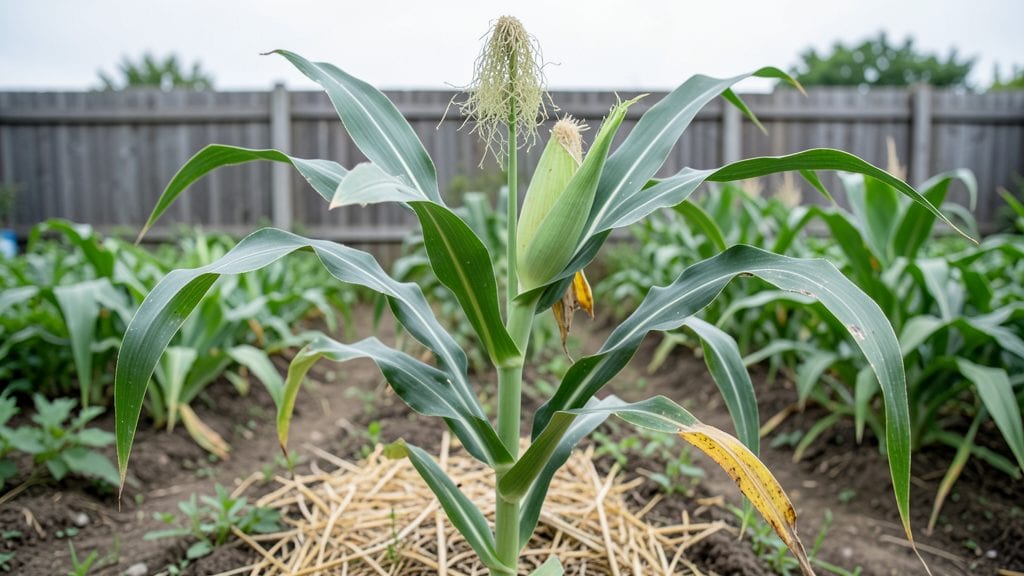
"Growing maize from seed in just seven days isn’t magic—it’s a pre-sprouting trick I perfected after watching my first batch take three weeks to crack. The secret lies in soaking the seed of maize overnight and keeping it warm, which tricks it into thinking spring has arrived.
I’ve grown corn this way in containers, raised beds, and even old buckets, and the results are always the same: sturdy little sprouts ready to plant in under a week.
You’ll need just three things: a warm spot (like on top of your fridge), a damp paper towel, and patience for 24 hours. Most people overlook the warmth step, and that’s why their seeds take forever.
Once sprouted, you’ll transplant them into soil that’s been loosened to at least 12 inches deep—corn roots need room to stretch. The key is consistency: keep the soil moist but never soggy, and watch those first leaves unfurl in just days.
By day seven, you’ll have seedlings with strong roots and vibrant green leaves, ready to outpace store-bought plants. The best part? No more waiting months for germination—just fast, reliable growth that turns into 6-foot stalks by summer.
This method works for sweet corn, field corn, and even popcorn varieties, so you can grow exactly what you want, when you want it.
Works in containers, raised beds, or directly in the ground—just adjust planting depth based on your space. Here’s how to get those sprouts popping in record time."
📚 In This Guide
- What you need
- Instructions
- Tips and common mistakes
- Wrapping up and next steps
What you need
- ● Maize seeds: 10–20 fresh, high-quality seeds (look for non-GMO varieties like Golden Bantam or Country Gentleman for best results).
- ● Growing medium: Option 1: 1–2 paper towels (unbleached, seedling-safe) or
- ● Option 2: 1 cup of moistened potting soil (sterilized, seed-starting mix preferred).
- ● Spray bottle: 8–16 oz with a fine mist nozzle (for gentle hydration).
- ● Clear plastic bag or container: Small enough to hold your setup (e.g., a mason jar with a lid or a resealable bag with holes poked in it).
- ● Plate or shallow tray: 6–8 inches wide (to catch excess water).
- ● Measuring cup: For precise water adjustments (1–2 tbsp of water per seed, max).
- ● Scissors or hole punch: To poke drainage holes in plastic containers (if using).
- ○ Thermometer (optional): To monitor warmth (ideal range: 70–80°F).
- ○ Heat mat (optional): For faster germination if your space is cool.
- ○ Grow lights (optional): 12–16 hours of light/day if natural light is limited.
- ● Notebook & pen: To track sprouting progress (fun for kids or data lovers!).
Step-by-Step guide to pre-sprouting maize seeds for faster growth
Here’s how to jumpstart your maize seeds so they sprout in just 7 days—no guesswork, no waiting.
Soak Seeds Overnight to Kickstart Germination
Place your maize seeds in a clean bowl and cover them with warm water (about 80°F) for 12 hours. This softens the hard outer shell, letting moisture penetrate faster. I like to use a mesh bag or cheesecloth to keep seeds contained while soaking—it makes draining easier later.
After soaking, drain the water completely. Let the seeds sit in a shaded, warm spot (around 75°F) for another 6 hours. You’ll notice tiny white roots emerging—this is your signal that germination is underway. If seeds stay dry, they’ll stall, so keep them damp with a damp paper towel if needed.
Prepare a Moist, Warm Germination Medium
Line a shallow tray with a damp paper towel or a thin layer of moistened vermiculite (not soil—it’s too dense for early root growth). Spread the soaked seeds 1 inch apart in a single layer. Cover the tray with another damp paper towel or plastic wrap to retain humidity, but leave a small gap for airflow.
Place the tray in a warm, dark spot (like a seedling heat mat set to 80°F). Check daily—mist the towel lightly if it feels dry to the touch. Within 24-48 hours, you’ll see white roots (radicles) breaking through. This is the critical stage—don’t move the tray once roots appear.
Transfer to a Light, Airy Growing Environment
Once roots reach about ½ inch long, carefully lift each seedling by its root (not the shoot) and plant it ½ inch deep in a small pot filled with light potting mix. Gently firm the soil around the base to secure the roots. Water lightly with room-temperature water until it drains from the bottom.
Move the pots to a bright, indirect light spot (like a south-facing window) or under a grow light set to 14 hours of light daily. Avoid direct sun at this stage—it can scorch delicate sprouts. You’ll see the first true leaves (not the seed leaves) emerge in 3-4 days.
Maintain Ideal Conditions for Rapid Growth
Keep the soil evenly moist—not soggy, not dry. Stick your finger 1 inch deep into the soil; if it feels dry, water until moisture reaches that depth. Maize seedlings thrive in 70-80°F temperatures. If your home runs cooler, use a small heat mat under the pots.
After 7 days, your seedlings should be 2-3 inches tall with 3-4 true leaves. This is when they’re ready to transplant outdoors or into larger containers. Watch for sturdy stems and dark green leaves—these are signs of strong, healthy growth.
Harden Off Before Transplanting
One week before moving seedlings outside, start hardening them off. Place them in a sheltered spot (like a porch or garage) for 1 hour on day one, gradually increasing time by 1 hour daily until they’re outside 24/7. This toughens their stems and leaves, preventing shock.
Transplant on a cloudy day or in the late afternoon to avoid stress from direct sun. Bury the seedlings up to their first true leaves—this encourages deeper root growth. Water deeply at the base to settle the soil and reduce transplant shock.
Tips & tricks for faster maize seed germination
Getting your maize seeds to sprout quickly takes a few key tricks—here's what I've learned after perfecting this method over several batches.
Soaking Temperature Matters: The 12-hour soak in 80°F water is crucial—too cold and the seeds won't soften properly, too hot and you risk damaging them. I use a thermometer to confirm the temperature, especially if you're using tap water that might be cooler. If your kitchen runs cold, place the bowl of seeds in a warm spot like near the oven (with it turned off) while soaking. This consistent warmth jumpstarts the germination process faster than room temperature alone.
Root Development Watch: During the critical 24-48 hour period after transferring to your germination tray, resist the urge to check on your seeds too often. Every time you lift the cover, you release moisture and cool the environment, which can stall root growth. Instead, set a reminder to check only once daily—look for those tiny white roots breaking through. When they reach about ½ inch, that's your cue to move to Step 3. I've seen roots grow an extra ¼ inch overnight if left completely undisturbed during this window.
Light Transition Timing: The shift from dark germination to light exposure in Step 3 requires precise timing. Move seedlings to light only when roots reach ½ inch—any earlier and they'll be too fragile for handling, any later and they risk becoming etiolated (stretched and weak). I find using a small hand trowel helps gently lift seedlings by their roots without damaging the delicate shoots. Place them in bright, indirect light immediately after transplanting to prevent shock from sudden light exposure.
Harden Off Gradually: The 1-hour daily increase during hardening off might seem slow, but it's essential for preventing transplant shock. I've seen seedlings wilt dramatically when moved too quickly to full sun conditions. Start with just 1 hour in sheltered outdoor conditions, then gradually increase. If you're in a particularly windy area, consider using a small mesh cage to protect seedlings during their first few outdoor sessions. This gradual approach builds their resilience over the full week.
Pro Tips for Seed Of Maize
- Getting your maize seeds to sprout quickly takes a few key tricks—here's what I've learned after perfecting this method over several batches.
- Soaking Temperature Matters: The 12-hour soak in 80°F water is crucial—too cold and the seeds won't soften properly, too hot and you risk damaging them.
- Root Development Watch: During the critical 24-48 hour period after transferring to your germination tray, resist the urge to check on your seeds too often.
Frequently asked questions
Got questions about growing maize seeds?
You’re not alone! Here are some of the most common queries—plus quick, actionable answers to help you sprout faster and healthier maize in just 7 days.
How do I know if my maize seeds are viable before planting?
Test viability by placing a few seeds in a glass of water. If 70-80% float within 24 hours, they’re likely good to go. Sinkers? Those are your winners—plant them! For extra peace of mind, soak them overnight in warm water to check for mold (discard if slimy or discolored).
Why are my maize seeds taking longer than 7 days to sprout?
Slow sprouting usually boils down to temperature, moisture, or seed age. Keep seeds in a warm (70–85°F), humid environment (like a sprouting jar or damp paper towel). If seeds are older than a year, germination rates drop—opt for fresh seeds for speed. Pro tip: Pre-soaking in lukewarm water for 8–12 hours can kickstart the process!
Can I grow maize seeds indoors without sunlight?
Use a grow light (LED or fluorescent) 12–16 hours daily to mimic sunlight. Place seeds in a shallow tray with damp paper towels, cover with a lid (or plastic wrap), and keep near the light. Once sprouts appear (3–5 days), transfer to soil. Bonus: A sunny windowsill works too, but growth may slow.
What’s the best alternative if maize seeds won’t sprout?
Try these fast-sprouting alternatives for similar results:
- Corn kernels (dried): Soak 24 hours, then plant—sprouts emerge in 5–7 days.
- Wheatgrass seeds: Germinates in 2–3 days (great for quick greens!).
- Mung beans: Ready in 3–4 days; nutrient-dense and easy.
For lawns, ryegrass or clover seeds are hardier options if maize proves tricky.
My maize sprouts look moldy—what should I do?
Mold is a red flag! Act fast:
- Rinse sprouts with hydrogen peroxide (3%) or vinegar-water (1:3 ratio) to kill mold.
- Air-dry in indirect sunlight for 1–2 hours.
- Discard any black/fuzzy sprouts—don’t risk it!
Prevent mold by using clean containers, fresh seeds, and avoiding over-moisture. If mold returns, reduce humidity or improve airflow.
Wrapping up and next steps
Growing maize from seed is a rewarding journey that starts with the right prep!
By soaking, scarifying, and nurturing your seed of maize with patience and care, you’ll unlock faster sprouts in just 7 days—and healthier plants down the line. 🌱 Whether you’re a lawn enthusiast or a curious gardener, these pre-sprouting secrets set you up for success.
Ready to plant your seeds? Start by gathering your supplies, follow the steps above, and watch your maize thrive! Next, explore our planting guide for long-term growth tips. 🌟