
Plants
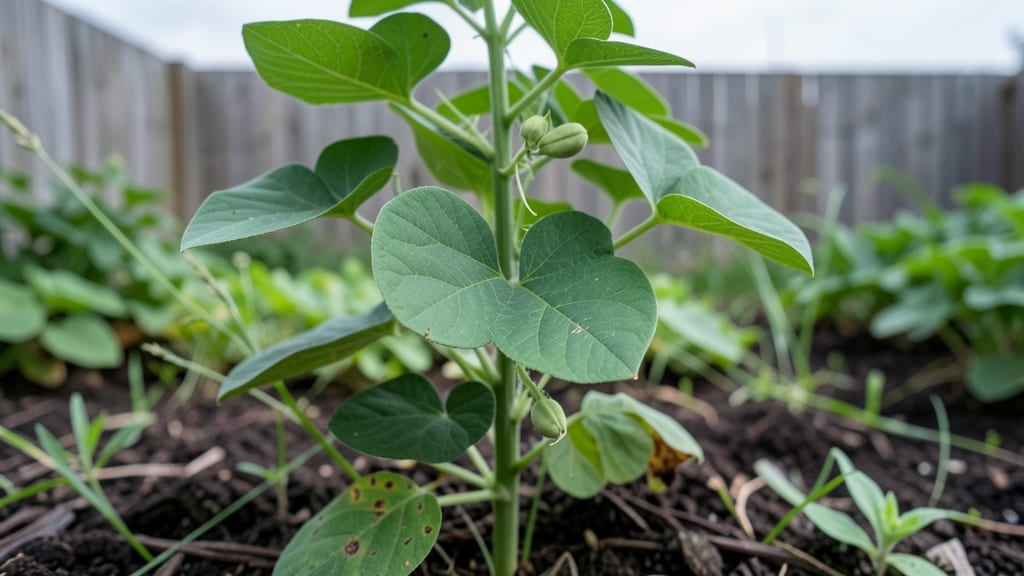
Growing seeds with leaves that stay lush while sprouting is the fastest way to jumpstart your garden—no bare soil or guesswork. 🌱 I learned this trick after struggling with slow germination in my cold frames, and it cut my waiting time by nearly half.
The secret? A damp paper towel or moistened seed packet that keeps seeds hydrated while encouraging tender leaves to unfurl right away.
This method works for everything from spinach and arugula to basil and parsley—plants that produce both seeds and edible leaves. You’ll need just a few supplies: a clean towel or paper, a plastic bag, and a warm spot.
The key is maintaining moist conditions without drowning the seeds, so I’ll walk you through the exact setup that prevents mold while speeding up growth.
Within 3-5 days, you’ll see those first tiny leaves pushing through, ready to transplant. The leaves stay vibrant because the roots establish quickly, and you avoid the leggy, weak seedlings that happen with traditional methods.
By the time you move them to soil, they’re already strong enough to handle the transition.
Perfect for gardeners who want fast results without sacrificing leaf health, whether you’re growing for harvest or just love watching those first sprouts appear. Here’s how to do it right the first time.
Root Causes of Early Leaf Growth
Understanding why a seed sprouts with leaves instead of just a strong root system can help gardeners adjust their techniques for healthier starts. Here’s a breakdown of the most common reasons—and the science behind them—so you can troubleshoot effectively.
🌡️ Why it happens: Seeds germinate fastest in warm soil (typically 60–85°F, depending on the plant), but too much heat can accelerate metabolic processes, causing the seedling to push out leaves before establishing a robust root system.
This imbalance happens because: - Rapid enzyme activity: Warmth speeds up enzymes like amylase and proteases, breaking down starches and proteins in the seed too quickly.
The plant prioritizes leaf growth (photosynthesis) over root development to capture sunlight. - Limited energy reserves: If the seed’s stored energy (from the endosperm or cotyledons) is depleted too fast, the seedling may "cheat" by producing leaves early to photosynthesize—even if roots aren’t fully anchored.
Actionable fix:
- Use seedling heat mats only if needed, and remove them once germination begins.
- Opt for cool-season crops (like lettuce or peas) in warm soil by delaying planting until temperatures drop.
- Try soil cooling tricks, like shading the bed with a light cloth or using hydrogel crystals to regulate moisture and temperature.
💧 Why it happens: While moisture is critical for germination, overwatering or waterlogged soil creates anaerobic conditions (low oxygen).
This forces the seedling to: - Prioritize above-ground growth: Roots suffocate in soggy soil, so the plant diverts energy to leaves to "escape" the problem—even if it means weaker structural support. - Trigger ethylene gas buildup: Poor drainage causes ethylene (a plant stress hormone) to accumulate, which inhibits root growth while promoting leaf expansion. - Weak cell turgor: Excess water dilutes nutrients, leading to soft, spindly leaves (a classic sign of "leggy" seedlings).
Actionable fix:
- Test your soil: Stick a finger 1–2 inches deep; if it’s damp but not soggy, you’re golden. If it’s muddy, improve drainage with:
- Perlite or vermiculite (20–30% mix in potting soil).
- Raised beds or containers with drainage holes.
- Water wisely: Use the "knuckle test"—press your knuckle into the soil. If it springs back slowly, it’s too wet.
- Avoid bottom-watering traps: Some growers overcompensate by letting trays sit in water, drowning roots.
🌿 Why it happens: Seeds need light to trigger photomorphogenesis—the process that shifts growth from underground (roots) to above-ground (leaves).
But too little light (or incorrect spectrum) sends mixed signals: - Etiolation: Seedlings stretch toward light sources, producing long, weak stems and large but pale leaves (a survival tactic to maximize light absorption). - Chlorophyll imbalance: Without proper blue and red light wavelengths, chlorophyll production is inefficient, leading to yellowing leaves (chlorosis) as the plant "gambles" on growth. - Hormonal shift: Low light reduces auxin (a root-growth hormone) while boosting gibberellins, which promote stem and leaf elongation.
Actionable fix:
- Use grow lights if natural light is <12 hours/day. LED panels (with 6500K–7000K color temperature) are ideal.
- Adjust distance: Keep lights 2–4 inches above seedlings (closer for low-wattage bulbs).
- Rotate trays daily to prevent uneven growth toward a light source.
- Avoid heat lamps: They emit too much infrared, which mimics "hot" conditions and stresses seedlings.
🧪 Why it happens: While seeds don’t need fertilizer to germinate, excess nutrients (especially nitrogen) can backfire: - Nitrogen overload: Leads to luxuriant leaf growth at the expense of roots.
The plant thinks it’s in a "competitive" environment and prioritizes foliage over structural support. - Phosphorus deficiency: Even with enough P (critical for root development), imbalanced NPK ratios (e.g., 10-10-10 vs. 5-10-5) can starve roots while leaves thrive. - Micronutrient stress: Lack of boron, zinc, or iron causes distorted leaves as the plant misallocates energy to "repair" symptoms.
Actionable fix:
- Skip fertilizer until true leaves appear (after the cotyledons drop). Use seed-starting mixes labeled "low-nitrogen."
- Dilute fertilizers to half-strength if used early. A fish emulsion tea (1:10 ratio) is gentler than synthetic blends.
- Test soil pH: Most seedlings prefer 6.0–7.0. Adjust with lime (to raise) or sulfur (to lower) if needed.
🌱 Why it happens: Some plant varieties are hardwired to produce leaves early as part of their survival strategy:
- Epigeal vs. hypogeal germination:
- Epigeal seeds (like beans or marigolds) pull cotyledons above ground and may show leaves faster.
- Hypogeal seeds (like peas or tomatoes) keep cotyledons underground, focusing energy on roots first.
- Fast-growing species: Plants like radishes or arugula prioritize rapid leaf production to outcompete weeds, even if roots lag.
- Hybrid traits: Some commercial hybrids are bred for quick canopy closure (e.g., leafy greens), sacrificing root depth for speed.
Actionable fix:
- Research your seed’s germination type before planting. Adjust expectations (e.g., epigeal seeds need firm but not compacted soil to avoid smothering cotyledons).
- Pair fast-leafers with slow-rooters in containers (e.g., lettuce + carrots) to balance growth.
- Select slow-bolting varieties if early leaf growth is a recurring issue (e.g., 'Black Seeded Simpson' lettuce vs. 'Buttercrunch').
Fixing Common Sprouting Setbacks
When your seeds with leaves aren’t behaving as expected, don’t panic—most issues have simple, actionable fixes. Below, we’ve mapped the most common problems to practical solutions, so you can get back to growing strong, healthy sprouts in no time. Prevention tips are included to keep your future harvests thriving!
Cause: Excessive moisture can lead to rot, mold, or weak sprouts. Fix:
- 🔥 Drain Properly: Use a colander to rinse seeds gently, then drain them upside-down in a fine-mesh strainer for 10–15 minutes to remove excess water.
- 👨🍳 Adjust Your Setup: If using a sprouting jar, tilt it slightly during draining to prevent pooling. For trays, ensure they’re on a raised surface with good airflow.
- ⏰ Shorten Soak Time: Reduce initial soaking to 6–8 hours (or overnight for larger seeds like chickpeas) instead of 12+ hours.
Prevention Tip: 💡 Use a paper towel or cheesecloth to blot seeds dry after rinsing—this cuts down on moisture buildup dramatically.
Cause: Cold temperatures, low humidity, or insufficient hydration can stall germination. Fix:
- 🌡️ Warm It Up: Place your sprouting container in a warm spot (70–75°F is ideal). A sunny windowsill or a seedling heat mat works well.
- 💦 Hydrate Consistently: Rinse seeds 2–3 times daily with fresh, room-temperature water. Consistency matters more than volume!
- 🌿 Pre-Soak Smartly: For stubborn seeds (like flax or sesame), try a hot water soak (180°F for 1–2 minutes) to soften the outer shell—just don’t let it boil.
Prevention Tip: ✨ Pre-soak seeds in filtered or distilled water to avoid mineral buildup, which can slow germination.
Cause: Fungal growth thrives in dark, damp conditions. Fix:
- 🌿 Increase Airflow: Prop your sprouting jar or tray on a wire rack or elevate it with a stand. Aim for cross-ventilation (e.g., near an open window or fan on low).
- 🔥 Sunlight Exposure: Give sprouts 4–6 hours of indirect sunlight daily to inhibit mold. Direct sunlight can scorch tender leaves, though!
- 🧼 Clean Your Tools: Sanitize jars, lids, and trays with 1 part vinegar to 3 parts water before reuse. Avoid bleach—it can leave residues.
Prevention Tip: 🎯 Sprinkle a pinch of food-grade diatomaceous earth (DE) into the jar during rinsing—it’s a natural antifungal without chemicals.
Cause: Overwatering, nutrient deficiency, or exposure to harsh light. Fix:
- 💦 Cut Back on Water: Yellowing leaves often signal root rot or overhydration. Rinse seeds once daily and drain thoroughly.
- 🍎 Boost Nutrients: If leaves look pale or stunted, add a pinch of unrefined sea salt or kelp powder to the rinse water for micronutrients.
- 🌞 Adjust Light: Move sprouts to bright, indirect light (e.g., under grow lights or a sheer curtain). Avoid direct sun, which can bleach leaves.
Prevention Tip: 💡 Harvest sprouts when leaves are bright green and crisp—don’t wait for yellowing to set in!
Cause: Old seeds, improper storage, or lack of oxygen. Fix: - 🌱 Test Seed Viability: Place a few seeds in a wet paper towel, fold it, and store in a sealed bag for 3–5 days.
If they don’t sprout, they’re likely non-viable. - 🔥 Try a Warm Soak: Soak seeds in lukewarm water (100–110°F) for 1–2 hours to mimic natural heat triggers. - 🌿 Oxygenate the Mix: If using a sprouting tray, fluff the seeds gently with a fork to break up clumps and improve airflow.
Prevention Tip: 📊 Store seeds in an airtight container in the fridge—most last 6–12 months (check the package for specifics).
Need a fast reference? Bookmark this!
| Problem | Quick Fix | Prevent Next Time |
|---|---|---|
| Moldy sprouts | Increase airflow + sunlight | Use DE or vinegar rinse |
| Slow germination | Warmth + consistent rinsing | Pre-soak in hot water |
| Mushy seeds | Drain thoroughly + blot dry | Tilt jar during draining |
| Brown leaves | Reduce water + check light exposure | Harvest at peak freshness |
| No sprouts | Test viability + warm soak | Buy fresh seeds or store properly |
Remember: Every batch is a learning opportunity! With these fixes, you’ll be growing vibrant, leafy sprouts in no time. Happy growing! 🌿✨
Frequently asked questions
Which plants produce both seeds and edible leaves?
Great options include leafy greens like spinach, arugula, and lettuce, as well as herbs such as basil, parsley, and cilantro. Many vegetables like tomatoes, peppers, and beans also produce both seeds and leaves—just check if the leaves are safe to eat before harvesting!
Can I save seeds from leafy plants for next year?
Yes, but only from healthy, disease-free plants! Let the leaves mature fully, then allow the seed pods to dry on the plant before harvesting. Store seeds in a cool, dry place for up to 2 years. Avoid saving seeds from hybrid varieties—they may not grow true to type.
How do I encourage both seed and leaf production?
Balance is key! Prune older leaves to redirect energy to new growth, and avoid over-fertilizing with nitrogen (which promotes leaves over seeds). For plants like tomatoes, remove suckers to focus energy on fruit and leaves. Water consistently but avoid soggy soil, which can stress the plant.
Why are my seedlings growing leaves but not roots?
This often happens from too much warmth, overwatering, or poor drainage. Keep soil at 60–75°F and ensure good airflow. Use a well-draining mix with perlite or vermiculite, and avoid bottom-watering trays. Roots need oxygen—don’t let them sit in waterlogged conditions!
Can I eat the leaves from seed-producing plants?
Most edible plants like basil, kale, and chard are safe, but always confirm before consuming! Some plants (like nightshade relatives) have toxic leaves. When in doubt, research the specific variety or consult a gardening guide. Harvest leaves young for the best flavor and tenderness.