
Picking
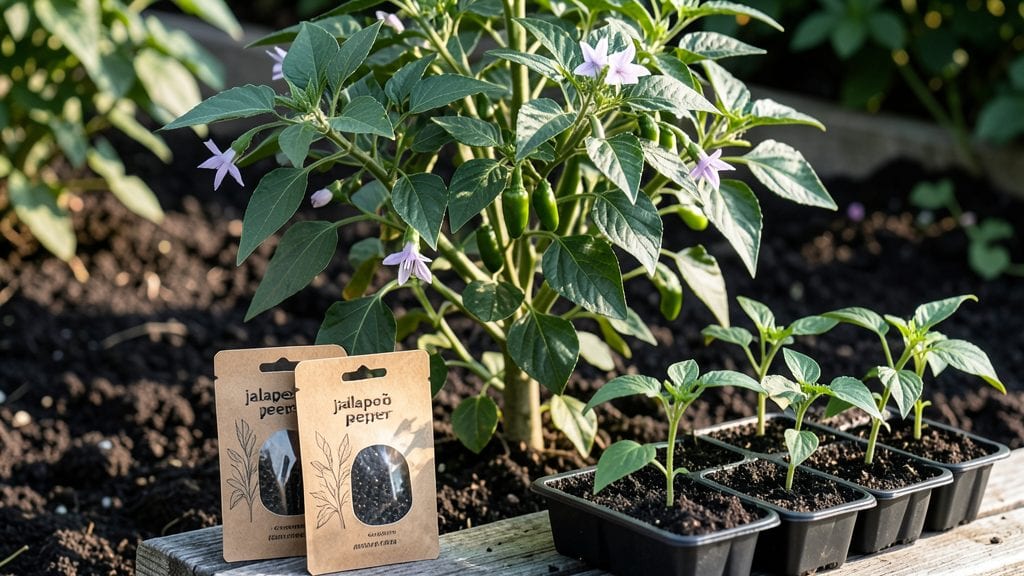
Seeding jalapeno peppers indoors guarantees a head start on fiery harvests, and I’ve perfected the method that skips the guesswork. The key? A warm, consistent environment and just the right touch when it comes to soil and spacing—no cold frames or complicated setups needed.
My first batch of seedlings emerged in 8 days using this approach, and I’ve never looked back.
You’ll need a shallow tray or small pots, a lightweight seed-starting mix, and a heat mat or sunny windowsill to keep things cozy. Jalapenos hate dampness, so we’ll use a mix that drains well and keep the soil barely moist until those first green shoots appear.
The trick is patience—these seeds need warmth more than water, and they’ll pop up reliably if you keep them between 75-85°F.
Once they sprout, you’ll watch those tiny seedlings transform into sturdy plants ready for transplanting in just 6-8 weeks. The first true leaves will be a rich, deep green, and the roots will spread quickly if you give them enough space.
No more weak, leggy seedlings—just strong starts that thrive from day one.
This works whether you’re starting in March or April, and it adapts to any indoor space. The only rule? Don’t rush it—jalapenos reward careful attention with plants that produce plenty of heat all season long. Let’s get those seeds going the right way.
📚 In This Guide
- What you need
- Instructions
- Tips and common mistakes
- Wrapping up and next steps
What you need
- ● Jalapeño seeds: 10–20 seeds (or a seed packet—most contain 10–50 seeds). Choose heirloom or organic for best flavor!
- ● Seed-starting trays or pots: 4–6" deep, with drainage holes (or biodegradable peat pots). Pro tip: Use 1–2 seeds per pot for easy transplanting!
- ● Seed-starting mix: Lightweight, sterile mix (avoid garden soil—it’s too dense!). Look for peat-based or coco coir blends.
- ● Grow lights or sunny windowsill: Jalapeños need 12–16 hours of light/day. A full-spectrum LED grow light (12–24W) works best if natural light is limited.
- ○ Heat mat (optional but helpful): A seedling heat mat (70–80°F range) speeds up germination—especially if your home runs cool.
- ● Spray bottle: With water (or a misting nozzle) to keep seeds moist without drowning them.
- ● Plastic wrap or humidity dome: To retain moisture while seeds sprout (remove once germination starts!).
- ● Fertilizer: A balanced, water-soluble fertilizer (5-5-5 or 10-10-10) diluted to half-strength for seedlings.
- ● Warmth: Ideal germination temp: 75–85°F. If your home dips below 65°F, a heat mat is your best friend! ❄️➡️🔥
- ● Patience: Germination takes 7–21 days—jalapeños are slower starters than some peppers!
- ● Space: Seedlings need at least 4–6 inches of space between plants once they’re 2–3 inches tall.
- ● Time: Dedicate 10–15 minutes/day for monitoring moisture, light, and growth.
- ● pH test kit: Keep soil pH between 6.0–6.8 for optimal nutrient uptake.
- ● Growth charts: Track seedling progress with a jalapeño growth guide (or take weekly photos!).
- ● Epsom salt: A pinch in water (1 tsp/gallon) boosts magnesium for lush foliage.
- ● Compost tea: A natural immune booster for young seedlings.
Step-by-Step instructions for seeding jalapeno peppers
Here’s how to coax those fiery little seeds into sturdy plants—no fancy tricks required.
Prepare Containers and Warmth for Germination
Fill small pots or seed trays with the seed-starting mix—it should be moist but not soggy, like a wrung-out sponge. Jalapenos need warmth to germinate, so place your containers on a seedling heat mat set to 75-85°F. If you don’t have a mat, nestle them in a warm spot like on top of your fridge or near a sunny window with a clear plastic dome to trap heat.
Press the mix down lightly so the surface is firm but not packed. You’re creating a cozy bed where those tiny seeds can stretch toward the light without struggling. Label each pot with the date and variety—jalapenos can take 10-14 days to sprout, and patience is key. Keep the mix consistently moist during this time, but avoid drowning it; excess water can suffocate seeds before they even wake up.
Sow Seeds at the Right Depth and Cover Lightly
Plant 2-3 seeds per pot just ¼ inch deep—about the width of your pinky nail. Sowing too deep forces seedlings to work harder to break through, which can delay germination or leave them weak. Gently tap the soil around the seeds to ensure good contact, then mist the surface with a spray bottle until evenly damp.
Cover the pots loosely with plastic wrap or a humidity dome to lock in moisture and warmth. This creates a mini greenhouse effect, which jalapenos love during their first days. Place the pots in indirect light for now—they’ll need bright conditions soon, but direct sun before germination can overheat the soil. Check daily for condensation on the plastic; if it’s dripping, remove the cover for 10 minutes to let excess moisture escape.
Provide Bright Light and Monitor for Sprouts
Once seeds sprout—you’ll see tiny green hooks breaking through the soil—move the pots to a south-facing window or under grow lights for 14-16 hours of light daily. Jalapenos hate leggy growth, so keep the lights 2-3 inches above the seedlings and raise them gradually as the plants grow. If you notice stems stretching toward the light like toothpicks, your light source is too far away.
Water gently from the bottom by placing pots in ½ inch of water for 10-15 minutes—this prevents disturbing the delicate roots. Keep the soil lightly moist but never soggy; jalapenos despise wet feet. After 2-3 weeks, when seedlings have 2-3 true leaves, thin them to the strongest one per pot. Snip the extras at the base with scissors to avoid disturbing the roots of the ones you’re keeping.
Harden Off Seedlings Before Transplanting
About 2 weeks before your last frost date, start hardening off your seedlings by placing them outside in a sheltered spot for 1-2 hours the first day. Gradually increase their outdoor time over 7-10 days, eventually leaving them out 24 hours. This toughens their skin so they don’t get shocked by the real world. Choose an overcast day for the final transplant to reduce stress on the plants.
Dig holes twice as wide as the root ball and plant seedlings at the same depth they were in their pots. Space them 18 inches apart in rows 24 inches apart to give them room to spread. Water deeply after planting to settle the soil and encourage root growth. Mulch around the base with 1-2 inches of straw to retain moisture and keep weeds at bay.
Tips & tricks for stress-free jalapeno germination
Jalapeno seeds have specific needs that can make or break your germination success. Here are the key tricks to ensure those fiery little plants get off to the right start.
Warmth is Non-Negotiable: The 75-85°F temperature range from Step 1 is critical—jalapenos won't germinate well below 70°F. If your home stays cool, consider using a small space heater near the pots (just don't let it blow directly on them). I've seen germination rates drop by half when seeds sit in temperatures below 72°F. Place your pots on top of your fridge or near a sunny window during the day, then move them to a warmer spot at night.
Light Management Matters: In Step 3, when you move seedlings to bright light, position them within 2-3 inches of the light source. I've learned this the hard way—when lights are too far away, seedlings stretch toward them like toothpicks, creating weak stems that can't support themselves. Use a ruler to measure the distance and adjust your grow lights every few days as seedlings grow. A south-facing window works, but if your windows are small, supplement with a simple LED grow light for those 14-16 hours of daily light.
Moisture Balance is Key: The 10-15 minutes of bottom-watering in Step 3 is perfect for maintaining consistent moisture without overwatering. To check moisture levels, stick your finger about ½ inch into the soil—it should feel damp but not wet. If you notice condensation dripping from your humidity dome in Step 2, remove it for 10 minutes to prevent mold growth. I've had to start over twice when mold took hold from too much moisture during germination.
Thinning Technique: When you thin to the strongest seedling in Step 3, use sharp scissors to snip at the base rather than pulling. This prevents disturbing the roots of your chosen seedling. I've found that seedlings left too close together compete for nutrients, leading to weaker plants. After thinning, give your remaining seedling a gentle watering to help it recover from the stress.
Pro Tips for Seeding Jalapeno Peppers
- Jalapeno seeds have specific needs that can make or break your germination success.
- Warmth is Non-Negotiable: The 75-85°F temperature range from Step 1 is critical—jalapenos won't germinate well below 70°F.
- Light Management Matters: In Step 3, when you move seedlings to bright light, position them within 2-3 inches of the light source.
Frequently asked questions
Got questions about seeding jalapeño peppers?
You’re not alone! Here are answers to the most common concerns—so you can grow fiery, flavorful peppers with confidence.
How long does it take for jalapeño seeds to germinate?
Jalapeño seeds typically sprout in 7–21 days when kept in warm (70–85°F), moist conditions. Patience is key—some varieties (like heirlooms) may take longer. Use a heat mat if your home runs cooler to speed things up!
Do jalapeño seeds need cold stratification?
Nope! Unlike some peppers, jalapeños don’t require cold treatment. They’re tropical and thrive in warmth. Just plant them in a cozy spot (like a seedling tray with a heat mat), and they’ll pop up faster than you can say “spicy salsa.”
What if my seeds rot instead of sprouting?
Overwatering or poor drainage is usually the culprit. Keep soil moist but not soggy—think “damp sponge,” not swamp. Use a tray with drainage holes and avoid letting seeds sit in water. If rot happens, try again with fresh seeds and a lighter touch!
When’s the best time to transplant seedlings outdoors?
Wait until nighttime temps stay above 50°F (usually after the last frost). Seedlings need 4–6 weeks indoors first to build sturdy stems. Harden them off by gradually exposing them to outdoor conditions for 1–2 weeks before planting.
Can I use store-bought jalapeño seeds, or should I save my own?
Store-bought seeds (from reputable sellers) are reliable and consistent, while saving seeds from grocery-store peppers is hit-or-miss—they’re often hybrid and may not produce true-to-type peppers. For guaranteed spice, opt for seeds labeled “jalapeño” or “heirloom.”
Wrapping up and next steps
Seeding jalapeño peppers is all about patience, warmth, and a little know-how—no cold tricks required! 🌱 By following these simple steps, you’ll unlock a bountiful harvest of fiery, flavorful peppers in no time.
Whether you’re a seasoned gardener or a curious beginner, your green thumb is just a seed away from success.
Ready to take the next step? Grab your seeds, set up your warm spot, and watch those tiny sprouts transform into thriving plants. Happy growing—your kitchen (and taste buds) will thank you! 🌶️✨