
Watering
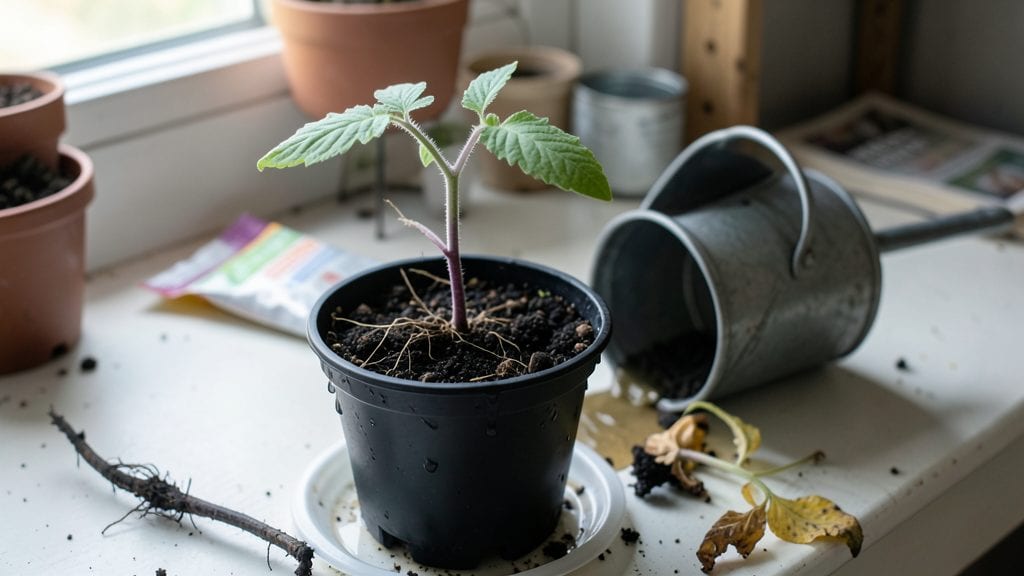
Mistakes in seedling growth can silently sabotage your garden before you even see the first true leaves.
Your seedlings might be silently struggling—yet you’re blaming poor soil or pests. The truth? Common growth mistakes often go unnoticed until it’s too late, leaving you with wilted or stunted plants before they even reach maturity.
Overwatering, inconsistent light, or temperature swings are the sneakiest culprits, and they’re easier to fix than you think.
In Zone 6a, where spring planting runs from March to April, these errors can turn a promising tray of 🌱 into a sad pile of mush. But here’s the good news: knowing the warning signs and how to adjust your care can turn things around fast.
Below, I’ll walk you through the five most common seedling growth mistakes—and exactly how to correct them before your plants hit their prime. No guesswork, just actionable steps to get your seedlings thriving.


5 Silent seedling growth mistakes that destroy plants before germination
Your seedlings might be silently struggling—yet you’re blaming poor soil or pests. The truth? Common growth mistakes often go unnoticed until it’s too late, leaving you with wilted or stunted plants before they even reach maturity.
These silent killers—like overwatering or temperature fluctuations—can sabotage your hard work before the first true leaves even appear.
I’ve seen countless gardeners lose entire batches of seedlings to these overlooked issues. The good news? Once you recognize these mistakes, fixing them is simple. Let’s dive into the top 5 silent seedling killers and how to prevent them from ruining your next growing season.
- Overwatering: Drowning seeds with excess moisture cuts off oxygen, causing rot and mold. Use well-draining soil and water only when the top inch feels dry.
- Improper Light Exposure: Seedlings stretched toward light (etiolation) or weak stems mean they’re not getting enough bright indirect light. Place trays near a south-facing window or use grow lights 12-16 hours daily.
- Temperature Fluctuations: Seeds need consistent warmth (65-75°F) to germinate. Avoid placing trays near drafts, air conditioners, or cold windows. Use a seedling heat mat if needed.
- Nutrient Deficiencies: Over-fertilizing or using salty fertilizers burns delicate roots. Start with sterile seed-starting mix and wait until true leaves appear before adding a balanced 5-10-10 fertilizer.
- Poor Air Circulation: Stagnant air encourages fungal diseases like damping-off. Space seedlings 1-2 inches apart and use a small fan on low setting to improve airflow.
Let’s start with the most common mistake: overwatering. I’ve seen gardeners drown their seeds by keeping soil soggy, thinking it helps germination. The reality? Excess moisture suffocates seeds and promotes root rot.
Always use a well-draining seed-starting mix and water only when the top inch of soil feels dry to the touch. A spray bottle works best for gentle hydration.
Next, improper light exposure is a silent killer. Seedlings stretched toward light with weak stems? That’s etiolation, a sign they’re starving for bright indirect light. If your seedlings look leggy, move them closer to a south-facing window or invest in a LED grow light.
Keep lights 2-4 inches above seedlings for optimal growth.
Don’t overlook temperature fluctuations. Seeds need consistent warmth (65-75°F) to germinate. Avoid placing trays near drafty windows or air vents. If your home runs cold at night, use a seedling heat mat to maintain ideal temperatures. Most seeds won’t germinate if soil temps drop below 60°F.
Nutrient deficiencies are another silent destroyer. Over-fertilizing or using salty fertilizers can burn delicate roots before they even establish. Start with sterile seed-starting mix and wait until true leaves appear before adding a light fertilizer. A balanced 5-10-10 mix applied at half-strength is perfect for seedlings.
Lastly, poor air circulation creates the perfect conditions for fungal diseases like damping-off. Stagnant air traps moisture, leading to mold and seedling death. Space seedlings 1-2 inches apart and use a small fan on low setting to improve airflow. This simple trick can save your entire batch!
Fixing these mistakes is easier than you think. Start by adjusting your watering routine, ensuring proper light exposure, and maintaining stable temperatures. With these changes, your seedlings will thrive from day one. Happy growing!
How to diagnose and fix common seedling problems by visual clues
Seedlings often send subtle signals when something’s wrong—yellowing leaves, stunted growth, or moldy soil—but many gardeners miss them until it’s too late. Learning to read these visual cues early can save your entire crop.
The key is understanding what each symptom means and how to correct it before the damage spreads. For example, dark, mushy stems usually mean overwatering, while purple stems signal a phosphorus deficiency.
I’ve diagnosed and fixed these issues countless times in my own garden, and I’ll walk you through the most common problems and their solutions.
Start by examining your seedlings under bright, natural light to spot early warning signs. Check the soil surface, stem texture, and leaf color—these three areas reveal the most about your seedlings’ health.
If you notice black spots on leaves, it’s likely fungal disease from excess moisture. If the leaves are curling inward, your seedlings might be underwatered or stressed by heat. The sooner you catch these issues, the easier they are to fix.
I always keep a small notebook nearby to track changes in my seedlings’ appearance, which helps me spot patterns and act quickly.
⚠️ Common Seedling Growth Mistakes You’re Probably Making
Overwatering: Soggy soil and yellow, wilted leaves mean your seedlings are drowning. Fix: Let the top inch of soil dry out between waterings and ensure pots have drainage holes.
Insufficient Light: Leggy, pale stems reaching for light? Your seedlings need 6+ hours of bright light daily. Fix: Move them closer to a south-facing window or use grow lights 12 inches above.
Poor Soil Drainage: Compacted or clay-heavy soil traps moisture, leading to root rot. Fix: Mix in perlite or vermiculite to improve aeration and drainage.
Temperature Fluctuations: Cold drafts or heat sources (like radiators) stress seedlings. Fix: Keep them in a stable 65-75°F environment, away from windows or vents.
One of the first steps I take when diagnosing a problem is testing the soil. A simple pH test kit (available for under $10) can tell you if your soil is too acidic or alkaline, which affects nutrient uptake.
Most seedlings thrive in a pH range of 6.0 to 7.0. If your test shows a pH outside this range, you can adjust it by adding lime to raise pH or sulfur to lower it.
I also recommend using a moisture meter to avoid guesswork—it’s a game-changer for preventing overwatering or underwatering. For instance, if your meter reads dry but the soil looks moist, it might indicate compacted soil preventing water absorption.
Light is another critical factor that’s often overlooked. Seedlings stretched toward a window with long, weak stems are a classic sign of etiolation, caused by insufficient light. To fix this, I place my seedlings under LED grow lights for 14-16 hours a day.
If you don’t have grow lights, rotate your trays quarter-turn daily so all seedlings get even exposure. Avoid placing them near west-facing windows, as the intense afternoon sun can scorch tender leaves. Instead, opt for east or south-facing windows for gentle, consistent light.
Pests and diseases often appear as tiny holes in leaves, white webbing, or powdery coatings. Aphids, fungus gnats, and damping-off (a fungal disease) are common culprits. For aphids, spray seedlings with a soapy water solution (1 tsp mild soap per quart of water).
For fungus gnats, let the soil dry out slightly between waterings and avoid over-fertilizing. If you spot damping-off, remove affected seedlings immediately and sterilize your trays with a 10% hydrogen peroxide solution to prevent spread.
Prevention is key—always sterilize tools and use fresh, sterile soil for each batch of seedlings.
Finally, don’t underestimate the power of observation and consistency. Keep a seedling care journal to note when you water, fertilize, and adjust light. This helps you spot patterns, like how your seedlings react to different temperatures or soil mixes.
For example, I noticed my tomato seedlings grew faster when I added a thin layer of compost to their soil, while my pepper seedlings thrived with a light misting instead of deep watering. Small adjustments based on what you observe can make a huge difference in survival rates.