
Flowers
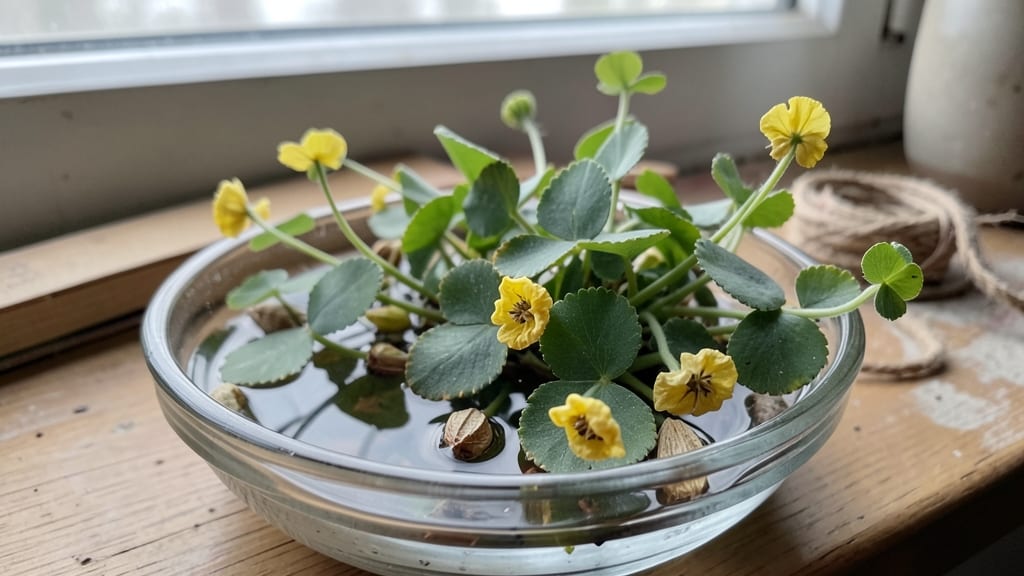
Floating seeds often indicate poor viability because their lightweight structure prevents them from absorbing enough moisture to sink, though some species naturally resist submersion due to thick seed coats. A 24-hour water test reveals their potential for sprouting before planting.
This simple water test works because viable seeds usually absorb moisture quickly, increasing their density and causing them to sink. 💫 For example, tomato seeds almost always sink since they're dense and absorb water readily, while basil seeds often float due to their hollow centers.
However, some exceptions exist—like certain orchid seeds—which naturally float but can still germinate with proper care.
If a seed floats, don't discard it immediately. Many can still sprout with extra preparation, such as pre-soaking in warm water or using a paper towel germination method. The key is understanding your specific seed type—some just need a little extra encouragement to break dormancy.
💡 In This Article
- The Science Behind Floating Seeds
- Natural Viability Tests for Floating Seeds
The science behind floating seeds
Here's what's actually happening when seeds float: their internal structure and moisture content determine whether they'll sink or stay afloat. Viable seeds typically have dense, moisture-filled embryos that increase their weight, causing them to sink within 24 hours.
The seed coat's permeability also matters—thin coats absorb water faster, while thick, waxy coatings (like those on some herbs) create air pockets that keep seeds buoyant. 🔥
Take tomato seeds as a perfect example: their dense, gelatinous coating absorbs water immediately, making them sink within minutes. Conversely, basil seeds often contain hollow centers or air chambers that prevent water absorption, causing them to float.
Even some flower seeds (like certain orchids) naturally float due to lightweight, fibrous structures designed for wind or water dispersal. The key factor is the seed's specific gravity—the ratio of its density to water—which must exceed 1.0 to sink.
What most people don't realize is that floating seeds aren't always doomed. The science behind this involves seed coat permeability and internal air spaces.
For instance, some herbs like dill or fennel have seeds with thick membranes that trap air, making them float—but these same seeds can still germinate if given the right conditions. The water test primarily reveals whether the seed's embryo is hydrated enough to initiate germination, not whether it's inherently viable.
Temperature and seed size also play subtle roles. Larger seeds (like beans) have more mass, making them more likely to sink even if partially hollow. Smaller seeds (like those from lettuce or carrots) may float due to their lightweight structure.
In tropical climates, many seeds evolve to float naturally, as they rely on water currents for dispersal—these seeds often have waterproof coatings that prevent premature germination until they reach suitable soil.
Consider these key factors when interpreting your water test results:
- Seed type: Vegetable seeds (tomatoes, peas) usually sink, while herb seeds (basil, dill) often float
- Seed coat thickness: Thick coats = more likely to float; thin coats = faster sinking
- Internal structure: Hollow or air-filled seeds float; dense, water-absorbing seeds sink
- Testing duration: Observe for 24 hours—some seeds sink slowly over time
The most fascinating exceptions are seeds from aquatic plants or those adapted to water dispersal. For example, lotus seeds can float for years while maintaining viability, thanks to their impermeable seed coats that only break down in specific conditions.
This adaptation explains why some "floating" seeds might still surprise you with germination if given the right environment. 💫