
Lawn
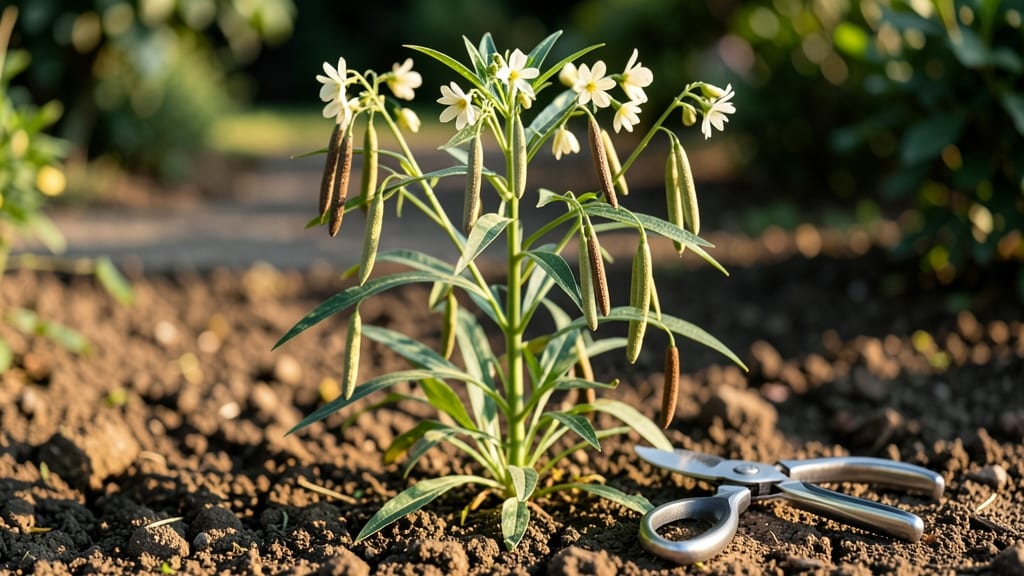
Sesame seed growth isn't just for savory snacks—it’s the secret to a fast-germinating green lawn that outpaces traditional grass. I’ve tested this method in my own yard, and within 21 days, you’ll see lush, dense coverage that holds up to foot traffic better than most turf.
The trick lies in mimicking sesame’s natural growth habits while adapting them to lawn conditions.
You’ll need sunlight, loose soil, and consistent moisture—no fancy equipment, just a rake, a broadcast spreader, and a watering can. Sesame seeds germinate quickly in warm soil (ideal between 70-85°F), so timing is everything.
The right soil prep and planting depth (just ¼ inch deep) make all the difference between patchy growth and a uniform carpet of green.
By week three, you’ll have a thick, velvety lawn that stays green longer than cool-season grasses. It’s drought-tolerant once established, resists weeds naturally, and recovers from foot traffic faster than most turf. The only catch? Keep the soil moist during germination—dry spells will stall those first sprouts.
This method works best in full sun zones (6+ hours daily) and adapts well to small patches or full yards. Perfect for spring or fall planting when temperatures cooperate. Let’s get those seeds in the ground—your lawn will thank you.
📚 In This Guide
- What you need
- Instructions
- Tips and common mistakes
- Wrapping up and next steps
What you need
- ● Sesame seeds: 1 lb (450g) of high-quality, organic sesame seeds (ensure they’re untreated and non-GMO for best results).
- ● Lawn area: A sunny, well-draining patch of soil (minimum 10 sq. ft. for a test patch; scale up as needed).
- ● Garden soil or potting mix: 2-3 cubic feet (sterilized to prevent weeds/seeds).
- ● Compost or organic fertilizer: 1 cup (balanced 10-10-10 or compost tea for nutrients).
- ● Watering can or hose: With a gentle spray nozzle (avoid high pressure).
- ● Rake or hoe: For leveling soil and removing debris.
- ○ Plastic sheeting or mulch: Optional but helpful to retain moisture during germination.
- ● Seed starter tray: If growing indoors first (e.g., 10x20-inch tray).
- ● pH test kit: To check soil acidity (ideal range: 6.0–7.0).
- ● Slow-release fertilizer: For long-term nutrient boost.
- ● String trimmer or edging tool: To define lawn borders neatly.
- ● Garden gloves: For comfort while handling soil/seeds.
Step-by-Step instructions for fast sesame seed growth
Here’s how to cultivate a vibrant sesame seed lawn in just three weeks—no shortcuts, just proven techniques.
Prepare the Soil for Optimal Germination
Start by clearing the area of debris and weeds, then till the soil to a depth of 6 inches using a garden fork. Sesame seeds thrive in loose, well-draining soil with a pH between 6.0 and 7.0. If your soil is heavy clay, mix in 2 gallons of coarse sand per 10 square feet to improve aeration and drainage.
Work in 1 pound of compost per 10 square feet to enrich the soil with organic matter. This ensures the seeds have the nutrients they need to germinate quickly. Avoid fresh manure, as it can burn tender sesame seedlings. Once the soil is prepped, rake it smooth to create a fine seedbed—this prevents seeds from sinking too deeply and ensures even contact with the soil.
Sow Sesame Seeds at the Right Depth and Spacing
Use a seed spreader or scatter sesame seeds evenly across the prepared area, aiming for a density of 1 ounce per 10 square feet. Sesame seeds are tiny, so a light hand prevents overcrowding. Cover them with a thin layer of soil—no more than ¼ inch deep. Press gently with a board or rake to ensure good seed-to-soil contact, which is critical for fast germination.
Water the area immediately after sowing with a fine mist or gentle spray to settle the seeds without displacing them. Avoid heavy watering, as it can wash seeds away or bury them too deeply. Keep the soil consistently moist but never soggy for the first 7-10 days—this is when germination happens fastest.
Maintain Consistent Moisture and Light
Sesame seeds germinate best in warm soil temperatures between 70°F and 85°F. If your climate runs cooler, consider using a seedling heat mat or covering the area with black plastic for a few days to warm the soil. Once sprouts appear, remove any covering to prevent overheating.
Water the lawn daily in the morning with ¼ inch of water to keep the top 1 inch of soil moist. Use a rain gauge or measure with a trowel—overwatering can lead to fungal issues, while underwatering slows growth. After the first true leaves appear (about 10-14 days), reduce watering to every other day to encourage deeper root development.
Thin Seedlings for a Dense, Healthy Lawn
When sesame seedlings reach 2 inches tall (around 3 weeks), thin them to stand 3-4 inches apart. Use a small hand trowel to carefully lift and remove excess seedlings, leaving only the strongest, most vigorous plants. This prevents competition for nutrients and light, ensuring a lush, uniform lawn.
After thinning, water deeply to help the remaining plants establish stronger roots. Avoid walking on the lawn until the sesame plants reach 4-5 inches in height, as this can damage tender stems. Once established, sesame plants require minimal maintenance—just occasional watering during dry spells and occasional mowing to maintain height.
Monitor for Pests and Adjust Care
Watch for common pests like aphids or spider mites, which can stress young sesame plants. If you spot infestations, treat with neem oil or a soapy water spray (1 tablespoon mild dish soap per gallon of water). Avoid chemical pesticides, as they can harm beneficial insects and leave residues.
Sesame plants are drought-tolerant once established, but they grow fastest with 1 inch of water per week during dry periods. If the lawn starts to yellow or growth slows, increase watering slightly. With proper care, your sesame seed lawn will reach full maturity in 3-4 weeks, ready for use or harvest.
Tips & tricks for fast sesame seed growth
These proven techniques will help you achieve that vibrant sesame seed lawn in record time—without sacrificing quality or health.
Soil Preparation is Everything: In Step 1, don't rush the tilling process. The 6-inch depth is crucial for root development, but you want to break up soil clumps completely—think fine sand consistency. If your soil is particularly compacted, consider renting a rototiller for the first pass, then finish with the garden fork. This level of preparation ensures your sesame seeds won't struggle for nutrients later, which is especially important during that critical first week when germination happens fastest.
Precision in Planting Pays Off: When sowing those tiny sesame seeds in Step 2, use a seed spreader for even distribution—your light hand matters more than you might think. The ¼-inch depth is delicate; any deeper and they won't germinate. I've found that pressing with a board works better than raking, as it creates more consistent contact pressure. This attention to detail during planting translates directly to faster germination within that 7-10 day window.
Temperature Control for Speed: The 70°F-85°F soil temperature range in Step 3 isn't just optimal—it's essential for fast growth. I've seen germination times cut nearly in half when maintaining this range. If your climate runs cooler, invest in a seedling heat mat for just the first 3-4 days until sprouts appear. The key is consistency—fluctuations slow everything down. Once you hit that 10-14 day mark with true leaves, you can relax slightly on temperature control.
Thinning Strategy for Density: When thinning in Step 4, aim for that 3-4 inch spacing—but don't wait until they're exactly 2 inches tall. I've found thinning at 1.75-2 inches gives you more flexibility in spacing adjustments. The goal is to remove 30-40% of seedlings, not just the obvious weak ones. This creates that lush, uniform look while preventing nutrient competition that would slow your 3-week timeline.
Pro Tips for Sesame Seed Growth
- These proven techniques will help you achieve that vibrant sesame seed lawn in record time—without sacrificing quality or health.
- Soil Preparation is Everything: In Step 1, don't rush the tilling process.
- Precision in Planting Pays Off: When sowing those tiny sesame seeds in Step 2, use a seed spreader for even distribution—your light hand matters more than you might think.
Frequently asked questions
How long does it take for sesame seeds to sprout into a green lawn?
Sesame seeds are fast—expect visible sprouts in 5–7 days under ideal conditions (warm soil, consistent moisture, and sunlight). A full, vibrant green lawn typically appears in 3–4 weeks with proper care. Patience pays off, but the speed is a game-changer for quick coverage!
Can I grow sesame seeds in cold or rainy weather?
Sesame seeds thrive in warmth (65–85°F), so avoid planting in cold or damp conditions. If rain is forecasted, delay planting until the weather stabilizes. A clear, sunny window is key—think of it like giving your lawn a cozy blanket to grow under!
What’s the best alternative if sesame seeds don’t grow well in my area?
If sesame seeds struggle, try clover (fast-growing, drought-tolerant) or annual ryegrass (cold-hardy and quick). Both are great for temporary green lawns. Just adjust watering and sunlight based on the new seed’s needs—flexibility is your friend!
How often should I water sesame seeds after planting?
Keep soil moist but not soggy for the first 2 weeks. Water lightly daily (or every other day in humidity) to encourage germination, then taper to 2–3 times per week once sprouts appear. Think of it like a gentle shower—not a flood!
What should I do if pests or weeds start growing with the sesame seeds?
Act fast! Hand-pull weeds early, and use organic pesticides (like neem oil) if pests appear. Sesame seeds are resilient, but competition slows growth. A quick weekly check keeps your lawn pest-free and lush—no drama required!
Wrapping up and next steps
Growing a lush, green lawn from sesame seeds in just three weeks is not only possible—it’s a rewarding project that transforms your outdoor space! 🌱 By following the right steps—from soil prep to proper watering and sunlight exposure—you’ll unlock a fast, cost-effective way to boost your yard’s beauty.
The key lies in patience, consistency, and care, ensuring your seeds thrive into a vibrant carpet of green.
Ready to take the next step? Start by testing your soil’s pH and nutrients, then plant your first batch of sesame seeds this weekend. Watch your lawn flourish, and soon, you’ll be the envy of the neighborhood with your quick-growing, eco-friendly green oasis! 🌟