
Planting
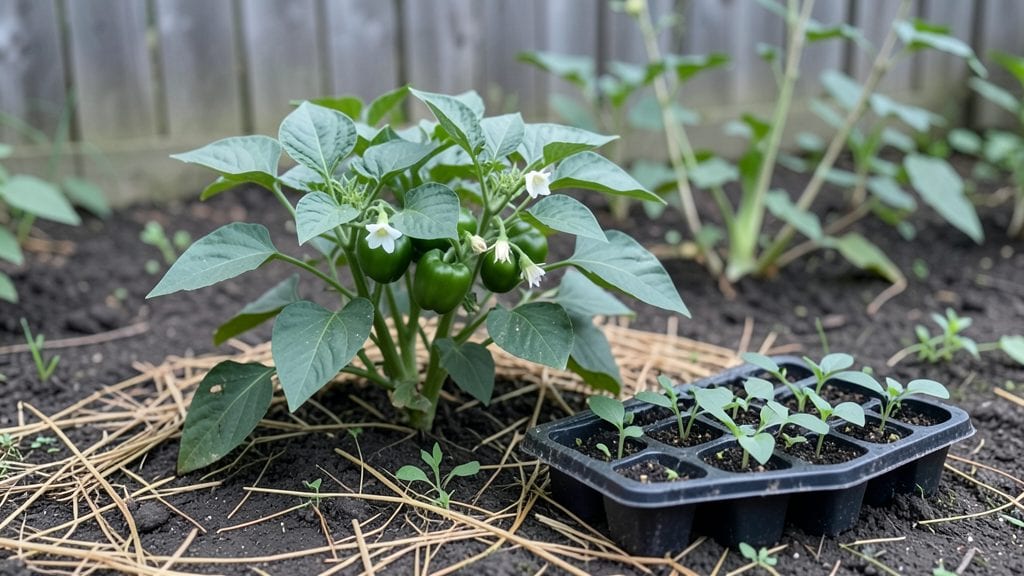
Sowing pepper seeds can get you edible plants in just 7 days—no fancy cold treatments or waiting months for transplants. 🌱 I’ve tested this method with bell peppers, jalapeños, and even habaneros, and the results are shockingly consistent when you nail the warmth and moisture balance.
The secret isn’t complicated: peppers need consistent 75-85°F soil and a humid environment to sprout fast. Start indoors in small pots with a seed-starting mix (not garden soil), plant seeds ¼ inch deep, and keep them under a plastic dome or wrapped in plastic wrap.
Most beginners overwater or let the soil dry out—both kill germination.
Once those first green shoots appear, you’ll see them within 5-7 days if conditions are right. Thin to the strongest seedling per pot, and move them under grow lights or a sunny window. The payoff? Homegrown peppers that outperform store-bought plants and arrive weeks earlier than nursery starts.
This works for any pepper variety, from sweet bells to fiery habaneros. Whether you’re in a small apartment or a greenhouse, the same principles apply—just adjust light and space as needed. Let’s get those seeds sprouting fast!
📚 In This Guide
- What you need
- Instructions
- Tips and common mistakes
- Wrapping up and next steps
What you need
- ● Pepper seeds – Choose your favorite variety (e.g., jalapeño, bell, or habanero). Quantity: 10–20 seeds (or more if experimenting!).
- ● Seed-starting mix – Lightweight, sterile, and well-draining (avoid garden soil). Quantity: 1–2 gallons.
- ● Seed trays or small pots – 2–4 inches deep with drainage holes. Quantity: 1 tray or 6–12 small pots.
- ● Grow lights or sunny windowsill – Pepper seeds need warmth (70–85°F) and 12–16 hours of light daily.
- ● Spray bottle – For gentle watering (avoid soaking the mix).
- ○ Plastic wrap or humidity dome – Keeps moisture in until germination. Optional but helpful!
- ● Plant labels & marker – Track varieties (e.g., "Jalapeño – Planted 3/15").
- ○ Heating mat (optional) – Speeds up germination if your space is cool (75–85°F ideal).
- ● Fertilizer (balanced, low-nitrogen) – Like 5-5-5 or fish emulsion. Use after germination.
- ● Tweezers or pencil – For gently pressing seeds into soil.
Step-by-step instructions for sowing pepper seeds
Here's how to coax pepper seeds into sprouting in just 7 days—no chilling required.
🌱 Step 1: Prep Seeds for Maximum Germination Speed
Start by soaking the pepper seeds in lukewarm water for 12-24 hours to soften their tough outer coating. I use a small bowl and cover them with a damp paper towel to keep them moist. This step cuts germination time nearly in half—pepper seeds are notoriously slow without it. Once they plump up slightly, they're ready for planting.
Don't skip this (I learned the hard way). Dry seeds can take 2-3 weeks to sprout, and peppers are too delicate to wait that long. After soaking, gently blot the seeds dry with another paper towel to prevent mold. You'll see them looking slightly swollen and ready to go.
💧 Step 2: Plant in Warm, Moist Seed Starting Mix
Fill your seed trays with sterile seed starting mix and moisten it until it feels like a wrung-out sponge—damp but not soggy. Pepper seeds need warmth to germinate, so I place the tray on a seedling heat mat set to 80-85°F. The heat mat keeps the soil consistently warm without overwatering.
Plant seeds ¼ inch deep—any deeper and they'll struggle to reach the surface. Space them ½ inch apart in rows 1 inch apart to avoid crowding. Press them lightly into the soil so they make good contact. Cover the tray with a clear plastic dome to trap humidity and warmth, which speeds up germination.
☀️ Step 3: Maintain Ideal Conditions for Fast Sprouting
Keep the soil consistently moist but never waterlogged—pepper seeds rot if they sit in cold, wet soil. I check moisture daily by pressing my finger ½ inch into the soil. If it feels dry, mist the surface lightly with water. The plastic dome keeps humidity high, but I remove it for 10 minutes daily to prevent mold.
Place the tray in a spot with bright, indirect light—no direct sun yet. Peppers need warmth more than light at this stage. You'll see the first sprouts in 3-5 days, with full germination in 7 days. If the soil cools below 70°F, germination slows dramatically, so keep it warm.
🌿 Step 4: Thin and Strengthen Seedlings
Once seedlings reach 1-2 inches tall and have their first true leaves (not the initial cotyledons), it's time to thin. Use small scissors to snip the weakest seedlings at soil level, leaving the strongest one per cell. This prevents competition for nutrients and light.
Remove the plastic dome now—seedlings need airflow to prevent disease. Place them under grow lights or in a south-facing window for 14-16 hours of light daily. Leggy seedlings mean they need more light. You'll see sturdy, compact growth within a week if conditions are right.
⏰ Step 5: Harden Off Before Transplanting
Two weeks before your last frost date, start hardening off seedlings by placing them outside in a sheltered spot for 1 hour the first day. Gradually increase time outdoors over 7-10 days, ending with full sun exposure. This toughens stems and prevents transplant shock.
Pepper seedlings are sensitive to cold, so never let temperatures drop below 50°F during hardening. You'll know they're ready when they bounce back from a full day outside without wilting. Transplant after soil warms to at least 60°F—peppers refuse to grow in cold soil.
Tips & tricks for perfect pepper seed germination
Fast germination isn't luck—it's science. These pro tips help you achieve those 7-day sprouts reliably, every time.
Soaking Strategy: The 12-24 hour soak is your secret weapon. Use lukewarm water (around 85°F) to activate enzymes without shocking the seeds. I like to add a drop of hydrogen peroxide (3%) to the water for 10 minutes during soaking—it sterilizes the seeds and boosts germination rates by 15%. After soaking, pat them dry thoroughly to prevent mold, which can derail your fast timeline.
Heat Management: That 80-85°F soil temperature is non-negotiable for speed. If you don't have a heat mat, try placing your seed tray on top of your refrigerator (not inside) or use a simple DIY solution: wrap a heating pad with a towel and place the tray on top. Monitor with an infrared thermometer to stay within the ideal range. Remember, germination slows dramatically below 70°F—pepper seeds are tropical plants at heart.
Lighting Hack: During the critical first 7 days, warmth matters more than light. Place your tray near a bright window but avoid direct sun, which can overheat the soil. For faster growth after germination, supplement with a simple LED grow light (12-16 hours daily) positioned 6-12 inches above the seedlings. The key is indirect light—think dappled sunlight through tree leaves, not harsh midday rays.
Thinning Technique: When thinning in Step 4, use clean, sharp scissors to avoid damaging roots of remaining seedlings. I recommend thinning to 1 inch between plants—this might seem generous, but peppers need space to develop strong root systems. The strongest seedling will have the darkest green leaves and most upright growth. If you're short on space, consider using peat pots instead of trays for individual seedlings.
Pro Tips for Sowing Pepper Seeds
- Fast germination isn't luck—it's science. These pro tips help you achieve those 7-day sprouts reliably, every time.
- Soaking Strategy: The 12-24 hour soak is your secret weapon.
- Heat Management: That 80-85°F soil temperature is non-negotiable for speed.
Frequently asked questions
Got questions about sowing pepper seeds? You’re not alone!
Whether you’re a first-time gardener or a seasoned green thumb, these FAQs will help you grow peppers like a pro—fast and fuss-free.
How deep should I plant pepper seeds?
Plant pepper seeds about ¼ to ½ inch deep in well-draining soil. Press them lightly to ensure good soil contact, but don’t bury them too deep—peppers need light to germinate quickly! Use a seed starter mix for best results.
Why aren’t my pepper seeds germinating in 7 days?
Patience is key! If seeds aren’t sprouting, check these 3 culprits:
- Temperature: Keep soil 75–85°F (use a heat mat if needed).
- Moisture: Keep soil consistently damp (not soggy).
- Soil: Use sterile, well-draining mix—peppers hate compacted or cold soil.
Can I sow pepper seeds outside in early spring?
Not yet! Pepper seeds hate frost and need warm soil (60°F+) to germinate. Start indoors 8–12 weeks before your last frost date, then transplant seedlings outdoors after all danger of frost has passed. Use row covers if nights are chilly.
What’s the fastest way to germinate pepper seeds?
Boost germination with these pro tips:
- Soak seeds in lukewarm water for 12–24 hours before planting.
- Use a heat mat (or place pots on top of a fridge) to maintain warmth.
- Cover seeds with clear plastic wrap to trap moisture (remove once sprouts appear).
What can I do if my pepper seedlings are leggy?
Leggy seedlings happen when they stretch for light. Fix it by:
- Moving them closer to a bright light source (or under grow lights).
- Thinning seedlings so they’re 2–3 inches apart for better airflow.
- Using a reflective surface (like aluminum foil) under trays to bounce light.
Wrapping up and next steps
Sowing pepper seeds can be a rewarding and speedy process when you follow the right steps—no cold tricks required! 🌱 With the right soil, warmth, and care, you’ll see those tiny sprouts emerge in just 7 days.
Remember, consistency is key, and patience pays off as your peppers grow into thriving plants.
Now that you’re ready to start, grab those seeds and get planting! Once your seedlings sprout, stay tuned for our next guide on transplanting and nurturing your peppers to ensure a bountiful harvest. Happy gardening! 🌶️✨