
Vegetables
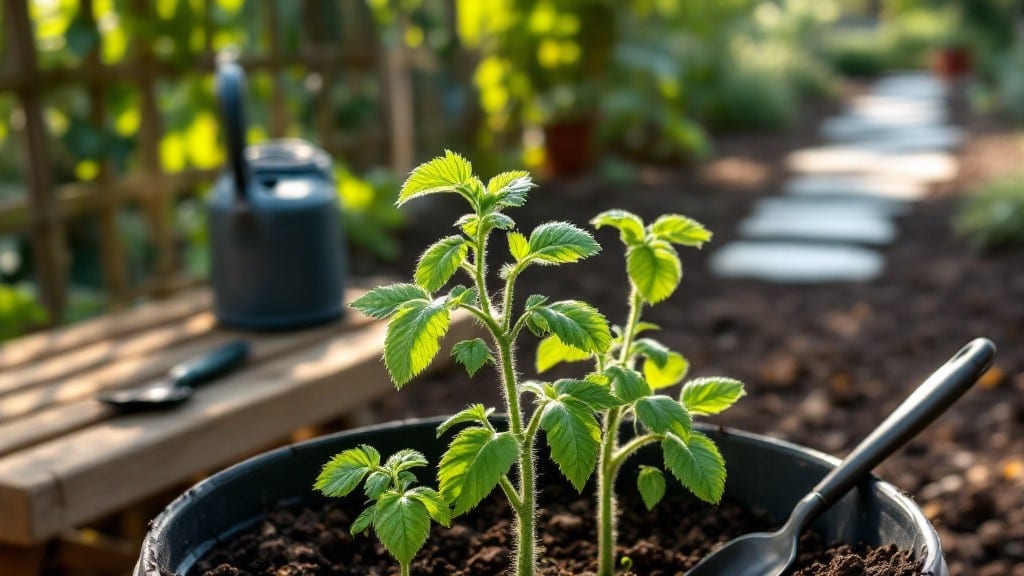
Starting tomato seeds outside 🍅 is your ticket to a bountiful harvest—but only if you nail the timing and prep.
Picture this: you’ve nurtured delicate seedlings indoors for weeks, only to rush them outside too soon and watch frost turn their leaves to ice. Or worse, you wait too long, and the heat arrives before the fruit even sets.
The difference between a thriving garden and a sad, leggy disappointment often comes down to when you start and how you prepare the soil.
In USDA Zone 6a, like much of the Midwest and Northeast, the sweet spot for planting tomato seeds outdoors falls between April and May, about 4-6 weeks before your last frost date.
But even then, soil temperature and hardening techniques can make or break your success. Too cold, and germination stalls; too hot, and seedlings bolt before they’re ready.
Below, I’ll walk you through the exact steps to time your planting, prep your soil, and harden off seedlings like a pro—so you’re not left with six-foot vines and zero tomatoes by summer.
Optimal planting dates for tomato seeds outside by US hardiness zones
Timing your tomato seed planting is critical—especially when starting seeds directly outdoors. Unlike transplanting seedlings, outdoor-sown seeds must germinate in consistent warmth (at least 60°F soil temp) and avoid late frosts.
Your USDA zone determines the perfect window, but even within zones, early vs. late varieties shift the timeline. Let’s break down the best planting dates for Zones 3-10 to ensure strong germination and robust growth.
First, find your last frost date—this is your anchor. For most regions, tomato seeds should go in the ground 4-6 weeks before the last frost, but this varies by zone.
In cooler zones (3-5), you’ll need heat-tolerant varieties like ‘Stupice’ or ‘Mountain Merit’, while warmer zones (8-10) can handle ‘Celebrity’ or ‘Solar Fire’ without stress. Always adjust for soil warmth, not just air temperature.
Here’s how to calculate your ideal planting window: Subtract 60 days from your last frost date for determinate varieties (bush tomatoes) and 70-80 days for indeterminate types (vining tomatoes).
For example, if your last frost is May 15, plant seeds by March 15 for determinate or February 25 for indeterminate. Use a soil thermometer to confirm temps hit 60°F+ before sowing.
⚠️ Critical Tip: Never plant seeds when nighttime temps dip below 50°F—even heat-loving tomato seeds won’t germinate reliably. In Zones 3-4, consider using row covers or black plastic mulch to accelerate soil warming. For Zones 9-10, focus on fall planting (August-September) to avoid summer heat stress.
For Zones 3-4, where frosts linger late, I recommend starting seeds in biodegradable pots under row covers or in a cold frame. This gives seedlings a head start before transplanting after the last frost.
In Zones 5-6, you can direct-sow after April 15, but always monitor nighttime temps—if they drop below 55°F, cover seedlings with frost cloth.
In warmer zones (7-10), the challenge shifts to heat stress. Plant seeds in early spring (February-March) for a summer harvest, or opt for a fall crop (August-September) to avoid the hottest months.
Varieties like ‘Heatmaster’ or ‘Solar Fire’ thrive in 90°F+ temps, while ‘Celebrity’ may struggle. Always water deeply in the morning to prevent blossom drop from heat stress.
Pro tip: Use a seedling heat mat ($15–$25) if sowing in cooler zones—it keeps soil temps ideal for germination. For organic gardeners, mix compost into the soil to retain warmth and moisture.
Avoid planting in cold, wet soil, as it can cause damping off (a fungal disease that kills seedlings).
If you’re unsure about your last frost date, check your local cooperative extension service
How to harden off tomato seedlings before direct outdoor planting
Transitioning your tomato seedlings from cozy indoor conditions to the great outdoors is a critical step. Without proper hardening off, seedlings can suffer from transplant shock, stunted growth, or even death.
The key is gradual exposure to outdoor elements like sunlight, wind, and temperature fluctuations. This process strengthens their cell walls and root systems, ensuring they thrive once planted.
Start hardening off your seedlings about 1-2 weeks before your last frost date. For most regions, this means beginning in late April or early May. Watch for nighttime temperatures to stay consistently above 50°F (10°C), as tomatoes are frost-sensitive.
If frost is still a risk, delay planting until soil reaches 60°F (15°C).
Step-by-Step Hardening Off Guide
- Day 1-3: Partial Sun Exposure – Place seedlings in a shady spot outdoors (e.g., under a tree or patio cover) for 2-3 hours. Gradually increase exposure by 1 hour daily. Watch for wilting or yellowing leaves, which signal stress.
- Day 4-6: Full Sun & Wind – Move seedlings to a sheltered location with direct sunlight (e.g., a porch or garden bed). Start exposing them to gentle wind by placing them near a fence or trellis. Reduce watering slightly to toughen stems.
- Day 7-10: Full Outdoor Conditions – By the final week, seedlings should spend the entire day outdoors, including overnight. If nighttime temps drop below 50°F (10°C), bring them indoors or use row covers for protection.
- Final Check: Readiness Signs – Healthy seedlings will show deep green leaves, sturdy stems, and minimal wilting. If they bounce back quickly from handling, they’re ready for planting!
Pay close attention to leaf color and growth patterns during hardening. Yellowing leaves or curling often indicate too much sun or wind. If this happens, move seedlings to a shadier spot or reduce exposure time. Conversely, purple stems signal phosphorus deficiency—boost with a balanced fertilizer like 5-10-10 before planting.
One common mistake is rushing the process. Tomato seedlings need time to adapt, especially if they’ve been indoors under grow lights. Skipping hardening can lead to sunburned leaves or root damage from sudden temperature changes.
For extra protection, use cloche covers or floating row covers during the final days to shield them from harsh conditions.
Once your seedlings are fully hardened off, they’re ready for their permanent spot in the garden. Plant them in the late afternoon to reduce transplant shock from midday sun.
Water deeply after planting to settle the soil and encourage root growth. With proper hardening, your tomatoes will take off like a rocket, giving you a bountiful harvest!
Pro tip: Keep a gardening journal to track your seedlings’ progress. Note the dates, weather conditions, and any stress signs you observe. This helps refine your approach for next year’s tomato-growing season. Happy planting! 🌱