
Trees
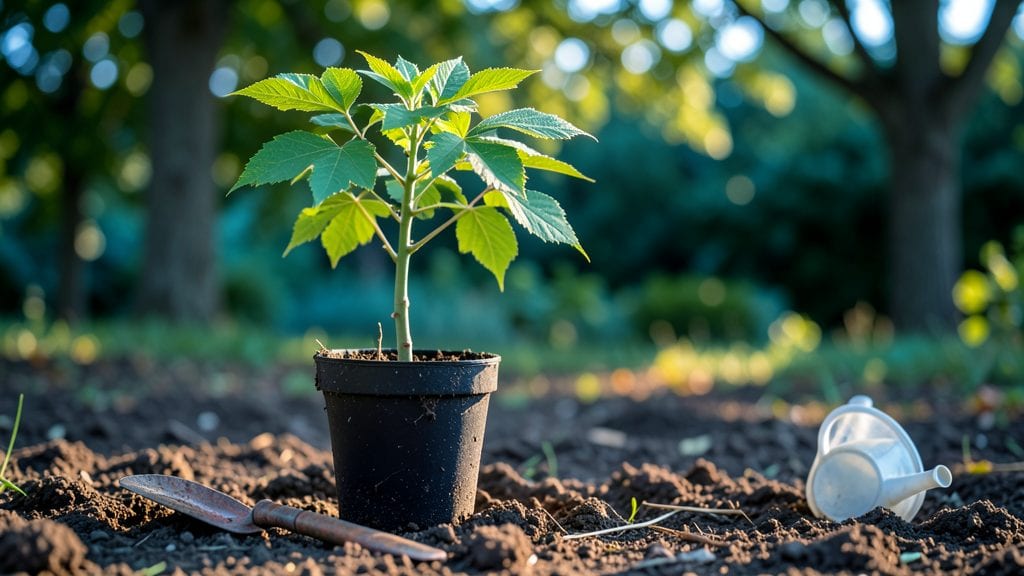
Growing a sugar maple seedling from scratch is one of those quiet victories—no instant gratification, just years of patient care paying off with a towering shade tree. 🌿 I’ve watched mine go from a fragile sprout to a sturdy 6-foot sapling, and the key lies in mimicking the forest floor conditions they crave.
The soil needs to be rich but well-draining, sunlight must be dappled at first, and watering can’t be guesswork—it’s science.
You’ll need a 5-gallon container for the first year, a mix of 60% topsoil and 40% compost, and a spot with morning sun and afternoon shade to avoid stress. Sugar maples hate soggy roots, so raised beds or slightly elevated ground is ideal.
The first winter is critical—wrap the pot in burlap if temperatures drop below 10°F to protect tender roots.
By year three, your sapling will be ready for transplanting, with a trunk thick enough to handle the elements. The leaves will turn that signature brilliant red in fall, and you’ll finally see why this tree is worth the wait.
Just don’t rush it—these trees grow slow but live for centuries.
Works in USDA Zones 3-8, though southern climates need extra shade in summer. The real secret? Consistency. No dramatic changes in water, light, or soil—just steady care. Here’s how to get started without losing patience along the way.
📚 In This Guide
- What you need
- Instructions
- Tips and common mistakes
- Wrapping up and next steps
What you need
- ● Sugar maple seeds – 50–100 seeds (freshly harvested or purchased from a reputable supplier). Pro tip: 💡 Store seeds in a cool, dry place if not planting immediately.
- ● Seed-starting mix – 5–10 lbs of sterile, well-draining potting soil (e.g., a 50/50 blend of peat moss and perlite).
- ● Seed trays or small pots – 4–6 inch pots (biodegradable or plastic) or a seed tray with individual cells.
- ● Grow lights or sunny window – A full-spectrum LED grow light (12–16 hrs/day) or a south-facing window with bright, indirect light.
- ● Misting bottle or spray nozzle – For gentle watering to avoid disturbing seeds.
- ● Plastic wrap or humidity dome – To maintain moisture while seeds germinate.
- ○ Fertilizer (optional but helpful) – A balanced, water-soluble fertilizer (e.g., 10-10-10) diluted to half-strength for seedlings.
- ● Small hand trowel – For planting and transplanting seedlings.
- ● Pruning shears – To trim any damaged or leggy growth.
- ○ pH test kit (optional) – To check soil acidity (ideal range: 5.0–6.5 for maples).
- ○ Thermometer (optional) – To monitor soil temperature (ideal germination temp: 60–70°F).
- ● Garden gloves – To protect hands while handling soil and seeds.
- ● A patient mindset – Sugar maples grow slowly! Expect 3+ years to reach sapling stage.
- ● Space planning – Seedlings need room to grow! Ensure a permanent outdoor spot (full sun to partial shade) with well-draining soil.
- ● Local climate knowledge – Sugar maples thrive in USDA Zones 3–8. Check frost dates in your area for transplanting.
Step-by-step instructions for growing sugar maple seedlings
Here's how to nurture sugar maple seedlings into sturdy saplings ready for transplanting.
🌱 Step 1: Collect and Prepare Maple Seeds
Harvest seeds from healthy sugar maples in late fall when samaras (the winged fruits) turn brown and begin dropping. Collect them in a paper bag—plastic traps moisture and accelerates mold. I like to gather seeds from multiple trees to ensure genetic diversity. Store them in a cool, dry place until spring planting.
Before sowing, soak the seeds in lukewarm water for 24 hours to soften the hard outer shell. This step dramatically improves germination rates. After soaking, gently rub the seed coat with sandpaper to further break dormancy. You'll see the seed coat darken slightly—this is your signal it's ready for planting.
💧 Step 2: Start Seeds Indoors in a Controlled Environment
Fill 4-inch diameter pots with a mix of 50% peat moss and 50% perlite to create a lightweight, well-draining medium. Plant seeds ½ inch deep in early spring, spacing them 1 inch apart. Keep the soil consistently moist but never soggy—sugar maples hate waterlogged roots. A humidity dome helps maintain even moisture during germination.
Place pots in a warm spot with 60-65°F soil temperature. I use a seedling heat mat for this critical phase. Germination can take 3-6 weeks, so patience is key. Watch for the first true leaves (not the initial seed leaves)—this confirms successful germination. Once seedlings reach 3 inches tall, they're ready for their first transplant into larger containers.
☀️ Step 3: Gradually Acclimate Seedlings to Outdoor Conditions
Move seedlings outdoors to a shaded, sheltered spot for 1-2 hours daily starting in late spring. Gradually increase exposure over 2 weeks until they're receiving full sun. Sugar maples tolerate shade but grow best with 6+ hours of sunlight daily. You'll notice stronger stems and deeper green leaves as they adapt.
Transplant seedlings to 1-gallon containers filled with a mix of 60% potting soil and 40% compost when they reach 6 inches tall. Handle roots gently—sugar maples are sensitive to root disturbance. Water deeply after transplanting to settle the soil and encourage root growth. Keep containers in a protected location for the first week to prevent transplant shock.
🌿 Step 4: Maintain Saplings Through Their First Growing Season
Water saplings when the top 1-2 inches of soil feel dry. Sugar maples establish deep root systems, so deep watering (every 7-10 days) encourages stronger growth than frequent shallow watering. Fertilize lightly with a balanced 10-10-10 fertilizer diluted to half strength in early spring and again in midsummer.
Monitor for pests like aphids or spider mites—you'll spot them as tiny webs or sticky residue on leaves. Treat infestations immediately with insecticidal soap. Prune only to remove dead or damaged branches. By the end of the first year, your saplings should reach 12-18 inches tall with a sturdy trunk—ideal for their second transplant into the ground.
⏰ Step 5: Prepare for Outdoor Planting in Year 3
By their third year, saplings should be 3-4 feet tall with a ½-inch diameter trunk. Choose a planting site with well-draining soil and full sun exposure. Dig a hole twice as wide as the root ball but no deeper. Amend the native soil with compost to improve drainage and fertility.
Transplant on a cool, overcast day to reduce stress. Water deeply after planting to eliminate air pockets in the soil. Mulch around the base with 2-3 inches of wood chips, keeping mulch 6 inches away from the trunk to prevent rot. Your sugar maple sapling is now ready to grow into a majestic shade tree for decades to come.
Tips & tricks for perfect sugar maple seedling growth
Growing sugar maple seedlings successfully takes patience and attention to detail—here's how to avoid common pitfalls and maximize your success.
Seed Preparation Matters: The 24-hour soaking in lukewarm water is non-negotiable for breaking dormancy. I've found that using distilled water instead of tap water prevents mineral buildup on the seed coat, which can inhibit germination. After soaking, gently rubbing with sandpaper is crucial—don't skip this step! The slight darkening of the seed coat is your confirmation that dormancy is broken and germination is about to begin.
Soil Temperature is Critical: Maintaining that 60-65°F soil temperature during germination makes all the difference. If your home stays cooler than this, consider using a seedling heat mat underneath your pots. I've had better success with germination when the soil stays consistently warm—cold soil can delay or prevent germination entirely. Place a thermometer in the soil to monitor temperature accurately.
Gradual Acclimation Prevents Shock: The 2-week gradual increase in sunlight exposure is essential for preventing transplant shock. Start with just 1-2 hours of shade and slowly increase exposure. You'll notice the seedlings develop stronger stems as they adapt. If you rush this process, you might see leaves turn yellow or crispy—a clear sign of sunburn. Keep an eye on the leaves for any signs of stress during this transition period.
Container Size Matters: When transplanting to 1-gallon containers, make sure the pots have drainage holes. Sugar maples hate waterlogged roots, and proper drainage prevents root rot. I've seen seedlings struggle when kept in containers without drainage, even with the recommended soil mix. Elevate the pots on saucers to catch any excess water that drains out, but never let them sit in standing water.
Pro Tips for Sugar Maple Seedling
- Growing sugar maple seedlings successfully takes patience and attention to detail—here's how to avoid common pitfalls and maximize your success.
- Seed Preparation Matters: The 24-hour soaking in lukewarm water is non-negotiable for breaking dormancy.
- Soil Temperature is Critical: Maintaining that 60-65°F soil temperature during germination makes all the difference.
Frequently asked questions
Got questions about growing sugar maple seedlings? You’re not alone! Here are some of the most common queries—and straightforward answers—to help you nurture your future shade tree with confidence.
How long does it take for a sugar maple seedling to mature?
A sugar maple seedling typically takes 20–40 years to reach full maturity (60+ feet tall), but you’ll see significant growth in the first 3–5 years with proper care. Patience pays off—these trees are worth the wait for their stunning fall foliage and sweet sap!
When is the best time to plant a sugar maple seedling?
Plant your seedling in early spring (March–April) or fall (October–November) when soil is cool and moist. Avoid extreme heat or frost, which can stress young roots. A well-timed planting gives seedlings a head start for root establishment.
How much water does a sugar maple seedling need?
New seedlings need 1–2 inches of water per week, especially in their first year. Water deeply 2–3 times per week during dry spells, keeping soil consistently moist (but not soggy). Mulch around the base to retain moisture and protect roots.
Can I grow a sugar maple from seed instead of buying a seedling?
Yes, but it’s challenging and time-consuming! Sugar maple seeds (samaras) have a low germination rate (~10–20%) and take 2–3 years to sprout. For faster, more reliable results, opt for a 1–2-year-old nursery seedling—it’s the smarter choice for most growers.
What pests or diseases should I watch for in young sugar maples?
Keep an eye out for:
- Maple leaf blight (fungal spots on leaves—prune infected branches).
- Aphids or scale insects (sticky residue on leaves—spray with soapy water).
- Root rot (from overwatering—ensure good drainage).
Wrapping up and next steps
Growing a sugar maple seedling from seed to sapling is a rewarding journey that blends patience with nature’s magic! 🌱 With the right care—whether nurturing seeds indoors, transplanting outdoors, or troubleshooting common challenges—you’re setting the stage for a future giant of the forest. Your tiny seed today could be tomorrow’s sapling, and one day, a towering tree ready to gift you syrup and shade!
Ready to take the next step? Start by planting your first seed this fall or spring, and keep a gardening journal to track progress. Share your sapling’s growth with fellow tree-lovers—your green thumb might inspire others to grow their own!