
Watering
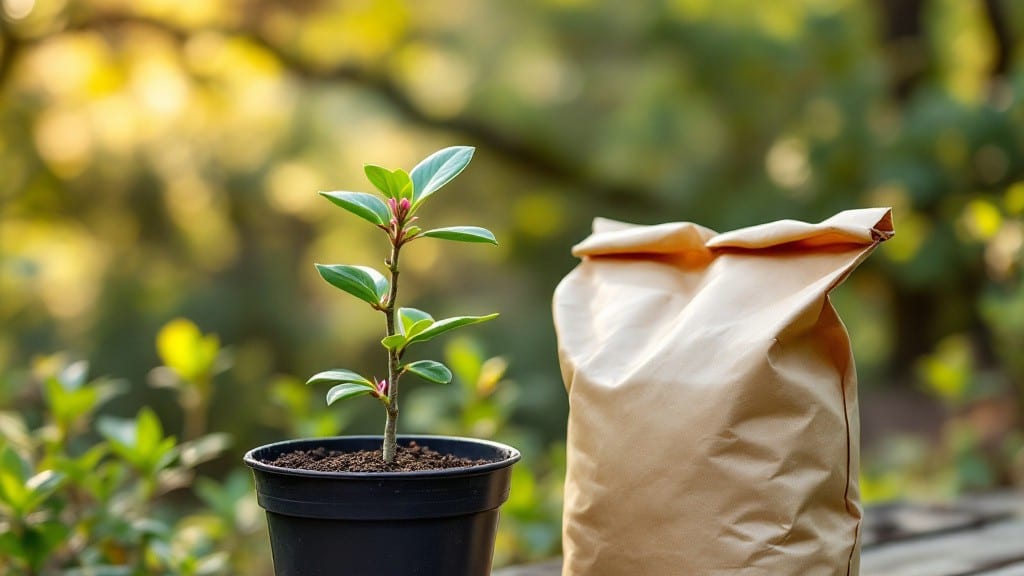
A sweetbay magnolia seedling could be your fastest-growing, evergreen privacy screen—if you avoid these early-care mistakes. 🌿 My first one took off after I learned the right way to water, amend soil, and protect it from deer.
The glossy leaves and fragrant blooms make it worth every effort, especially in humid climates where it thrives.
The secret starts with well-draining soil—sandy loam mixed with compost—and morning sun to prevent leaf scorch. In zones 5-9, plant in early spring when roots can establish before summer heat. A 5-gallon pot works for the first year, but transplant to the ground by year two for faster growth.
Water deeply twice a week unless rain does the work, keeping soil moist but never soggy.
By year three, you’ll see 8-10 feet of lush, dense growth, blocking noise and neighbors’ views year-round. The key is patience: prune lightly in late winter to shape it, but avoid heavy cuts that stress young plants.
Sweetbay magnolias handle humidity better than most, making them perfect for coastal or swampy areas where other screens fail.
Common pitfalls? Overwatering (roots rot fast) and deer browsing (use repellent in early years). With the right care, this shade-tolerant beauty becomes the backbone of your landscape—faster and cheaper than fences or plastic screens. Let’s get that seedling thriving!
📚 In This Guide
- What you need
- Instructions
- Tips and common mistakes
- Wrapping up and next steps
What you need
- ● Sweetbay magnolia seedling (1-2 plants, depending on desired coverage)
- ● Garden soil (2-3 cubic yards for planting, amended with compost for drainage)
- ● Organic mulch (3-4 inches of pine straw or wood chips to retain moisture)
- ● Slow-release fertilizer (balanced 10-10-10 or acidic plant fertilizer)
- ● Watering can or hose with spray nozzle (for gentle hydration)
- ● Pruning shears (sterilized, for shaping and maintenance)
- ● Gloves and long sleeves (to protect from thorns and sap)
- ● Soil pH tester (to ensure acidic soil, ideal for magnolias)
- ● Drip irrigation system (for consistent moisture in dry climates)
- ● Epsom salt (occasional foliar spray for magnesium boost)
- ● Stakes and twine (to support young seedlings in windy areas)
- ● Plant food with micronutrients (for faster growth)
Step-by-Step instructions for planting a sweetbay magnolia seedling
Here's how to establish a sturdy, fast-growing privacy screen that thrives year-round.
🌱 Step 1: Choose the Perfect Planting Location
Sweetbay magnolias need partial shade to full sun—ideally 4-6 hours of morning sunlight with afternoon shade in hotter climates. Avoid areas where they'll be exposed to strong afternoon sun for more than 4 hours, as this can scorch tender new leaves. Look for spots with well-draining soil and 6+ feet of vertical space—these trees mature at 15-20 feet tall and 10-15 feet wide.
I always check the drainage first by digging a 6-inch deep hole—if water pools after 30 minutes, amend the soil with 2-3 inches of compost or plant on a slight mound. The goal is to prevent soggy roots, which can lead to root rot. Test the pH too—sweetbay magnolias prefer slightly acidic to neutral soil (pH 5.0-7.0). A simple soil test kit from your local garden center will tell you if you need to adjust.
🪴 Step 2: Prepare the Planting Hole and Amend Soil
Dig a hole twice as wide as the root ball but no deeper—this encourages roots to spread horizontally rather than settling too low. The top of the root ball should sit 1 inch above ground level to prevent water from pooling around the stem. Gently loosen the roots if they're circling tightly in the container—this helps them establish faster in their new home.
Mix the native soil you removed with 2-3 inches of compost and a handful of slow-release fertilizer (like 10-10-10) to give your seedling a nutrient boost. I like to add a 1-inch layer of pine bark fines at the bottom of the hole for extra drainage—this mimics the tree's natural understory habitat. Fill the hole halfway, then water deeply to settle the soil before adding the seedling.
💧 Step 3: Plant and Water for Immediate Stability
Place the seedling in the hole, ensuring the root flare (where the roots meet the trunk) is visible above the soil line. Backfill with the amended soil mixture, tamping gently in 2-inch layers to remove air pockets. Water slowly but deeply until the soil is evenly moist to a depth of 12 inches—this helps the roots make contact with the surrounding soil. A 5-gallon watering can works perfectly for this.
After planting, create a 2-inch deep mulch ring around the base, keeping it 3 inches away from the trunk to prevent rot. Use pine straw, wood chips, or shredded bark—avoid thick layers, as they can suffocate the roots. Water once a week for the first month, adjusting for rainfall. You'll know you're doing it right when the soil feels damp but not soggy 2 inches down.
☀️ Step 4: Provide Care for the First Critical Year
Sweetbay magnolias establish slowly, so protect young seedlings from extreme conditions. In the first year, focus on consistent moisture—let the top 2 inches of soil dry out slightly between waterings, but never let it get bone-dry. Fertilize lightly in spring with a balanced, slow-release fertilizer (like 10-10-10) to encourage steady growth without burning tender roots.
Watch for new growth in early spring—this is your signal that the seedling is adapting. If you notice yellowing leaves, it’s often a sign of overwatering or poor drainage. Prune only to remove dead or crossing branches in late winter or early spring. Avoid heavy pruning in the first year, as it stresses the tree. By the end of the first year, your seedling should have 3-4 feet of new growth and a sturdy framework for future privacy.
Tips & tricks for perfect sweetbay magnolia planting
These little details make all the difference between a struggling seedling and a thriving privacy screen.
Location is Everything: In Step 1, when choosing your spot, pay extra attention to that afternoon sun limit. I've seen seedlings in full afternoon sun develop crispy leaf edges by midday—trust me, it's not pretty. If you're in a hotter climate, err on the side of more shade rather than pushing the 4-hour limit. A north-facing spot or one with natural shade from nearby trees works beautifully. Think of it as giving your tree a cozy afternoon nap.
Root Ball Prep Matters: During Step 2, when loosening those circling roots, don't go too crazy—just gently separate them with your fingers. I once saw someone use a knife and accidentally cut through major roots, which set the tree back months. The goal is to encourage outward growth, not create fresh wounds. If the roots are tightly bound, soak the root ball in water for 10-15 minutes first to make them more pliable.
Watering Wisdom: Step 3's deep watering is crucial, but here's the secret: water slowly at first to let the soil absorb moisture, then increase flow slightly. This prevents surface runoff that can wash away your amended soil. I use a 5-gallon watering can with a narrow spout to direct water right at the root zone. After watering, check that moisture reaches 12 inches down by sticking your finger in—it should feel damp like a wrung-out sponge, not soggy like a wet washcloth.
Mulch Magic: That 2-inch mulch ring in Step 3 is more important than you might think. Spread it evenly, but leave that 3-inch gap around the trunk to prevent rot. I like to use pine straw because it breaks down slowly and mimics the tree's natural habitat. One pro tip: refresh the mulch in late winter before new growth appears—this gives your seedling a steady moisture supply as it wakes up from dormancy.
Pro Tips for Sweetbay Magnolia Seedling
- These little details make all the difference between a struggling seedling and a thriving privacy screen.
- Location is Everything: In Step 1, when choosing your spot, pay extra attention to that afternoon sun limit.
- Root Ball Prep Matters: During Step 2, when loosening those circling roots, don't go too crazy—just gently separate them with your fingers.
Frequently asked questions
Got questions about growing a sweetbay magnolia seedling into a lush privacy screen? You’re not alone! Here are answers to the most common concerns—from planting to troubleshooting—so you can get started with confidence.
How long does it take for a sweetbay magnolia seedling to grow into a privacy screen?
A mature sweetbay magnolia can reach 20–40 feet tall and provide full privacy in 3–5 years with proper care. Planting in early spring accelerates growth, and regular watering (especially in the first year) helps it establish a strong root system faster. Patience pays off—this evergreen beauty will thrive year-round!
When is the best time to plant a sweetbay magnolia seedling?
The ideal planting window is early spring (March–April) or fall (September–October). Avoid extreme heat or frost, as seedlings are sensitive to stress. If you must plant in summer, choose a cool morning and mulch heavily to retain moisture. Fall planting gives roots time to settle before winter.
How often should I water a sweetbay magnolia seedling?
Water deeply 2–3 times per week for the first year, ensuring the soil stays consistently moist (not soggy). After establishment, water once a week during dry spells. Mulch (3–4 inches) around the base to lock in moisture and protect roots. Overwatering can cause root rot—always check soil moisture before watering!
Can I grow a sweetbay magnolia from seed, or should I buy a seedling?
While you can grow from seed (it’s slow—5+ years to maturity), buying a 1–2 year-old seedling is the smarter choice for a privacy screen. Seedlings have a head start, established roots, and grow 3–5x faster. If you’re committed to seeds, stratify them (cold treatment) for 60–90 days before planting.
What pests or diseases should I watch for in sweetbay magnolia seedlings?
Keep an eye out for:
- Scale insects (sticky residue on leaves)—treat with horticultural oil.
- Magnolia scale (white bumps)—prune infested branches and apply neem oil.
- Fungal issues (like powdery mildew)—improve airflow and avoid overhead watering.
Healthy seedlings in well-draining soil and partial shade are less prone to pests. If problems arise, act fast—prevention is easier than cure!
Wrapping up and next steps
Growing a sweetbay magnolia seedling into a stunning, year-round privacy screen is totally within reach with patience and care! 🌿 These fast-growing beauties will reward you with fragrant blooms and lush foliage in just a few years—perfect for transforming your space into a serene, evergreen haven.
Now that you’re armed with the right materials and answers to common questions, it’s time to roll up your sleeves and get planting.
Next step: Pick your spot, prep the soil, and watch your seedling thrive! Whether you’re a beginner or a seasoned gardener, every little effort will bring you closer to that dream green wall. Happy planting! 🌱