
Size
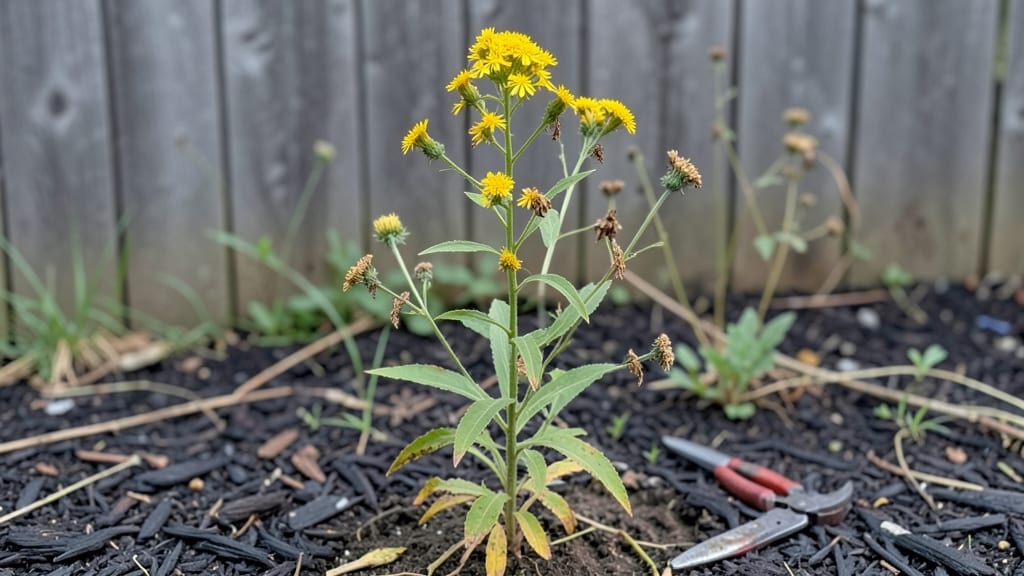
Growing tall goldenrod from seeds is one of the fastest ways to fill your pollinator garden with towering plumes of gold. 🌿 I’ve watched these plants shoot up from tiny seeds to six-foot giants in just a few months—transforming bare spots into buzzing havens for bees and butterflies.
The key isn’t just patience; it’s knowing when to plant, how to prep the soil, and a few tricks to coax those first stubborn sprouts.
The real magic happens in late summer or early fall when you scatter seeds directly into well-drained soil. Goldenrod thrives in full sun but tolerates partial shade, and while germination can take 2-4 weeks, keeping the soil consistently moist during those early days makes all the difference.
I’ve found that a light mulch layer helps retain moisture without smothering the delicate seedlings.
By next spring, you’ll have lush clumps of deep green foliage, and by midsummer, those iconic golden plumes will be swaying in the breeze. The plants spread slowly but steadily, creating natural drifts that pollinators can’t resist.
Just be prepared for some competition—birds love these seeds too, so you might need to replant a few spots.
Once established, tall goldenrod is nearly maintenance-free. A quick trim in early spring keeps it tidy, and dividing clumps every few years prevents overcrowding. The best part? These plants multiply effortlessly, giving you extra seeds to share—or more goldenrod for your own garden. Ready to grow a pollinator magnet?
📚 In This Guide
- What you need
- Instructions
- Tips and common mistakes
- Wrapping up and next steps
What you need
- ● Tall goldenrod seeds: 1–2 oz (about 30–60 seeds per square foot for optimal coverage). Look for Solidago altissima or similar varieties.
- ● Well-draining soil: A mix of native soil, compost (20–30%), and perlite/sand (10%) for aeration. Aim for a pH of 5.5–7.0.
- ● Sunlight access: A full-sun location (6+ hours of direct sunlight daily). Partial shade may work but could reduce blooms.
- ● Water source: A hose with a gentle spray nozzle or a watering can (1–2 inches of water weekly, more during droughts).
- ● Garden bed or containers: For in-ground planting: A 3–4 foot wide bed per plant (they spread via rhizomes).
- ● For containers: 5+ gallon pots with drainage holes (1–2 plants per container).
- ● Garden gloves: A pair to protect your hands from thorns and soil.
- ● Hand trowel or transplant spade: For digging and spacing seeds 12–18 inches apart.
- ● Rake or hoe: To loosen soil and remove weeds before planting.
- ○ Mulch (optional but recommended): Straw or shredded leaves (1–2 inches thick) to retain moisture and suppress weeds.
- ● Label tags: To mark seedling locations (tall goldenrod can look like weeds when young!).
- ● Seed-starting tray: If you prefer to germinate seeds indoors (4–6 weeks before last frost).
- ● Organic fertilizer: A balanced 10-10-10 or compost tea to boost early growth (apply lightly after germination).
- ● Pollinator-friendly companions: Seeds for native grasses (like little bluestem) or wildflowers (e.g., coneflowers) to create a thriving ecosystem.
- ● Bird netting: To protect seeds from hungry birds if planting in early spring.
Step-by-step instructions for growing tall goldenrod from seeds
Here's how to get these pollinator magnets thriving in your garden—quickly and reliably.
🌱 Step 1: Prepare the Seed Starting Mix
Goldenrod seeds germinate best in loose, well-draining soil. Mix the 2 gallons of potting mix with 1 cup of perlite to improve aeration—this prevents the delicate seedlings from rotting. Fill your seed trays or small pots with this blend, leaving about ½ inch of space at the top. Gently press the mix down so it's firm but not compacted; you want roots to push through easily.
Moisten the mix with warm water until it's damp but not soggy. Think of it like a wrung-out sponge—it should hold its shape when squeezed but not drip. This moisture level keeps seeds hydrated without suffocating them. I like to water from the bottom by placing the trays in a shallow dish of water for 10 minutes, then letting excess drain away. This ensures even moisture without disturbing the surface.
💧 Step 2: Sow Seeds and Maintain Moisture
Goldenrod seeds are tiny, so I use a toothpick to carefully place them on the soil surface—don't bury them. Press each seed lightly into the mix so it makes contact but doesn't disappear. You'll see about 4-6 seeds per square inch in your tray. Cover them with a thin layer of vermiculite (about ⅛ inch deep) to help retain moisture while they germinate.
Place the tray in a humidity dome or cover it with clear plastic wrap to create a mini greenhouse. This keeps the environment consistently moist, which is critical for germination. Keep the soil at 65-75°F—a seedling heat mat helps if your home runs cooler. You should see sprouts in 7-14 days, but don't be surprised if it takes up to 21 days in cooler conditions. Patience here pays off.
☀️ Step 3: Provide Light and Thin Seedlings
Once the first true leaves appear (those are the second set after the initial cotyledons), remove the humidity dome immediately. Goldenrod seedlings need bright, indirect light right away to prevent legginess. Place them under grow lights or in a south-facing window where they get 6+ hours of light daily. If you notice stems stretching toward the light or leaves turning pale, your seedlings need more intensity—move them closer to the light source.
When seedlings reach 2-3 inches tall, it's time to thin them. Use small scissors to snip the weaker plants at soil level, leaving the strongest one in each spot. This reduces competition for nutrients. Space remaining seedlings 3-4 inches apart in the tray. Water gently from the bottom now to encourage strong root development—you'll know moisture is right when the soil surface looks slightly damp but not wet.
🪴 Step 4: Transplant to Garden Beds
After 4-6 weeks, when seedlings have 4-6 true leaves, they're ready for their permanent home. Choose a location with full sun (6+ hours daily) and well-draining soil. Goldenrod thrives in average garden soil but appreciates a little extra organic matter—mix 1 cup of compost into the planting hole to give them a nutrient boost.
Dig holes twice as wide as the root ball but only as deep as the container they're in. Gently remove each seedling, keeping the root ball intact, and place it in the hole. Fill around the roots with soil and water deeply to settle everything in. Space plants 12-18 inches apart—this gives them room to grow into those iconic tall plumes without crowding. Mulch with 2 inches of straw to retain moisture and suppress weeds, but keep the mulch 2 inches away from stems to prevent rot.
⏰ Step 5: Maintain for Fast, Pollinator-Friendly Growth
Goldenrod is drought-tolerant once established, but young plants need 1 inch of water weekly during their first growing season. Water at the base in the morning so leaves have time to dry—this prevents fungal issues. You'll see rapid growth in the first year, with plants reaching 3-5 feet tall by late summer. That's your signal they're thriving and ready to attract bees, butterflies, and goldfinches.
Cut back stems to 6 inches tall in early spring before new growth begins. This encourages bushier, more vigorous plants. Avoid fertilizing—goldenrod doesn't need it and grows best in leaner soil. By next year, you'll have a fast-growing, low-maintenance perennial that blooms from mid-summer to fall, providing nectar when few other plants do. That's the payoff for a little patience upfront.
Tips & tricks for growing tall goldenrod from seeds
These simple strategies will help you get your goldenrod seedlings off to a flying start—just like I've done with my own pollinator garden.
Soil Mix Secret: The key to fast germination is that perfect balance in your 2-gallon potting mix. If you're short on perlite, you can substitute 1 cup of coarse sand instead—it works just as well for aeration. But here's what nobody tells you: after mixing, let the soil sit uncovered for 10 minutes before sowing. This allows any excess moisture to redistribute evenly, preventing clumping that could smother tiny seeds.
Temperature Matters: Maintaining that 65-75°F range is critical, but don't stress if your home runs cooler. I've had great success using a simple seedling heat mat set to 75°F under my trays—it's the difference between germination in 7 days versus 21. Pro tip: Place your thermometer right in the soil mix, not just in the air. Soil temps can be 10°F warmer than room temperature, especially near windows.
Lighting Strategy: When you're ready to move seedlings to 6+ hours of light in Step 3, position your grow lights 6 inches above the plants. This distance prevents burning while still providing the intensity goldenrod craves. I rotate my trays quarter-turn daily to ensure even growth—you'll notice stems leaning toward the light if you don't. And here's the thing: if your seedlings look pale after a week, they need more light, not more water.
Transplanting Timing: That 4-6 week window for transplanting might feel like forever, but trust me—rushing leads to shock. Look for those 4-6 true leaves as your signal, not just the calendar. I harden off my seedlings by moving them outside for 2 hours daily starting 1 week before transplanting. This gradual adjustment prevents transplant shock and gives you stronger plants ready to establish in their permanent home.
Pro Tips for Tall Goldenrod Seeds
- These simple strategies will help you get your goldenrod seedlings off to a flying start—just like I've done with my own pollinator garden.
- Soil Mix Secret: The key to fast germination is that perfect balance in your 2-gallon potting mix.
- Temperature Matters: Maintaining that 65-75°F range is critical, but don't stress if your home runs cooler.
Frequently asked questions
When is the best time to plant Tall Goldenrod seeds?
Plant Tall Goldenrod seeds in early spring (March–April) or late summer (August–September) for optimal germination. These timings align with soil warmth and moisture levels, ensuring strong root establishment before winter or summer dormancy. Avoid planting in extreme heat or frost.
How long does it take for Tall Goldenrod seeds to germinate?
Tall Goldenrod seeds typically germinate in 10–21 days under ideal conditions (consistent moisture, 60–75°F soil temps). Keep the soil evenly moist but not soggy, and expect seedlings to emerge quickly once sprouted. Patience is key—some seeds may take longer, especially in cooler weather.
Are Tall Goldenrod seeds attractive to pollinators?
Tall Goldenrod is a pollinator magnet, especially for bees, butterflies, and beneficial insects. Its late-season blooms (August–October) provide nectar when many other plants have faded. Planting them in clusters maximizes their impact for local ecosystems and your garden’s biodiversity.
Can I collect and save Tall Goldenrod seeds for next year?
Yes! After flowering, let seed heads dry on the plant (they’ll turn tan/brown). Snip them off, shake seeds into a paper bag, and store in a cool, dry place. Viability lasts 1–2 years. For best results, collect seeds when they’re fully mature but before they scatter naturally.
Why aren’t my Tall Goldenrod seeds germinating?
Check these common issues:
- Dry soil: Keep soil consistently moist (not waterlogged) during germination.
- Poor light: Seeds need bright, indirect light—avoid deep shade.
- Old seeds: Test viability by soaking seeds overnight; discard if none swell.
- Temperature: Ideal soil temps are 60–75°F—use a heat mat if needed.
Wrapping up and next steps
Tall goldenrod seeds offer a fast, easy, and rewarding way to boost your pollinator garden with minimal effort! Their quick germination and hardy perennial nature make them a fantastic choice for attracting bees, butterflies, and birds—while adding vibrant texture to your landscape.
Whether you’re a seasoned gardener or just starting out, these seeds are your ticket to a thriving, low-maintenance ecosystem.
Ready to take the next step? Grab your seeds, mark your calendar for late summer planting, and watch your garden transform! 🌱✨