
Flowers
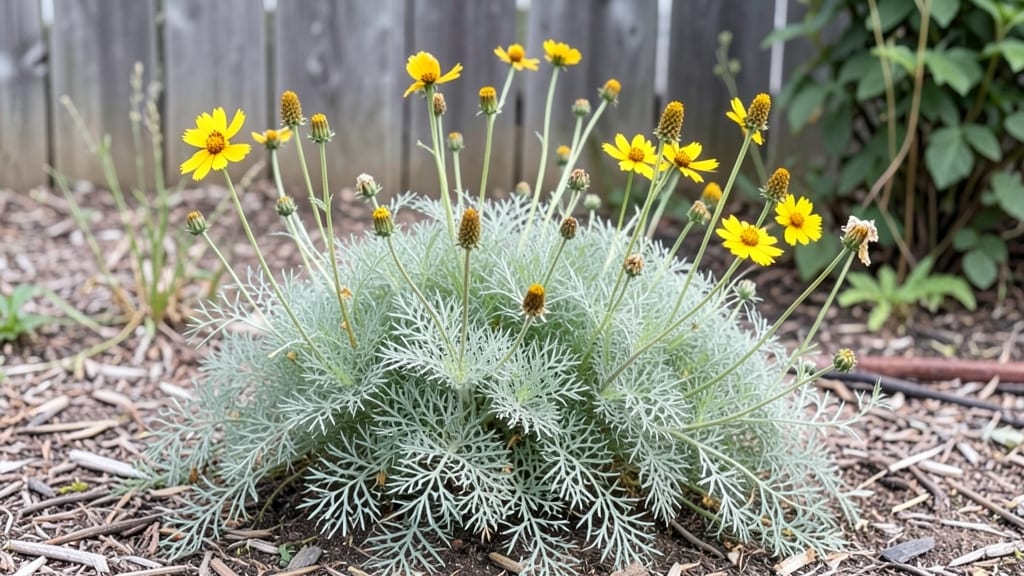
Growing tassel flower seeds starts with a cold-moist trick that unlocks their potential. 🌱 I learned the hard way—skipping this step means waiting months for blooms, if they even show up. The secret lies in mimicking nature’s timing, where seeds experience winter’s damp chill before spring’s warmth triggers growth.
You’ll need a simple setup: a plastic bag, damp paper towels, and patience. Place the seeds between moist towels, seal them in the bag, and refrigerate for 4-6 weeks. This cold stratification breaks dormancy, so when you plant them, they burst into life instead of sitting stubbornly in the soil.
Most gardeners overlook this, but it’s the difference between a patch of green and a cloud of fluffy white tassels by summer.
Once your seeds sprout, transplant them into well-draining soil with morning sun and afternoon shade. Keep the soil consistently moist—not soggy, but never dry. In just 8-12 weeks, you’ll be rewarded with those signature feathery blooms that look like clouds floating above the garden.
The best part? They attract pollinators all season long.
Works for both containers and garden beds, and the same method applies to related plants like Russian sage. Here’s how to avoid the common pitfalls that turn hopeful gardeners into seed-killing skeptics—once you master this, tassel flowers become a no-fail staple.
📚 In This Guide
- What you need
- Instructions
- Tips and common mistakes
- Wrapping up and next steps
What you need
- ● Tassel flower seeds – 1 packet (approx. 50-100 seeds), organic or heirloom varieties like Coreopsis or Rudbeckia for best results.
- ● Seed-starting trays or small pots – 4-6" deep, with drainage holes (biodegradable pots are eco-friendly!).
- ● Seed-starting mix – Lightweight, sterile potting soil (avoid garden soil—it’s too dense!).
- ● Plastic wrap or humidity dome – To retain moisture during cold stratification.
- ● Spray bottle – For gentle watering (avoid over-saturating seeds!).
- ● Refrigerator or cold frame – For stratification (4-6 weeks at 35-40°F)—a standard fridge works!
- ● Grow lights or sunny windowsill – Bright, indirect light (12-16 hours/day) after stratification.
- ● Heating mat – Speeds up germination if your space is chilly.
- ● Fertilizer (balanced, 10-10-10) – Light dose after sprouts emerge.
- ● Plant labels – To track varieties (especially if growing multiple types!).
- ● Transplanting tools – Small trowel or spoon for delicate seedlings.
Step-by-Step instructions for germinating tassel flower seeds
Here's the foolproof method I use to coax tassel flower seeds into vibrant blooms every season.
🌱 Step 1: Prepare the Seeds for Cold-Moist Stratification
Tassel flower seeds need this cold-moist treatment to break dormancy. Place the seeds between two layers of damp paper towels in a sealed plastic bag—just enough moisture so the towels feel like a wrung-out sponge. I like to fold them into a small packet and lay it flat in the fridge.
Keep them at 35-40°F for 4-6 weeks. Check weekly and mist with water if the towels dry out. You'll see a tiny white root emerge first—that's your signal the seed is ready to plant. This cold period mimics winter conditions and tricks the seed into thinking spring has arrived.
💧 Step 2: Plant Stratified Seeds in Moist Growing Medium
Once roots appear, fill your 4-inch pots with the moist seed-starting mix (never dry soil). Press the mix down gently to create firm planting pockets. Drop 2-3 seeds per pot about ¼ inch deep—they're tiny, so I use a toothpick to place them precisely.
Cover lightly with additional mix and water gently until the surface looks evenly damp. The goal is moisture without puddles. I like to use a spray bottle for this step because it prevents seed displacement. Place pots in a warm spot (65-70°F) with indirect light until germination.
☀️ Step 3: Provide Warmth and Light for Germination
Germination takes 14-21 days, so patience is key. Keep the soil consistently moist by misting daily—you'll know it's right when the surface looks slightly damp but not wet. Once sprouts emerge, move pots to a bright location with 6+ hours of indirect light daily.
Here's where it gets fun: watch for the first true leaves (they'll look like tiny fern fronds). This is your signal to thin seedlings to the strongest one per pot. I use scissors to snip at soil level rather than pulling, which prevents disturbing roots of remaining plants.
🌿 Step 4: Harden Off and Transplant Young Plants
When seedlings have 3-4 sets of true leaves (about 6-8 weeks after planting), they're ready for outdoor life. Start hardening off by placing pots outside in a sheltered spot for 1 hour daily, gradually increasing time over 10 days until they can stay out all day.
Choose a cloudy day to transplant to the garden. Dig holes slightly larger than the root ball and space plants 12-18 inches apart in well-draining soil. Water deeply after planting to settle roots. Your tassel flowers will reward you with feathery blooms in 8-12 weeks—just keep the soil consistently moist during their first season.
Tips & tricks for perfect tassel flower germination
These little tricks will help you avoid common pitfalls and get your tassel flower seeds sprouting like clockwork.
Moisture Control: The key to success in Step 1 is maintaining that perfect dampness between the paper towels. I like to use a spray bottle to mist the towels before sealing them in the bag—this prevents soggy spots where seeds might rot. Think "wrung-out sponge," not dripping wet. If condensation forms inside the bag, open it for 10 minutes to let excess moisture escape.
Temperature Consistency: That 35-40°F range in your fridge is crucial. If your fridge runs cooler (like 32°F), you might need to move the seeds to a different location or add a small bowl of warm water nearby to create a warmer microclimate. I've had best results with the seeds placed on the middle shelf where temps stay most stable.
Seed Placement Precision: In Step 2, using a toothpick to place those tiny seeds exactly ¼ inch deep makes all the difference. I find it helps to dampen the toothpick first so the seeds stick better. Also, press the seed-starting mix firmly around the seeds—this helps prevent them from floating up when you water. A gentle tap on the pot sides helps settle everything.
Light Transition Strategy: When moving seedlings to brighter light in Step 3, don't shock them with direct sunlight. Start with a south-facing window with sheer curtains, then gradually increase exposure over 3-4 days. I've seen seedlings get sunburned when moved too quickly—look for pale yellow patches as a warning sign.
Pro Tips for Tassel Flower Seeds
- These little tricks will help you avoid common pitfalls and get your tassel flower seeds sprouting like clockwork.
- Moisture Control: The key to success in Step 1 is maintaining that perfect dampness between the paper towels.
- Temperature Consistency: That 35-40°F range in your fridge is crucial.
Frequently asked questions
Got questions about growing tassel flowers from seeds?
You’re in the right place! Here are answers to the most common queries—from timing to troubleshooting—to help you cultivate those dreamy blooms with confidence.
How long do tassel flower seeds take to germinate?
With the cold-moist prep method, germination typically takes 8–12 weeks to see sprouts. Patience is key! Keep seeds consistently moist (not soggy) and in a cool (60–65°F) spot. If you’re impatient, some gardeners speed up the process by stratifying seeds for 4–6 weeks in the fridge before planting.
Can I plant tassel flower seeds directly outdoors, or do I need to start indoors?
Direct sowing is possible in mild climates (after the last frost), but starting indoors 6–8 weeks before the last frost gives seedlings a head start. If outdoors, choose a well-draining, sunny spot and protect young plants from slugs or strong winds. Pro tip: Use biodegradable pots to avoid transplant shock!
What’s the best soil mix for tassel flower seeds?
These seeds thrive in light, sandy loam with excellent drainage. Mix equal parts potting soil, perlite, and compost for ideal conditions. Avoid heavy clay soil—it can cause rot. If your soil is dense, amend it with vermiculite or coarse sand to mimic their natural, well-aerated habitat.
Why aren’t my tassel flower seeds sprouting after 3 months?
Don’t panic! Common culprits include:
- Dormancy needs: Some varieties require longer stratification (try 8–12 weeks in the fridge).
- Temperature issues: Seeds need consistent coolness (50–65°F). Heat can stall germination.
- Moisture imbalance: Too dry? Add water. Too wet? Let the soil dry slightly between waterings.
- Old seeds: Tassel flower seeds lose viability after 1–2 years. Test a few in a separate container.
If all else fails, try scarifying seeds (lightly nicking the outer shell) to break dormancy.
Are there any alternatives to tassel flowers for fast-growing, drought-tolerant blooms?
If tassel flowers seem too finicky, try these low-maintenance, seed-grown alternatives:
Plant
Germination Time
Drought Tolerance
Blanket Flower (Gaillardia)
7–14 days
Black-Eyed Susan (Rudbeckia)
10–21 days
Mexican Sunflower (Tithonia)
14–28 days
These sun-loving perennials offer vibrant blooms with minimal fuss—perfect for beginners!
Wrapping up and next steps
Growing tassel flowers from seeds is a rewarding journey that combines patience with the joy of watching vibrant blooms emerge! With the right cold-moist prep and a little care, you’ll see stunning results in just 8-12 weeks.
Whether you’re a seasoned gardener or a curious beginner, this method makes it simple to bring these delicate beauties to life.
Ready to dive in? Start by gathering your seeds and supplies, then follow the steps to give your tassel flowers the perfect head start. Happy planting—and enjoy the magic of nature unfolding right before your eyes! 🌸✨