
Vegetables
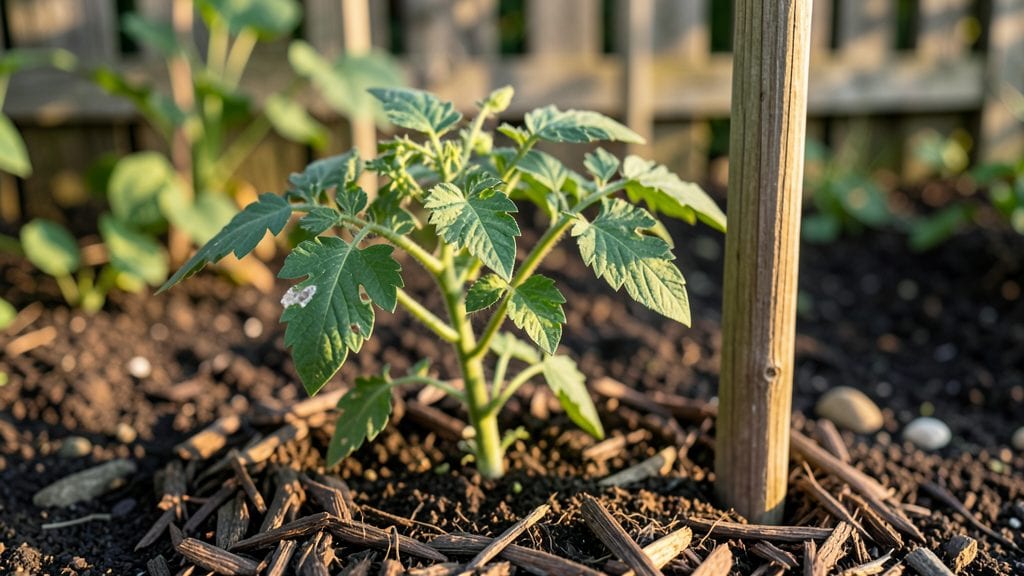
Those bleached patches and crispy edges from tomato seedling sunburn are a heartbreaking sight after weeks of nurturing—here’s how to prevent it.
I’ve watched my own seedlings go from vibrant green to sad, sun-bleached ghosts in just a few hours, and I’ll show you how to stop it before it starts.
The key isn’t avoiding sunlight entirely, but helping your seedlings adjust gradually so they can handle the real world without freaking out.
Here’s the thing—most sunburn happens because we rush the hardening process. Seedlings grown under grow lights or in shaded windows suddenly get dumped into full sun, and their leaves turn white like overcooked pasta.
The fix is simple but requires patience: start with just 2-3 hours of morning sun a day, then slowly increase exposure over 7-10 days. Keep soil moist too—dry roots make plants more vulnerable to stress. A little shade cloth on hot afternoons can also work wonders.
Once you’ve got the right routine, your seedlings will transform from wilted messes into sturdy, deep-green powerhouses ready for the garden. You’ll spot the difference immediately: glossy leaves instead of crispy edges, strong stems that don’t flop, and plants that keep growing instead of shutting down.
The best part? You’ll never have to watch helplessly as your hard work turns to dust again.
This works for any tomato variety, whether you’re growing cherry tomatoes in pots or beefsteaks in the ground. The only real variable is your climate—hotter zones need even more gradual transitions, while cooler areas can handle slightly faster adjustments.
Let’s get those seedlings tough enough to survive the big, bright world out there.
How Sun Damages Young Plants
When your tomato seedlings develop crispy, white, or yellow patches on their leaves, stems, or fruits, it’s often a sign of sunburn—a common but preventable issue. Unlike mature plants, seedlings have delicate tissues that lack the protective pigments and resilience to handle intense sunlight.
Understanding the root causes helps you shield your plants before damage occurs.
Seedlings thrive under indirect, diffused light—think of it like helping a baby take its first steps. Too much direct sun, especially when combined with high temperatures, acts like a magnifying glass, concentrating light energy into harmful ultraviolet (UV) and infrared rays.
These rays break down chlorophyll, the green pigment that helps plants convert sunlight into energy, leading to:
- Photobleaching: Leaves lose their green color and turn white or pale yellow, as chlorophyll degrades faster than the plant can produce it.
- Cell membrane damage: Excessive light triggers oxidative stress, causing cell walls to rupture and tissues to dry out.
- Stunted growth: Energy that should fuel root and leaf development is instead wasted on repairing sun-damaged cells.
Why it’s worse for seedlings: Young plants have thinner cuticles (the plant’s natural sunscreen) and less water stored in their tissues. Without shade or acclimation, they can’t regulate heat or light absorption efficiently.
Sunburn isn’t just about light—it’s also about temperature. When seedlings are moved from a cool, shaded environment (like a greenhouse or indoor seed-starting setup) to hot, sunny conditions too quickly, their systems go into shock. Here’s how heat contributes:
- Transpiration overload: Leaves lose moisture faster than roots can absorb water, leading to wilting and dry, papery patches.
- Enzyme denaturation: Heat disrupts the enzymes that help seedlings photosynthesize, turning leaves into ineffective solar panels.
- Root stress: If soil dries out, roots can’t supply enough water to cool the plant, exacerbating sunburn symptoms.
Actionable insight: Seedlings need a gradual transition to full sun—this process is called hardening off. Skipping it is like throwing a newborn into a sauna.
Water is the unsung hero of plant protection. When seedlings don’t get enough (or too much) water, their ability to handle sunlight plummets. Here’s the science:
- Drought stress: Underwatered seedlings can’t transport nutrients or cool themselves via transpiration. Leaves become crispy and brittle, resembling sunburn even if the damage started with dehydration.
- Overwatering (root rot risk): While excess water might seem like a fix, it can suffocate roots, preventing them from absorbing the moisture needed to combat sun exposure.
- Mineral imbalances: Poor water quality (e.g., high salt or chlorine) can further weaken seedlings, making them more susceptible to sun damage.
Key takeaway: Consistent moisture—especially in the root zone—is critical. Think of water as the plant’s internal air conditioning.
By addressing these three core issues—light intensity, heat exposure, and water management—you’ll give your tomato seedlings the best chance to grow strong and resilient. The next step? Learning how to prevent sunburn before it starts.
Fixing Sun-Stressed Seedlings Fast
Sunburned tomato seedlings can look like they’ve been through a war—but with the right moves, you can nurse them back to health and prevent future damage. Below, we’ve matched common causes to practical fixes, plus pro tips to keep your seedlings thriving. Let’s get them back in the game!
Fix: Gradually acclimate seedlings to sunlight (a process called hardening off) to avoid shock.
- Start with shade: Move seedlings to a spot with partial sun (3–4 hours max) for 3–5 days. Use a light shade cloth (30–50% coverage) if direct sun is unavoidable.
- Increase sunlight slowly: Over 7–10 days, extend their sun time by 1 hour per day until they’re ready for full sun (6+ hours).
- Water deeply before sun exposure: Hydrated leaves reflect sunlight better, reducing burn risk. Aim for 1 inch of water per week (more in heatwaves).
Prevention tip: 💡 If you’re in a hot climate, plant in late afternoon to give seedlings a head start before the worst sun hits.
Fix: Cool down seedlings and boost moisture retention to prevent further damage.
- Provide afternoon shade: Use reflective mulch (white plastic or straw) or a cloche (a mini greenhouse) to deflect heat.
- Mulch like a pro: Apply 2–3 inches of organic mulch (straw, grass clippings, or wood chips) to keep soil cool and retain moisture.
- Water at the roots: Avoid wetting leaves (which can cause fungal issues). Use a drip irrigation system or water early morning to let foliage dry before evening.
Pro tip: ✨ Mist seedlings lightly in the morning if temps are extreme (but avoid evening misting to prevent disease).
Fix: Strengthen seedlings with balanced care to help them recover.
- Test your soil: Sunburned seedlings often struggle because they’re nutrient-depleted. Use a DIY soil test kit (or send a sample to your local extension office) to check pH and nutrient levels.
- Amend the soil: Mix in compost or aged manure (1 part compost to 3 parts soil) to improve water retention and nutrient availability.
- Fertilize gently: Use a balanced, water-soluble fertilizer (like 10-10-10) at half-strength to avoid shocking the plants.
Follow up with a seaweed extract (rich in antioxidants) to help repair damage.
Prevention tip: 🎯 Feed seedlings regularly with a low-nitrogen fertilizer (like 5-10-10) every 2–3 weeks to build resilience.
Fix: Protect seedlings from further abrasion while they heal.
- Create a windbreak: Use burlap sacks, cardboard, or even a row cover to shield seedlings from harsh winds.
- Prune damaged leaves: Snip off severely scorched or torn leaves with sterilized scissors to redirect energy to healthy growth.
- Support weak stems: If seedlings are flopping, stake them with toothpicks or bamboo stakes to prevent further damage.
Pro tip: 🔥 Avoid over-pruning—only remove leaves that are crispy or blackened to prevent stress.
Once your seedlings are back on track, keep them safe with these must-do habits:
| Do This | Why It Works | When to Do It |
|---|---|---|
| Rotate seedlings | Ensures even sun exposure | Every 2–3 days |
| Use row covers | Blocks intense UV rays | During heatwaves |
| Choose heat-tolerant varieties | Some tomatoes (like ‘Heatmaster’ or ‘Solar Fire’) handle sun better | At planting time |
| Monitor weather forecasts | Plan shade or watering ahead of heat spikes | Daily checks |
Final thought: Sunburned seedlings are like sunburned skin—they need time, care, and protection to heal. With these fixes, your tomatoes will bounce back stronger (and tastier!) than ever. 🍅💪
Frequently asked questions about tomato seedling sunburn
Why do my tomato seedlings get sunburned so quickly?
Seedlings lack the protective pigments and thick cuticles of mature plants. When exposed to intense sunlight too soon, their delicate leaves lose chlorophyll and develop white or crispy patches. Think of it like a baby getting sunburned—their skin isn't ready for full sun exposure yet!
Can sunburned tomato seedlings recover?
Yes, but it depends on how severe the damage is. Mild cases can recover with proper care: move them to shade, water deeply, and avoid further stress. For badly scorched seedlings, prune the damaged leaves and focus on root health. If the stem is affected, recovery is unlikely.
What's the best way to harden off seedlings?
Start by placing seedlings in partial shade for 3-4 hours daily, then gradually increase sun exposure by 1 hour per day over 7-10 days. Always water thoroughly before sun exposure—hydrated plants handle sunlight better. Avoid hardening during extreme heat or direct midday sun.
How can I protect seedlings from afternoon sun?
Use shade cloth (30-50% coverage) or create temporary shade with lightweight materials like burlap. For container gardens, move pots to shaded areas during peak sun hours. Mulching with straw also helps reflect sunlight away from delicate leaves.
Will sunburn affect my tomato's future fruit production?
Severe sunburn can stunt growth and reduce yield, but mild cases usually don't cause permanent damage. Focus on preventing further stress and maintaining consistent care. Healthy seedlings will compensate and produce fruit, though they might be smaller than expected if recovery was slow.