
Propagation
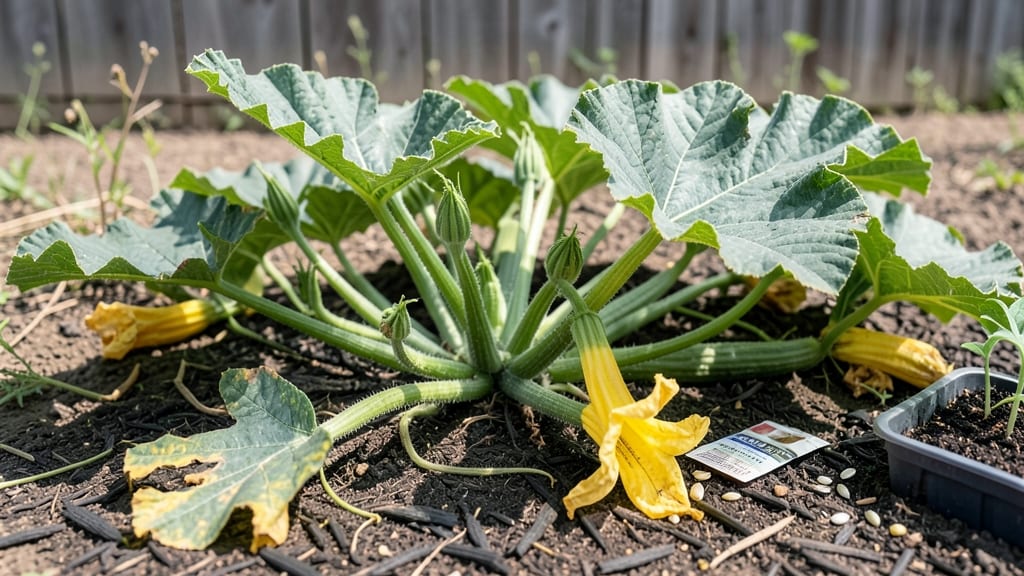
Trumpet squash seeds need warmth and patience to break through that tough outer shell—something I learned the hard way after watching my first batch sit stubbornly in the soil for weeks. 🌱 The key isn’t just planting them; it’s creating the right conditions to trick them into thinking summer has already arrived.
Most gardeners give up too soon, but with the right soil temperature and a little extra care, those seeds will sprout reliably every time.
You’ll need a spot with full sun—at least 6-8 hours daily—and soil that’s warm enough to make those seeds happy. A black plastic mulch or a heated seed mat can give them the jumpstart they need, especially if you’re planting early in cooler climates.
Trumpet squash vines are aggressive growers, so give them room to sprawl or train them up a trellis if space is tight.
By midsummer, you’ll be harvesting long, golden squash that taste sweeter than anything from the store. The secret is consistent moisture—never let the soil dry out completely—and watching for squash vine borers early.
With the right timing and care, one plant can produce enough for a family to enjoy all season long.
Whether you’re in a warm southern climate or a cooler northern zone, adjusting your planting schedule to avoid frost is the biggest game-changer. Start seeds indoors 4-6 weeks before your last frost, then transplant when nighttime temperatures stay above 55°F.
The payoff? A vine that keeps producing until fall’s first chill.
📚 In This Guide
- What you need
- Instructions
- Tips and common mistakes
- Wrapping up and next steps
What you need
- ● Trumpet squash seeds: 3–5 seeds (organic, non-GMO preferred for best results).
- ● Seed-starting mix: 1–2 bags (lightweight, sterile potting soil with perlite or vermiculite for drainage).
- ● Seed trays or small pots: 4–6 (3–4 inches deep, with drainage holes).
- ● Grow lights or sunny windowsill: 6–8 hours of daily light (south-facing window or LED grow lights work best).
- ● Spray bottle: 1 (for gentle watering).
- ● Plastic wrap or humidity dome: 1 (to retain moisture during germination).
- ○ Gloves (optional): 1 pair (to protect hands from soil and squash vines).
- ● Plant labels: 3–5 (to track seed varieties).
- ● Fertilizer (balanced, 10-10-10 or compost tea): 1 bottle (for transplanting).
- ○ Transplanting pots (optional): 5–6 (5-inch pots for hardening off seedlings).
- ○ Heat mat (optional): 1 (if starting seeds indoors in cooler climates).
Step-by-step instructions for germinating trumpet squash seeds
Here's how I've perfected trumpet squash germination over years of trials—no more waiting weeks for stubborn seeds.
🌱 Step 1: Prep Seeds for Faster Germination
Trumpet squash seeds have tough outer shells that slow sprouting. First, soak them in lukewarm water for 12-24 hours—this softens the seed coat and speeds germination from 10-14 days to just 5-7 days. Use a small bowl and cover with a damp paper towel to keep them moist while soaking.
After soaking, gently rub the seeds between two paper towels to remove the outer coating—this gives roots a head start. I like to plant them immediately after this step while they're still damp. The key is keeping them moist but not soggy; if they dry out now, germination slows dramatically.
🪴 Step 2: Choose Containers and Fill with Warm Soil
Use biodegradable pots (like peat or coconut fiber) that are 3-4 inches deep—they'll protect young roots when transplanting. Fill each pot halfway with warm seed-starting mix (I heat mine in the microwave for 30 seconds to mimic spring soil temperatures). Trumpet squash loves warmth, and starting with 80-85°F soil gives them the best start.
Moisten the soil until it's damp but not dripping—you should see moisture beads form on the surface when squeezed. Too much water now causes seeds to rot before they sprout. I like to work in a warm room (around 75°F) because cooler conditions slow germination even after prepping.
💧 Step 3: Plant Seeds at the Right Depth
Plant 2-3 seeds per pot at a depth of 1 inch—this is deeper than many squash varieties because trumpet squash seeds need extra energy to break through the soil. Use your finger to make small holes, drop in the seeds, then cover lightly with additional soil. Press gently but don't compact—you want loose soil that lets roots spread easily.
Water carefully with a spray bottle until the soil surface looks evenly moist. Avoid heavy watering that can wash seeds deeper or create air pockets. Place pots in a clear plastic bag or under a humidity dome to trap warmth and moisture. Check daily for condensation—if you see water droplets on the inside, remove the cover for 30 minutes to prevent fungal issues.
☀️ Step 4: Provide Warmth and Light for Sprouting
Keep pots in a warm spot (like on top of the fridge) until you see sprouts—this usually takes 5-7 days after planting. Once seedlings emerge, move them to a sunny window or under grow lights for 12-14 hours daily. Trumpet squash seedlings need bright light immediately to prevent leggy growth, which weakens the plant before it even reaches maturity.
Watch for the first true leaves (the second set after the initial seed leaves)—this is your signal to thin seedlings. Use scissors to snip the weaker stem at soil level, leaving the strongest seedling per pot. I always keep the one with the thickest stem and darkest green leaves. At this stage, water when the top ½ inch of soil feels dry—overwatering now causes rot in the tender roots.
⏰ Step 5: Harden Off Before Transplanting
Two weeks before your last frost date, start hardening off seedlings by placing them outside in a sheltered spot for 1-2 hours daily. Gradually increase time outside over 7-10 days, ending with full sun exposure. Trumpet squash is sensitive to cold, so wait until soil temperatures reach at least 65°F before transplanting—you'll see new growth slow or stop if planted too early.
Transplant in the late afternoon when temperatures are cooler. Space plants 3-4 feet apart in well-draining soil with plenty of compost mixed in. Water deeply at the base after planting to encourage root growth. The first few days are critical—watch for wilting, which means the roots need more time to establish in their new home.
Tips & tricks for perfect trumpet squash germination
Here's what I've learned after years of wrestling with trumpet squash seeds—these tricks cut germination time in half and save you from heartbreaking failures.
Soaking Strategy: The 12-24 hour soak is non-negotiable for trumpet squash seeds. I use a shallow dish with lukewarm water (not hot!) and place a damp paper towel over them to maintain moisture. Pro tip: If your seeds float, they're not viable—discard them immediately. For extra insurance, add a drop of hydrogen peroxide to the soaking water (1 tsp per cup) to prevent mold growth during those critical first days.
Temperature Matters: Those 80-85°F soil temperatures in Step 2 make all the difference. I've found that microwaving your seed-starting mix for 30 seconds really works—just test it with your finger before planting. If it's too hot, let it cool slightly. Keep your workspace around 75°F too; cooler conditions can extend germination time by days. Remember, trumpet squash seeds need warmth to break through their tough shells.
Depth and Spacing: Planting 2-3 seeds per pot at 1-inch depth might seem counterintuitive, but trumpet squash seeds need that extra energy to push through soil. Use your finger to make holes just slightly larger than the seeds—packing them too tightly can prevent sprouting. After planting, give the pots a gentle tap on the counter to settle the soil without compacting it. This creates the perfect loose environment for young roots to establish.
Light and Thinning: The moment you see those first true leaves (not the initial seed leaves), it's time to thin. I always wait until the seedlings are at least 2 inches tall before snipping the weaker ones at soil level. This prevents shock to the remaining plant. For light, 12-14 hours daily is ideal—if you're using grow lights, position them 2-3 inches above the seedlings and adjust as they grow to maintain consistent light exposure.
Pro Tips for Trumpet Squash Seeds
- Here's what I've learned after years of wrestling with trumpet squash seeds—these tricks cut germination time in half and save you from heartbreaking failures.
- Soaking Strategy: The 12-24 hour soak is non-negotiable for trumpet squash seeds.
- Temperature Matters: Those 80-85°F soil temperatures in Step 2 make all the difference.
Frequently asked questions
Got questions about growing trumpet squash from seeds?
You’re not alone! Here are the most common queries—plus expert answers to help your vines thrive.
How long does it take for trumpet squash seeds to germinate?
Trumpet squash seeds typically sprout in 5–10 days under ideal conditions (warm soil, 70–90°F). Keep them moist but not soggy—patience is key! If no sprouts appear after 2 weeks, try replanting or check seed viability.
Can I plant trumpet squash seeds directly in the ground?
Yes! Trumpet squash thrives in warm soil (60°F+). Wait until after the last frost and plant seeds 1–1.5 inches deep, spacing them 3–4 feet apart. A black plastic mulch can speed up germination and deter weeds.
What’s the best way to troubleshoot slow or no germination?
If seeds aren’t sprouting, check these fixes:
- Soil temp: Use a seedling heat mat if your soil is too cool.
- Moisture: Keep soil damp (not waterlogged) with a spray bottle.
- Depth: Plant no deeper than 1 inch—too deep = slower sprouts.
- Viability: Test old seeds by soaking them in water (floaters are likely dead).
Are trumpet squash seeds easy to find, or should I save my own?
Store-bought seeds are widely available (check Heirloom seed suppliers or garden centers). Saving seeds is possible but requires cross-pollination control—best for experienced growers. Always buy from reputable sources to avoid diseases.
What can I do if my trumpet squash plants bolt too early?
Boling (premature flowering) often happens due to heat stress or short days. To prevent it:
- Start seeds indoors 3–4 weeks before the last frost for a head start.
- Use shade cloth during hot afternoons.
- Choose heat-tolerant varieties like ‘Early Prolific Straightneck.’
Pro Tip:
Label your seeds! Trumpet squash can cross-pollinate with other summer squash—keep varieties separate to avoid mixed harvests.
Wrapping up and next steps
Growing trumpet squash from seeds is a rewarding journey that brings vibrant, delicious harvests to your table! 🌱 With the right materials, a little patience, and these germination secrets, you’ll be well on your way to a thriving vine.
Whether you’re a seasoned gardener or just starting out, every seed you plant is a step toward fresh, homegrown goodness.
Ready to dive in? Start small—pick a sunny spot, grab those seeds, and let nature do the rest! Soon, you’ll be savoring the sweet, nutty flavor of your very own trumpet squash. Happy planting! 🌿