
Pests and Diseases
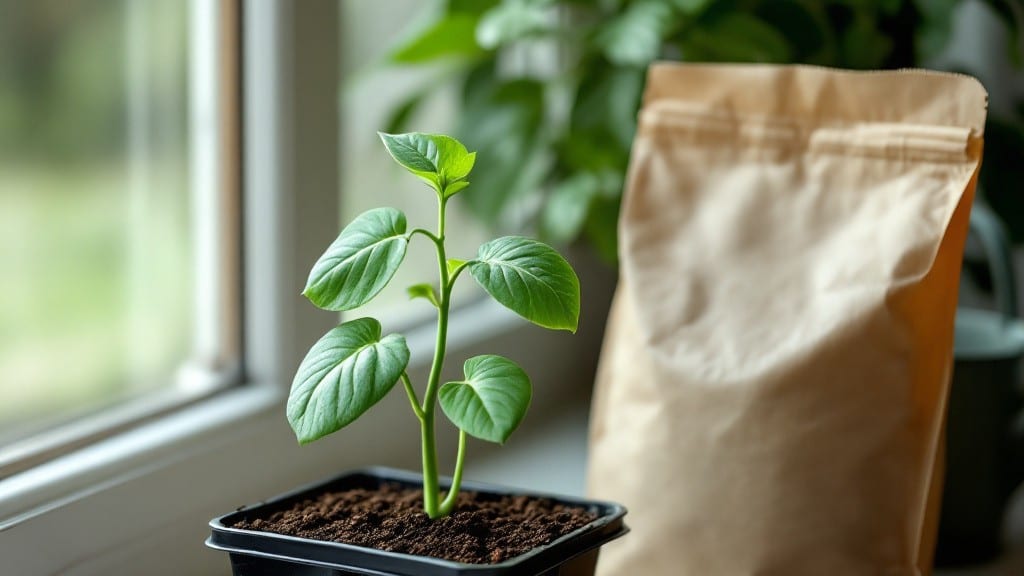
That moment when your two-leaf seedling unfurls its first true leaves is the signal your little green friend is ready for cold stratification—though I learned the hard way that rushing this step weakens roots and steals next spring’s blooms. 🌱 The key is patience: those tiny leaves signal the plant’s energy shift from roots to shoots, and we need to support that transition.
Cold stratification mimics winter’s natural chilling period, which breaks seed dormancy and builds resilience. You’ll need a cool, dark spot (like a garage or fridge) for about 6-8 weeks, plus a mix of 50% peat moss and 50% perlite to keep moisture even.
Overwatering here is the #1 mistake—check soil moisture weekly, and only water when the top inch feels dry.
By the time you transplant, your seedlings will have sturdy stems and a head start on root growth. Place them in bright indirect light for the first week, then gradually introduce direct sun. The payoff? Stronger plants that bloom earlier and more abundantly than store-bought seedlings ever could.
Works for perennials like peonies, delphiniums, and hardy annuals. The same method also saves seeds from your garden for next year—just collect them at the two-leaf stage and refrigerate. Here’s how to do it right the first time.
Root Causes of Stunted Seedlings
Understanding why you’re dealing with a two-leaf seedling—or worse, one that refuses to progress—starts with identifying the underlying triggers. While some factors are environmental, others stem from biological or mechanical issues. Let’s break down the key culprits holding your seedlings back, so you can address them with precision.
Seedlings stuck at the two-leaf stage often struggle because their initial growth environment was suboptimal. Germination sets the foundation for healthy development, and if conditions aren’t ideal, seedlings may pause growth or even stunt permanently.
- Temperature Fluctuations: Seeds need consistent warmth (typically 65–75°F or 18–24°C) to germinate.
If soil temps dip too low (below 50°F or 10°C), metabolic processes slow, leaving seedlings weak and delayed. Cold stratification (a controlled chilling period) can help, but if applied incorrectly, it may overwhelm tender seedlings instead of preparing them. - Moisture Imbalance: Overwatering suffocates roots by cutting off oxygen, while underwatering stresses the seedling. Ideal moisture should keep soil damp (not soggy) but not dry.
A moisture meter or the "squeeze test" (soil should feel like a wrung-out sponge) helps gauge consistency. - Light Exposure Gaps: Seedlings need 12–16 hours of light daily post-germination.
If placed in low-light conditions (e.g., under weak grow lights or in shaded trays), they’ll stretch (etiolate) or halt growth entirely. Blue spectrum light (400–500nm) is especially critical for early development.
Pro Tip: 💡 If your seedlings emerged in cool, dark conditions, they may have delayed cotyledon expansion—the first "seed leaves." Once moved to bright, warm conditions, they should push through within 3–7 days. If not, check for fungal damping-off (a common side effect of poor airflow).
Not all two-leaf seedlings are victims of poor conditions—some are sabotaged by microscopic invaders. Fungal, bacterial, and even nematode attacks can severely limit growth by damaging roots or leaves.
- Damping-Off (Fungal): Caused by Pythium, Phytophthora, or Rhizoctonia, this disease rots the stem at soil level, leaving the seedling toppled or stunted. Symptoms: - Dark, mushy stem base - Seedling wilting despite moist soil - White mold on soil surface - Solution: Sterilize trays with hydrogen peroxide (3%), use well-draining soil mixes, and avoid overcrowding. - Powdery Mildew: Appears as white, powdery patches on leaves, blocking sunlight and stifling growth.
Thrives in humid, low-airflow conditions. - Root-Knot Nematodes: Microscopic worms that penetrate roots, creating galls (lumpy growths) that restrict nutrient uptake. Solution: Solarize soil before planting or use nematicide-treated seeds.
Pro Tip: ✨ Preventative sprays like neem oil or baking soda solution (1 tsp/L water) can deter fungal spores before they take hold.
Seedlings are nutrient sponges—they need a balanced diet to grow beyond the two-leaf stage. Too little (or too much) of the wrong nutrients can lock them in a growth plateau.
- Nitrogen (N) Deficiency: Leads to pale, yellowing leaves (chlorosis) and stunted stems.
While high nitrogen promotes leafy growth, excessive amounts can burn roots and halt development. - Phosphorus (P) Shortage: Critical for root and cell division, a deficiency shows as dark green or purple stems and slow top growth. Solution: Use a starter fertilizer (5-10-10 or 10-20-20 ratio) at half-strength. - Micronutrient Imbalances: Iron (Fe), Zinc (Zn), or Manganese (Mn) deficiencies cause interveinal chlorosis (yellowing between leaf veins). Solution: Apply chelated micronutrients or use EG (ethylene glycol)-treated fertilizers for better uptake.
Warning: 🚨 Over-fertilizing with synthetic salts (like urea or ammonium) can raise soil EC (electrical conductivity), leading to osmotic stress—where roots struggle to absorb water. Always flush soil with plain water every 2–3 weeks.
Sometimes, external forces—not biological ones—are the real growth inhibitors. From transplant shock to container constraints, physical factors can halt development at the two-leaf stage.
- Root-Bound Seedlings: If roots are circled tightly in a small cell or pot, they strangle themselves, limiting nutrient and water uptake. Solution: Bottom-water seedlings to encourage root expansion or up-pot into a 2–3" container once roots fill the tray.
- Transplant Shock: Moving seedlings too early (before true leaves form) or disturbing roots during transfer can trigger a growth pause. Solution: Hardening off (acclimating to outdoor conditions) should happen gradually over 7–10 days before transplanting.
- Compacted or Waterlogged Soil: Clay-heavy or poorly amended soil can suffocate roots, reducing oxygen availability. Solution: Mix in perlite, vermiculite, or coco coir (20–30%) to improve aeration.
Pro Tip: 🔥 Test your soil’s pH (ideal: 5.8–6.5 for most seedlings). If too acidic (<5.0) or alkaline (>7.5), nutrient uptake plummets, causing stunted growth. Adjust with lime (to raise pH) or sulfur (to lower pH).
Not all seeds are created equal—some are simply weak or dormant. If your seedlings consistently fail to progress, the issue might be inherent in the seed itself.
- Low-Viability Seeds: Old, poorly stored seeds may germinate weakly or stop growing after the cotyledon stage. Solution: Test seed viability with a paper towel germination test before planting. - Hybrid or F1 Seedling Weakness: Some first-generation hybrids are bred for specific conditions and may struggle in less-than-ideal environments. Solution: Research the parent plants’ hardiness and match growing conditions closely. - Dormancy Traits: Some seeds (like peppers or tomatoes) require stratification or scarification to break dormancy.
If skipped, they may linger at the two-leaf stage for weeks.
Pro Tip: 🌡️ Warm-stratify seeds (place them in a 70–80°F (21–27°C) environment) for 7–14 days before cold stratification to boost germination energy.
Fixing Common Seedling Struggles
When your young plants hit a snag, quick action can turn a potential loss into a thriving start. Below are practical, step-by-step solutions for the most common issues affecting your seedlings—plus prevention tips to keep them strong from the start.
Cause: Too much competition for light, nutrients, or space. Fix:
- 🔥 Thin Them Out – Use clean scissors or your fingers to snip or gently pull weaker seedlings at soil level, leaving only the strongest 2–3 inches apart (adjust based on plant type).
- 🍳 Repot if Needed – If roots are circling, transplant into larger pots or directly into the garden with extra space.
- ☀️ Boost Light – Move seedlings to a sunnier spot (a grow light helps if natural light is weak).
Prevention:
- 💡 Sow Sparingly: Follow seed packet spacing guidelines.
- 🌡️ Use Trays with Drainage: Prevents root-bound stress.
- ✨ Rotate Trays: Ensures even light exposure.
Cause: Fungus gnats, aphids, or mold thriving in damp conditions. Fix:
- 🔪 Remove Infested Soil – Discard the top layer of soil where pests hide.
- 👨🍳 DIY Spray – Mix 1 tsp neem oil + 1 tsp dish soap + 1 quart water, spray lightly (avoid seedlings).
- 🥘 Adjust Moisture – Let soil dry slightly between waterings; use a fan for airflow.
Prevention:
- 🎯 Use Sterile Soil: Pasteurize soil or buy seed-starting mix.
- 🌱 Yellow Sticky Traps: Place near seedlings to catch flying pests early.
- ✨ Cinnamon Dust: Sprinkle lightly on soil to deter fungus gnats.
Cause: Overwatering, underwatering, or nutrient deficiency. Fix:
- 💧 Check Moisture –
- Soggy soil? Let it dry out; ensure pots have drainage holes.
- Crusty soil? Water gently at the base (avoid wetting leaves).
- 📊 Nutrient Boost – Use a balanced liquid fertilizer (5-5-5) diluted to half-strength after true leaves appear.
- 🌡️ Temperature Check – Keep seedlings in 65–75°F (avoid cold drafts or heat vents).
Prevention:
- 💡 Water from Below: Use a tray to self-water (prevents fungal diseases).
- 🌱 Monitor Soil Color: Dark, rich soil = healthy; grayish = compacted or waterlogged.
- ✨ Harden Off Gradually: Acclimate seedlings to outdoor temps over 1–2 weeks before transplanting.
Cause: Poor light, cold stress, or weak soil. Fix:
- ☀️ Optimize Light –
- Natural light? Rotate trays daily for even growth.
- Artificial light? Use 12–16 hours/day of LED grow lights (6 inches above seedlings).
- 🔥 Warmth Hack – Place trays on a seedling heat mat (70–75°F) or near a sunny window.
- 🍳 Soil Refresh – Mix in compost or worm castings for nutrients.
Prevention:
- 🎯 Start Early: Begin seeds indoors 6–8 weeks before last frost.
- 🌱 Use Fast-Draining Mix: Avoid garden soil (it compacts).
- ✨ Test Soil pH: Aim for 6.0–7.0 (most seedlings thrive here).
Pro Tip: 💡 When in doubt, observe! Healthy seedlings should have sturdy stems, vibrant leaves, and roots growing out the drainage holes. Act fast—small fixes now save big headaches later!
Frequently asked questions about early seedling care
How do I know if my seedlings have reached the two-leaf stage?
The two-leaf stage occurs when your seedling develops its first true leaves (not the initial cotyledons). These leaves will be smaller, more complex in shape, and positioned higher on the stem than the seed leaves. Look for a clear transition from the broad, simple cotyledons to narrower, veined true leaves.
Why are my seedlings stuck at the two-leaf stage and not growing?
Common culprits include insufficient light (they need 12-16 hours daily), temperature stress (keep soil at 65-75°F), or nutrient deficiencies. Check for etiolation (long, weak stems) or yellowing—both indicate environmental issues. A quick fix is moving them to brighter conditions and using a balanced starter fertilizer.
When should I transplant seedlings at the two-leaf stage?
Transplant when they have 2-3 true leaves and sturdy stems (usually 3-4 weeks after germination). Harden them off first by gradually exposing them to outdoor conditions for 7-10 days. Avoid transplanting in hot sun or cold temperatures—morning or evening is ideal. Use well-draining soil and water deeply after planting.
Can I save seedlings that look weak at the two-leaf stage?
Yes! Focus on light, warmth, and moisture balance. Move them to a sunnier spot or under grow lights, ensure soil stays moist but not soggy, and avoid overcrowding. If roots are circling, gently tease them apart when repotting. Most can recover if given the right conditions within 1-2 weeks.
What’s the best soil mix for two-leaf seedlings?
Use a lightweight, sterile mix like 50% peat moss or coco coir + 50% perlite/vermiculite. Avoid garden soil—it’s too dense and can harbor diseases. Add a slow-release fertilizer (like worm castings) for nutrients. For extra insurance, pasteurize homemade mixes by baking at 180°F for 30 minutes to kill pathogens.