
Flowers
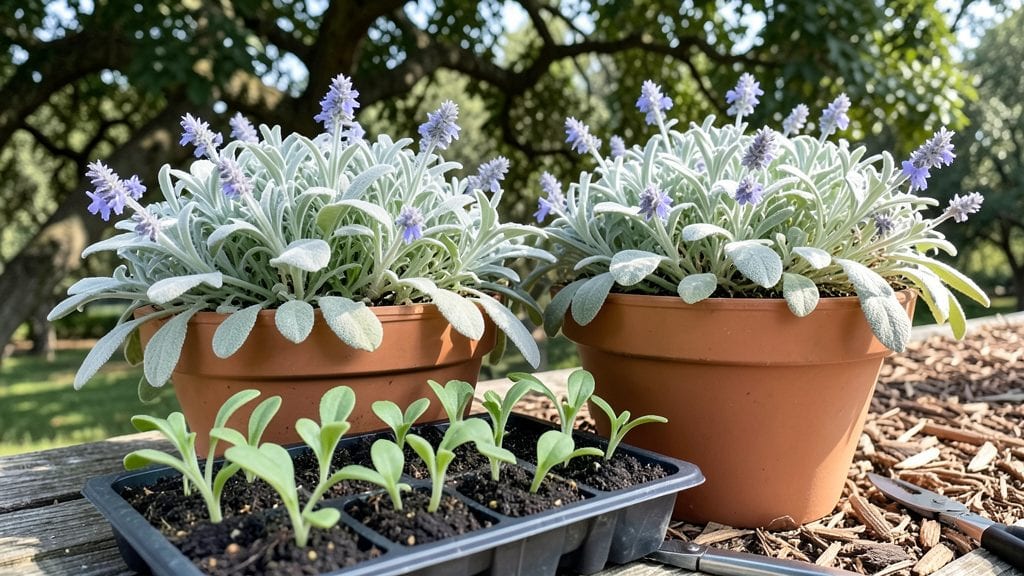
Planting Verbena rigida seeds unlocks a drought-tolerant groundcover with clusters of tiny, fragrant lavender blooms that hummingbirds adore. 🌿 I’ve grown this tough perennial for years, and it’s the secret weapon for sunny borders—once established, it spreads like a living carpet while requiring almost no maintenance.
The key to success starts with timing: sow seeds indoors 8-10 weeks before your last frost or directly in the ground after soil warms to 60°F. Use well-draining soil with a gritty texture—this plant hates soggy roots—and keep seedlings in bright light to prevent leggy growth.
A simple tray with a heat mat speeds up germination, which typically takes 14-21 days.
By summer, you’ll have a fragrant, low-growing mat of 1-inch lavender blooms that last from June through frost. The scent alone makes it worth growing, but the real magic happens when it self-seeds and fills gaps naturally.
Just be ready for its aggressive spread—this plant means business in sunny, dry spots.
Perfect for slopes, rock gardens, or as a living mulch under roses. Once you’ve got the hang of it, you’ll never buy groundcover again. Here’s how to get those first seedlings popping up strong.
📚 In This Guide
- What you need
- Instructions
- Tips and common mistakes
- Wrapping up and next steps
What you need
- ● Verbena rigida seeds: 10–20 seeds (or a small packet for beginners). Choose heirloom or organic if possible!
- ● Seed-starting mix: 2–3 cups of lightweight, well-draining potting soil (avoid garden soil—it’s too dense!).
- ● Small pots or seed trays: 2–4 3–4 inch biodegradable pots or a seed tray with drainage holes.
- ● Grow lights or sunny windowsill: A full-spectrum LED grow light (12–16 hours/day) or a south-facing window (6+ hours of sunlight).
- ● Spray bottle: For gentle watering (avoid over-saturating seeds!).
- ○ Misting fan (optional but helpful): Encourages airflow and prevents mold (especially in humid climates).
- ● Plant labels: Small biodegradable tags or toothpicks to mark seedlings.
- ● Humidity dome or plastic wrap: Keeps moisture in while seeds germinate (remove once sprouts appear!).
- ● Fertilizer: A balanced liquid fertilizer (10-10-10) or fish emulsion (diluted to half-strength) for seedlings.
- ● Transplanting tools: A small trowel or spoon for moving seedlings to larger pots or garden beds.
- ● Garden gloves: Protects hands from soil and sharp seedling stems.
- ● Timing: Start seeds 6–8 weeks before your last frost date (Verbena rigida thrives in USDA Zones 7–10).
- ● Temperature control: Seeds germinate best at 65–75°F (18–24°C). Use a seedling heat mat if your space is cooler.
- ● Patience: Germination can take 10–21 days—stay consistent with care!
Step-by-Step instructions for planting Verbena rigida seeds
Here's how to coax these fragrant blooms from tiny seeds with minimal fuss.
🌱 Step 1: Prepare the Seed Starting Mix and Containers
Fill your 4-inch seed trays with a sterilized blend of 50% seed-starting mix and 50% perlite. This lightweight combination prevents damping-off while allowing delicate roots to establish. Moisten the mix until it reaches 60% moisture—press gently, and it should hold together without crumbling.
I like to work in batches of 8-10 seeds per tray since Verbena Rigida germinates slowly. Scatter seeds ¼ inch apart and barely cover them with a fine layer of mix—just enough to block light from the seed's food source. Press lightly but don't compact; these seeds need air to breathe during their 2-3 week germination window.
💧 Step 2: Create Ideal Germination Conditions
Cover the trays with a clear plastic dome or plastic wrap to maintain 70-75°F soil temperatures and 80% humidity. Place them in indirect light—no direct sun yet—until you see the first green tips. I use a seedling heat mat underneath to ensure consistent warmth; without it, germination can stretch to 4-6 weeks.
Check moisture daily but resist watering until condensation forms on the dome's underside. Overwatering now causes seeds to rot before sprouting. Once 50% of seeds have sprouted, remove the dome immediately to prevent fungal growth. You'll notice tiny cotyledons first—wait until first true leaves appear before moving them.
☀️ Step 3: Transition to Bright Light and Harden Off
When seedlings show 3-4 true leaves (about 6-8 weeks after sowing), move them to a sunny windowsill or under grow lights providing 12+ hours of light daily. Verbena Rigida thrives on full sun but burns easily if introduced too quickly. Start with 2-3 hours of morning sun and gradually increase exposure over 10 days.
During this period, water from the bottom of the tray to encourage strong root development. You'll see seedlings lean toward the light—rotate trays quarter-turn daily to prevent lopsided growth. Once they tolerate 6+ hours of direct sun without wilting, they're ready for transplanting.
🪴 Step 4: Plant Outdoors at the Right Time
Wait until nighttime temperatures stay above 55°F—Verbena Rigida won't tolerate frost. Space seedlings 12-18 inches apart in well-draining soil amended with compost. Dig holes just deep enough to accommodate the root ball, then water deeply to settle soil around the roots. I like to add a 1-inch layer of mulch afterward to retain moisture and suppress weeds.
Water lightly for the first 7-10 days to help roots establish, then taper off. Overwatering now causes root rot, which Verbena Rigida is particularly susceptible to. You'll know they're settled when new growth appears within 2-3 weeks—that's your signal to resume normal care.
Tips & tricks for perfect Verbena rigida germination
Mastering Verbena Rigida from seed takes patience—but these precision tips will help you avoid common pitfalls and coax those fragrant blooms every time.
Soil Temperature is Non-Negotiable: In Step 2, maintaining those 70-75°F soil temperatures is critical. I use a seedling heat mat set to 75°F under my trays, which creates the perfect environment. Without it, germination can drag out to 4-6 weeks instead of the ideal 2-3 weeks. If your home runs cooler, consider a small greenhouse or warm location like above your fridge.
Light Transition Requires Gradual Exposure: When moving seedlings to bright light in Step 3, start with just 2-3 hours of morning sun—this gradual introduction prevents sunburn. I place my trays on an east-facing windowsill first, then slowly rotate to south-facing over the 10-day period. Watch for seedlings leaning toward light; this phototropism is normal but indicates they need rotation every 24 hours to grow straight.
Moisture Management is an Art: The 60% moisture level in Step 1 should feel like a wrung-out sponge—damp but not soggy. I check moisture by pressing the mix: it should hold together without crumbling. Overwatering at this stage causes damping-off, while underwatering prevents germination. Once you see condensation on the dome, that's your cue to water lightly—just enough to maintain humidity without creating a swampy environment.
Outdoor Timing is Climate-Dependent: In Step 4, waiting for nighttime temperatures above 55°F is crucial, but don't wait too long. I test by placing a thermometer outdoors overnight—if it dips below 55°F, I delay transplanting. For extra protection, I cover seedlings with frost cloth for the first few nights after moving them outside, especially if your spring nights are unpredictable.
Pro Tips for Verbena Rigida Seeds
- Mastering Verbena Rigida from seed takes patience—but these precision tips will help you avoid common pitfalls and coax those fragrant blooms every time.
- Soil Temperature is Non-Negotiable: In Step 2, maintaining those 70-75°F soil temperatures is critical.
- Light Transition Requires Gradual Exposure: When moving seedlings to bright light in Step 3, start with just 2-3 hours of morning sun—this gradual introduction prevents sunburn.
Frequently asked questions
Got questions about growing Verbena rigida from seeds? You’re not alone! Here are some of the most common queries—and straightforward answers—to help you cultivate fragrant blooms with confidence.
When is the best time to plant Verbena rigida seeds?
For optimal results, sow seeds indoors 8–10 weeks before your last frost date (typically late winter to early spring). Transplant seedlings outdoors after the soil warms to 60–65°F (15–18°C) and all frost risk has passed. If you’re in a mild climate, you can direct-sow in early spring.
How long does it take for Verbena rigida seeds to germinate?
Germination usually takes 10–21 days under ideal conditions: consistent moisture, warmth (70°F/21°C), and indirect light. Keep soil damp (not soggy) and avoid moving the tray. If seeds don’t sprout within 3 weeks, they may need a stratification period (chilling for 2–4 weeks) to break dormancy.
Why aren’t my Verbena rigida seeds sprouting?
Seeds often struggle due to cold soil, poor light, or improper moisture. Troubleshoot by:
- Ensuring soil stays consistently moist (not dry or waterlogged).
- Providing bright, indirect light (a grow light helps).
- Checking seed viability—test a few by nicking them with a knife and soaking in water for 24 hours. If they swell, they’re still good!
- Trying a cold stratification trick: refrigerate seeds in damp paper towels for 2–4 weeks before replanting.
Can I grow Verbena rigida from cuttings instead of seeds?
Yes! While seeds are common, stem cuttings are an easy alternative. Snip 4–6 inch healthy stems, remove lower leaves, and dip in rooting hormone. Plant in moist potting mix and keep humid (use a plastic bag or propagator). Roots typically form in 2–4 weeks. This method preserves the parent plant’s traits faster than seeds!
Are Verbena rigida seeds deer- or pest-resistant?
While Verbena rigida is generally pest-resistant, deer love its fragrance and may nibble seedlings or mature plants. Protect young plants with row covers or fencing. For pests like aphids, spray with neem oil or introduce ladybugs. Once established, the plant’s strong scent often deters most critters naturally!
Pro Tip: Label your seedlings!
Verbena rigida seedlings look similar to other herbs or flowers early on. Use toothpicks and labels to mark trays—you’ll thank yourself when it’s time to transplant and avoid accidental weeding!
Wrapping up and next steps
Growing Verbena rigida seeds is a rewarding way to bring fragrant, drought-tolerant beauty to your garden with minimal effort! 🌸 Whether you’re a seasoned gardener or just starting, these hardy plants thrive with the right care—sunlight, well-draining soil, and patience.
Your efforts will soon be rewarded with clusters of delicate blooms that attract pollinators and fill the air with a sweet, citrusy scent.
Ready to dive in? Start by gathering your supplies, then follow the planting steps with confidence. Your fragrant Verbena rigida haven is just a few seeds away—happy planting! 🌱✨