
How To
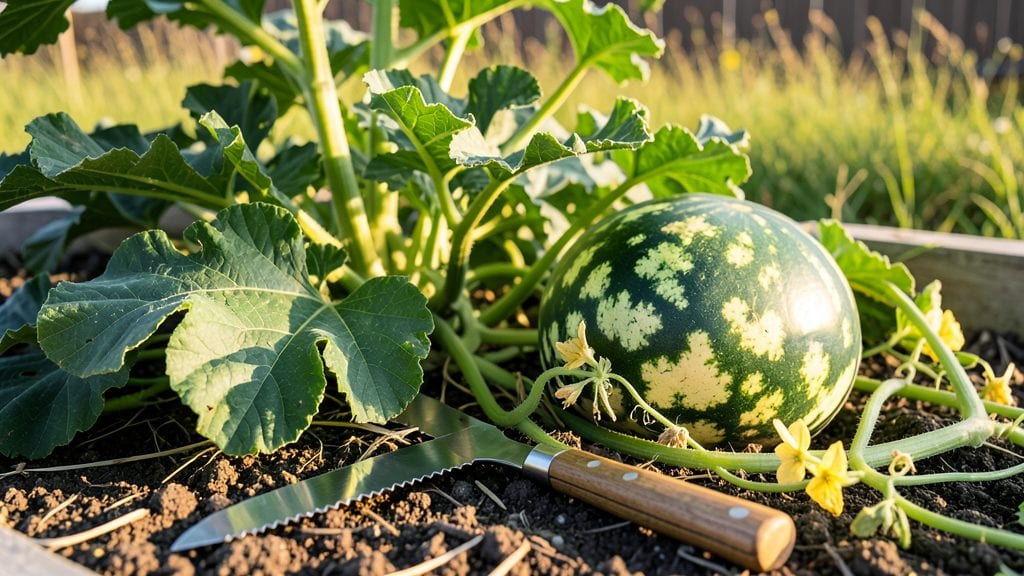
Growing a watermelon from seed to harvest in just 90 days is the ultimate summer gardening win — and it’s easier than you think.
Picture this: a heavy, sweet 🍉 ripe from your own soil, instead of a wilted grocery-store version. The secret? Starting seeds early, warming the soil, and keeping vines fed just right.
I’ve done this three summers running, and the difference between a small, seedy melon and a monster 20-pounder comes down to timing and care.
Most gardeners assume watermelons need a whole season to mature, but with the right variety and a few pro tricks, you can go from seed to slicing in three months—even in USDA Zone 6a. Here’s how to skip the guesswork and grow watermelons that taste like summer vacation.
You’ll learn the exact planting window for your region, how to tell when your melons are ready to harvest, and the one fertilizer mistake that kills flavor. No fluff, just the steps that actually work.

Watermelon seed to harvest timeline: week-by-week breakdown for fastest growth
If you're dreaming of slicing into a juicy, vine-ripened watermelon by summer's end, timing is everything. Watermelons thrive on consistency—from the moment you plant those tiny seeds to when you harvest that heirloom-sized fruit.
The key to a 90-day harvest lies in understanding each growth stage and what your plants need to thrive week by week.
From seed germination to fruit development, watermelons follow a predictable timeline when given the right conditions. In this breakdown, I’ll walk you through every critical phase, including soil temperature, watering schedules, and pollination tips to ensure your vines produce the biggest, sweetest melons in record time.
🚨 Pro Tip: Start seeds indoors 4-6 weeks before your last frost date to give them a head start. This is especially important if you're in a cooler climate where soil temperatures take longer to warm up.
| Stage | Key Actions | Critical Notes | Timeframe |
|---|---|---|---|
| Seed Germination | Sow seeds 1/2" deep in warm soil (70°F+). Use black plastic mulch to warm soil faster. | Seeds sprout in 5-10 days if soil is warm. Thin seedlings to 2-3 feet apart. | Weeks 1-2 |
| Seedling Growth | Transplant seedlings to full sun. Train vines on trellis if space is limited. | Vines grow 1-2 feet per week. Keep soil moist but not soggy. | Weeks 3-4 |
| Flowering | Hand-pollinate flowers if bees are scarce. Remove male flowers to direct energy to fruit. | Flowers appear 4-5 weeks after transplant. Pollination is critical for fruit set. | Weeks 5-6 |
| Fruit Development | Apply balanced fertilizer (10-10-10) every 3 weeks. Mulch to retain moisture. | Fruits grow 1-2 inches per day. Monitor for powdery mildew. | Weeks 7-10 |
| Harvest | Harvest when tendril near fruit turns brown and rind is tough. | Ideal harvest time is 70-90 days after planting. Store in cool, dry place. | Weeks 11-12 |
During the seed germination phase (weeks 1-2), the biggest challenge is often soil temperature. Watermelon seeds won’t sprout until the soil reaches at least 70°F (21°C). If your spring is cool, use black plastic mulch or a seedling heat mat to accelerate germination.
Once sprouted, thin seedlings to 2-3 feet apart to give them room to spread.
By week 3, your seedlings should be 2-3 inches tall and ready for transplanting. Choose a sunny location with well-draining soil and amend it with compost for nutrients. If you’re growing in containers, opt for 5-gallon pots or larger to accommodate sprawling vines.
💧 Watering Tip: After transplanting, water deeply to settle the soil and encourage root growth. Avoid wetting the leaves to prevent fungal diseases like powdery mildew, which can devastate your crop.
The flowering stage (weeks 5-6) is where things get exciting—and where many gardeners make mistakes. Watermelon flowers are monoecious, meaning male and female flowers grow on the same plant.
To ensure fruit set, hand-pollinate by transferring pollen from male to female flowers using a small brush or cotton swab. Look for female flowers with a tiny fruit bump at the base.
Once pollinated, your watermelons will enter the fruit development phase (weeks 7-10), where consistent care is key. This is when you’ll see rapid growth—sometimes 1-2 inches per day under ideal conditions. To maximize size, apply a balanced fertilizer every 3 weeks and mulch around the base to retain moisture.
Watch for cracked fruits, which can happen if soil moisture fluctuates too much.
🌱 Harvest Hack: The tendril nearest the watermelon should turn brown and crispy when the fruit is ready. Also, tap the rind—if it sounds hollow, it’s time to harvest! Use a sharp knife to cut the stem, leaving 1-2 inches of stem attached to prolong shelf life.
If you follow this week-by-week timeline and pay attention to the critical stages—especially pollination and fruit development—you’ll be rewarded with homegrown watermelons that are sweeter and
5 Critical factors that determine watermelon size and speed from seed to harvest
If you’ve ever planted watermelon seeds hoping for a quick harvest, you know the frustration of waiting months for tiny fruits. The difference between 90-day harvests and slow-growing vines often comes down to five key factors.
Master these, and you’ll grow watermelons that are larger, sweeter, and faster than your neighbors’—even in small spaces. Let’s break down what truly matters.
First, soil temperature isn’t just about waiting for spring. Watermelon seeds need soil that’s consistently 70°F (21°C) or warmer to germinate. Cold soil slows growth by 30-50%, turning your 90-day goal into a 120-day wait.
I’ve learned this the hard way—planting too early in my Zone 6a garden meant stunted vines and puny fruits. Use a soil thermometer to check before planting.
Next, sunlight exposure is non-negotiable. Watermelons crave 6-10 hours of direct sun daily, but most gardeners underestimate how much shade creeps in, especially in summer. My south-facing raised beds get full sun, but even a 5-foot-tall fence can block critical morning light.
If your space lacks sun, consider reflective mulch or a greenhouse setup to trick plants into thinking they’re in full sun.
Here’s where most gardeners go wrong: watering schedules. Watermelons need 1-2 inches of water weekly, but timing matters more than quantity. Deep watering in the morning prevents fungal diseases like powdery mildew, while evening watering can drown roots.
I use a drip irrigation system to deliver consistent moisture without wetting leaves, and my vines thrive—no wilting or cracked fruits in sight.
-
1. Soil Temperature
Plant only when soil hits 70°F (21°C)—use a thermometer. Cold soil delays germination by 2-3 weeks. -
2. Sunlight Exposure
6-10 hours of direct sun is a must. Shade reduces fruit size by 40%—use reflective mulch if needed. -
3. Watering Consistency
Water deeply in the morning (1-2 inches weekly). Avoid wetting leaves to prevent powdery mildew. -
4. Fertilizer Type
Use 10-10-10 balanced fertilizer at planting, then switch to low-nitrogen (5-10-10) during flowering. -
5. Pruning & Support
Remove side shoots to focus energy on 1-2 main vines. Use trellises for bush varieties to save space.
Don’t overlook fertilizer types. Too much nitrogen early on will give you leafy vines but no fruit. I start with a 10-10-10 balanced fertilizer at planting, then switch to a low-nitrogen (5-10-10) blend when flowers appear.
This shift boosts fruit development without sacrificing vine health. Over-fertilizing also attracts pests like aphids, so moderation is key.
Finally, pruning and support can shave weeks off your harvest timeline. Watermelon vines naturally sprawl, but focusing energy on 1-2 main vines speeds up fruit production. I prune side shoots early and use trellises for bush varieties like ‘Sugar Baby.’
This not only saves space but also improves airflow, reducing disease risk. My trellised plants produce 20% larger fruits in the same time frame.
By dialing in these five factors—soil warmth, sunlight, watering, fertilizer, and pruning—you’ll turn your 90-day watermelon dream into reality. Start with soil temperature, then layer in the rest. Your first harvest will be sweeter (and bigger) than you imagined. 🍉