Diseases
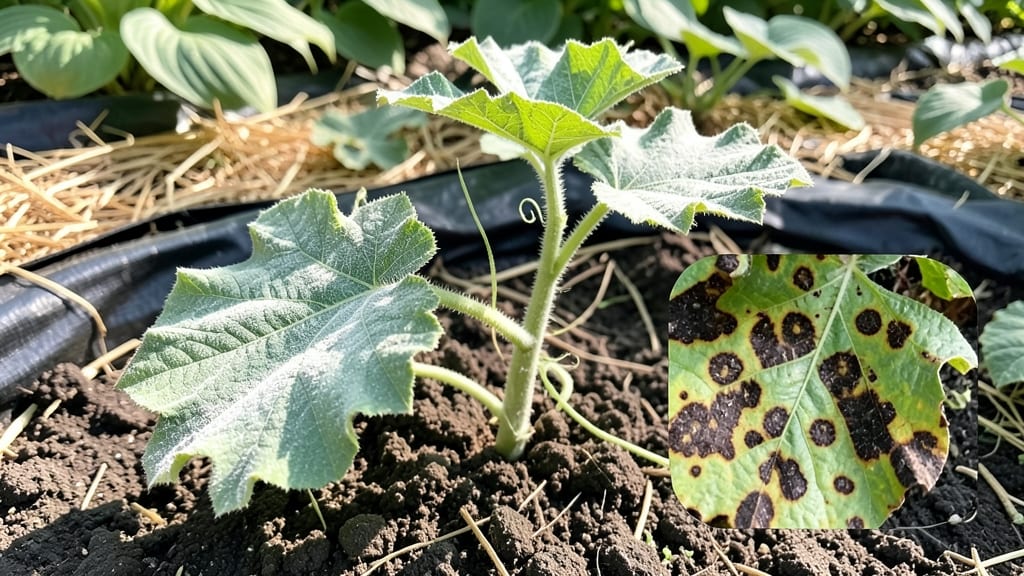
Watermelon seedling diseases can turn your hopeful little sprouts into sad, wilted messes before they even hit the soil. 🌱 I’ve watched damping-off, powdery mildew, and bacterial wilt wipe out entire trays of seedlings in just days—and I’ll show you how to spot them early, stop them fast, and keep your plants thriving.
The worst offenders—like damping-off—strike when seedlings sit too wet or crowded, while powdery mildew thrives in humid air. Bacterial wilt? That sneaky one spreads through contaminated water or tools.
But here’s the good news: organic fixes like copper spray, neem oil, and proper airflow work better than chemical sprays ever could.
You’ll learn to recognize the first signs—yellowing leaves, black stems, or fuzzy white growth—so you can act before your seedlings collapse. With these organic cures, you’ll save your plants and still enjoy juicy watermelons by summer. Let’s get those seedlings fighting fit!
Whether you’re growing in flats or direct-sown, these fixes work for any setup. The key is catching problems early and keeping conditions just right. Your future harvest depends on it—let’s make sure those seedlings stand a chance.
Root Causes Of Seedling Struggles
Watermelon seedlings don’t just wilt for fun—they’re sending you a distress signal. Understanding why these diseases strike is the first step to stopping them in their tracks. Below, we break down the science behind the chaos, so you can outsmart pathogens before they ruin your crop. 🌱🔍
Diseases like Fusarium wilt, damping-off, and powdery mildew don’t just appear—they hitch a ride or lurk in your soil, waiting for the perfect moment to strike. Here’s how:
- Soilborne Fungi & Bacteria: Pathogens like Fusarium oxysporum or Pythium survive in infected plant debris, contaminated soil, or even water. When seedlings germinate, their tender roots become a buffet for these microbes. Warm, moist soil (60–85°F) is their ideal breeding ground, accelerating growth and infection.
- Spores in the Air: Fungal spores (Erysiphe cichoracearum for powdery mildew) float on breezes or hitchhike on tools, clothing, or even your boots. Once they land on a seedling’s waxy leaf surface, they germinate and pierce the cuticle—like tiny, invisible vampires.
- Seed-Transmitted Diseases: Some pathogens (Cucumber mosaic virus) are already hiding inside seeds. If you planted infected seeds, your seedlings are doomed before they even sprout. No warning signs? Check your seed source.
💡 Pro Tip: Test your soil for pathogens before planting. A simple soil fungal/bacterial assay (available through extension services) can reveal hidden threats.
Diseases don’t just spread—they’re encouraged by specific conditions. Think of it like a bad house party: too much humidity, poor airflow, or extreme temps, and the pathogens throw the rave.
| Factor | How It Helps Pathogens | Watermelon’s Weak Spot |
|---|---|---|
| Excess Moisture (overwatering, poor drainage) | Fungi like Phytophthora thrive in waterlogged soil, while powdery mildew loves leaf surfaces with high humidity. | Seedlings’ shallow roots drown in saturated soil, weakening defenses. |
| Stagnant Air (crowded seedlings, no airflow) | Spores linger longer in still air, increasing infection rates by 30–50%. | Thick canopies trap moisture, creating a disease incubator. |
| Temperature Swings (cool nights, hot days) | Sudden drops (<60°F) stress seedlings, while Fusarium loves 77–86°F soil temps. | Weakened seedlings can’t fight off opportunistic infections. |
🌡️ Fix It: Aim for 65–75°F soil temps, space seedlings 12–18 inches apart, and water at the base (not overhead) to reduce humidity on leaves.
Not all seedlings are created equal—and weak ones are pathogen magnets. Here’s what makes them vulnerable:
- Nutrient Deficiencies: Low nitrogen (_N_) or phosphorus (_P_) stunts root growth, leaving seedlings starving and unable to fight infections. Yellow leaves? That’s a red flag.
- Physical Damage: Rough handling (e.g., transplant shock) or insect bites (like aphids) create entry wounds for bacteria and fungi.
- Genetic Susceptibility: Some watermelon varieties are bred for disease resistance—but if you’re growing heirlooms or non-hybrids, they may lack built-in defenses.
💡 Pro Tip: Use mycorrhizal fungi (beneficial soil microbes) to boost root health. They form symbiotic relationships with seedlings, improving nutrient uptake and disease resistance.
Now that you know why seedlings sicken, the next step is action. Stay tuned for organic fixes to kick these pathogens to the curb—without harsh chemicals! 🚫🧪
Quick Fixes for Watermelon Seedling Struggles
When your watermelon seedlings show signs of distress, acting fast is key to saving your crop. Below are practical, organic solutions tailored to the most common seedling diseases—each with a clear cause-to-fix mapping and prevention tips to keep your plants thriving.
🔥 Cause: Overwatering, poor drainage, or fungal spores in soil. 🍳 Solution:
- Remove infected seedlings immediately to stop the spread—grab them by the base and toss them in a sealed bag (not the compost!).
- Improve airflow by spacing seedlings 2–3 inches apart and thinning crowded trays.
- Sterilize soil with a 1:10 hydrogen peroxide solution (let it bubble for 5 minutes, then water lightly).
- Switch to bottom-watering (place trays in a shallow dish of water for 10 minutes daily) to avoid damp foliage.
💡 Prevention Pro Tip:
- Bake your soil mix at 180°F (82°C) for 30 minutes to kill fungi before planting.
- Use perlite or vermiculite (20% of your mix) to improve drainage.
🌡️ Cause: High humidity, poor airflow, or stressed seedlings. 👨🍳 Solution:
- Prune affected leaves (wear gloves!) and dispose of them far from the garden.
- Spray with a baking soda mix (1 tsp baking soda + 1 quart water + a drop of dish soap) every 7–10 days.
- Boost airflow by staking seedlings or using a small fan (set to low) for 10 minutes daily.
- Water at the base in the early morning to keep leaves dry.
✨ Organic Boost:
- Neem oil spray (1 tbsp neem oil + 1 tsp mild soap per quart of water) applied at dusk—repeat weekly.
🏃♂️ Cause: Contaminated soil or infected transplants. 🥘 Solution:
- Pull and destroy any wilted seedlings (do not compost).
- Solarize your soil for 4–6 weeks: Cover beds with clear plastic in sunny weather to kill pathogens.
- Plant resistant varieties like ‘Sugar Baby’ or ‘Crimson Sweet’ if Fusarium is recurrent.
- Rotate crops—avoid planting melons in the same spot for 3+ years.
🎯 Prevention Table:
| Risk Factor | Fix It With |
|---|---|
| Old compost | Use fresh, sterilized potting mix |
| Overwatering | Let soil dry 1 inch between waterings |
| Crowded seedlings | Thin to 12 inches apart |
🌡️ Cause: Wet leaves, contaminated tools, or splashing water. 🍳 Solution:
- Remove infected leaves and sterilize pruners with rubbing alcohol (70% or higher).
- Apply copper fungicide (follow label rates) every 10–14 days.
- Water deeply but less often—aim for the soil, not the foliage.
- Disinfect tools after each use with a 10% bleach solution (rinse well).
💡 Fast Fix:
- Milk spray (1 part milk to 9 parts water) reduces bacterial spread—spray in the evening.
🌿 Universal Prevention Checklist for All Diseases:
- Test soil pH (aim for 6.0–6.8)—amend with lime or sulfur if needed.
- Use raised beds for better drainage if your garden stays soggy.
- Rotate crops annually to break disease cycles.
- Start with healthy seeds—buy from reputable suppliers or save seeds from disease-free plants.
🚀 Remember: Early action is your best defense! Monitor seedlings daily, and don’t hesitate to pull the plug on hopeless cases to protect the rest. With these fixes, your watermelon seedlings will grow strong and disease-free—ready for a bountiful harvest! 🍉💚
Frequently asked questions about watermelon seedling diseases
What are the first signs of damping-off in watermelon seedlings?
Look for seedlings that suddenly collapse at the soil line, leaving a black, water-soaked stem. The leaves may turn yellow or brown before the whole plant topples over. This happens when fungal spores thrive in overly moist soil or crowded trays.
Can I reuse soil from diseased seedlings in my garden?
Never reuse infected soil—it will spread pathogens to new plants. Instead, sterilize it by baking at 180°F (82°C) for 30 minutes or solarize it (cover with clear plastic for 4–6 weeks). For quick fixes, mix in 20% perlite to improve drainage.
How often should I spray neem oil on watermelon seedlings?
Apply neem oil every 7–10 days at dusk to prevent powdery mildew and fungal infections. Mix 1 tablespoon neem oil + 1 teaspoon mild soap per quart of water, and avoid spraying when flowers appear (it can harm pollinators).
Why do some watermelon varieties get diseases more often?
Heirloom or non-hybrid varieties often lack built-in disease resistance. For example, ‘Sugar Baby’ resists Fusarium wilt better than many heirlooms. Always check seed packets for disease-resistant labels or choose certified disease-free seedlings from nurseries.
Will overwatering really kill my watermelon seedlings?
Overwatering suffocates roots and creates the perfect environment for Pythium and Phytophthora fungi. Water only when the top 1 inch of soil feels dry, and use trays with drainage holes to prevent soggy conditions.