
Light Requirements
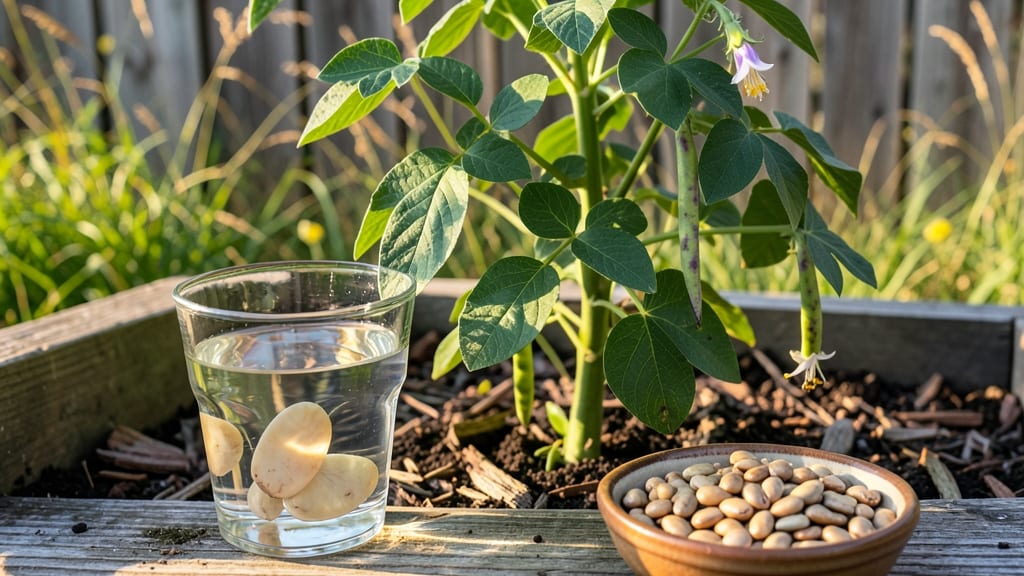
What seeds need to be soaked before planting include hard-coated varieties like lentils, chickpeas, kidney beans, black-eyed peas, and some wildflower seeds to break dormancy and improve germination rates. Soak them overnight or for 12 hours in water before sowing.
Hard-coated seeds like these have a thick, protective layer that blocks water absorption, mimicking natural weathering cycles to trigger germination. 🌱 Without soaking, many of these seeds—especially legumes—might never sprout, as their natural dormancy prevents premature sprouting in harsh conditions.
I've found that even a 12-hour soak can double germination rates for stubborn varieties like black-eyed peas, while wildflower seeds often benefit from a gentler approach to avoid overhydration. Always use room-temperature water and drain properly to prevent mold.
For extra stubborn seeds, try rubbing the coat lightly with sandpaper or wrapping them in a damp paper towel overnight. This mimics natural scarification from rocks or animal digestion, which breaks the coat in the wild.
Just avoid soaking too long—overhydration can actually damage the seed's internal structure, leaving you with no sprouts at all.
💡 In This Article
- Why Hard-Coated Seeds Require Pre-Soaking
- Best Soaking Methods for Different Seed Types
Why hard-coated seeds require pre-soaking
Nature designed hard-coated seeds with an extra-thick protective layer called the testa, which prevents water from penetrating until conditions are perfect for germination. This dormancy mechanism protects seeds from sprouting too early in harsh environments, like during droughts or extreme temperatures.
For example, kidney beans have a testa that can be 0.5 millimeters thick—about the width of a human hair—which acts as a barrier against premature hydration. Without intervention, these seeds might never absorb enough moisture to trigger the metabolic processes needed for sprouting. 🌱
The soaking process mimics natural weathering that would occur over months in the wild, where seeds tumble against rocks or pass through animal digestive systems. This physical abrasion, called scarification, creates microscopic cracks in the seed coat.
In gardening, we replicate this by soaking seeds in water for 12-24 hours, which softens the testa enough to allow water and oxygen to reach the embryo inside.
Studies show that scarified black-eyed peas can achieve 90% germination rates compared to just 30% without treatment, demonstrating how critical this step is for hard-coated varieties.
Here's what's happening at the cellular level: When seeds soak, water triggers enzyme activation that breaks down stored nutrients like starches into sugars, fueling the seed's first growth stages. The testa also regulates gas exchange—without soaking, oxygen can't penetrate, stalling respiration.
For wildflower seeds, which often have even tougher coats, a 12-hour soak at room temperature is ideal to avoid overhydration, which can cause the seed to rot before sprouting. The key is balance: enough moisture to soften the coat, but not so much that it drowns the embryo. ✨
Temperature plays a surprising role too. Warm water (70-80°F) speeds up the soaking process by increasing molecular activity, while cold water slows it down. That's why many gardeners use room-temperature water—it's gentle yet effective.
For tropical seeds like lentils, even a 4-hour soak can work, while temperate climate seeds like fava beans may need 12-16 hours. The difference comes down to the seed's evolutionary adaptations to its native environment. 🔥
What most people don't realize is that soaking also helps flush out natural germination inhibitors present in some seeds. These compounds, like tannins in black-eyed peas, prevent sprouting until the seed coat is compromised. During soaking, these inhibitors leach out, creating an optimal environment for the seed to "wake up."
This is why you'll often see a slight discoloration in the soaking water—it's carrying away these protective chemicals. For seeds like wildflowers, this step is crucial because their natural habitats often involve sudden water exposure after long dry periods. 💫
Finally, the physical structure of the seed matters. Hard-coated seeds often have a water-impermeable waxy layer that repels moisture. Soaking disrupts this layer, allowing water to penetrate through tiny pores in the testa. Without this step, seeds might absorb water unevenly, leading to uneven germination or failed sprouts.
For example, chickpeas with untreated coats might only germinate at 50% efficiency, while properly soaked ones can reach 95% or higher. This dramatic difference explains why soaking is non-negotiable for these varieties. 🌟