
Planting
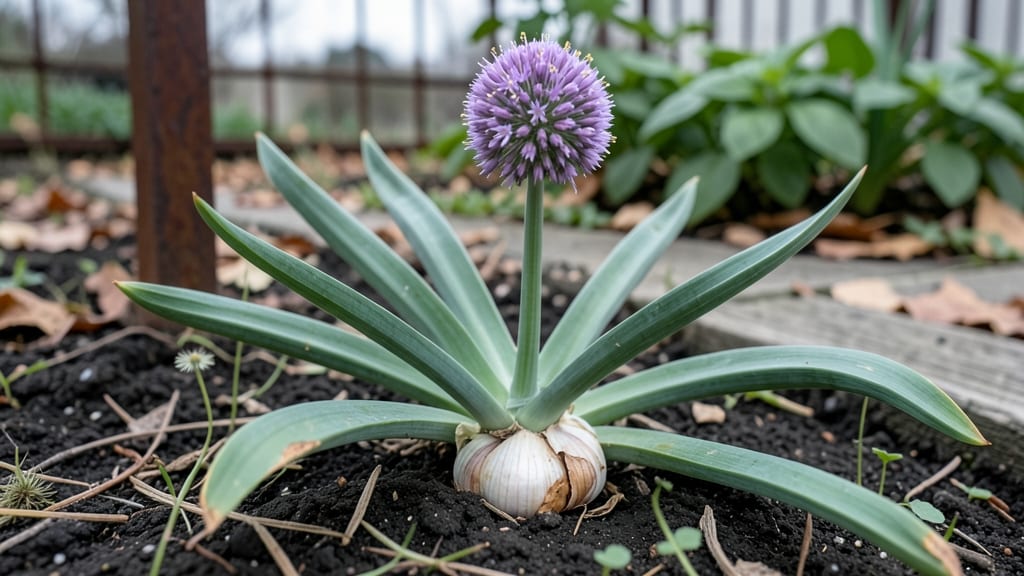
Growing the allium plant seeds requires patience, but the payoff—those dramatic globe-shaped blooms—is worth every step. ✨ I’ve learned the hard way that skipping cold stratification means waiting months for germination, if it happens at all.
The secret to reliable blooms next season lies in mimicking winter’s chill, and I’ll walk you through the exact timeline that works.
You’ll need just three things: allium seeds, a breathable container, and your freezer. The process takes about 6-8 weeks of cold treatment, but it’s simple—no fancy equipment needed. After stratification, seeds sprout faster and stronger, giving you a head start on spring planting.
Most allium varieties, from ornamental onions to garlic chives, respond well to this method.
By following this timeline, you’ll see those first green shoots in 4-6 weeks after planting, leading to sturdy plants ready for transplanting. The blooms that follow are showstoppers—whether you’re growing them for their striking color or culinary uses, the results are always impressive. Let’s get those seeds prepped for success.
This method works for gardeners in all climates, though timing adjustments may be needed for early or late frosts. Once you’ve mastered cold stratification, you’ll never buy allium starts again—they’ll be growing in your garden from seed, every season.
📚 In This Guide
- What you need
- Instructions
- Tips and common mistakes
- Wrapping up and next steps
What you need
- ● Allium seeds: Choose high-quality, organic seeds (e.g., Allium cepa, Allium sativum, or ornamental varieties like Allium giganteum). Aim for 50–100 seeds depending on your project size.
- ● Cold stratification setup: Refrigerator or cold frame: A standard fridge (set to 34–40°F / 1–4°C) or a cold stratification box.
- ● Moistened potting mix or paper towels: A sterilized, well-draining mix (e.g., peat moss + perlite) or damp paper towels to prevent mold.
- ● Containers: Small pots, seed trays, or resealable plastic bags (for paper towel method). Ensure they have drainage holes if using soil.
- ● Spray bottle: For gentle moisture application without over-saturating seeds.
- ● Labeling supplies: Plant markers or masking tape to track seed varieties and stratification dates.
- ● Humidity dome or plastic wrap: To maintain moisture during stratification.
- ● Grow lights or sunny windowsill: For pre- or post-stratification sprouting (if starting indoors).
- ● Thermometer: To monitor fridge temperatures (critical for accuracy!).
- ○ Seedling heat mat (optional): For faster germination after stratification.
Step-by-Step instructions for cold stratifying allium seeds
Here's how to trick allium seeds into blooming reliably next season—no guesswork involved.
🌱 Step 1: Collect and Prepare Mature Seed Heads
Harvest fully mature allium seed heads when they turn brown and papery, typically 6-8 weeks after flowering. I like to wait until they begin splitting open naturally—this ensures maximum viability. Use clean, sharp scissors to snip the stems just above the seed head, leaving 1-2 inches of stem attached.
Spread the seed heads on a paper towel in a dry, well-ventilated spot for 2-3 days to dry completely. This prevents mold and rot during stratification. Once fully dry, gently rub the seed heads between your hands to release the small, dark seeds. Store any unused seeds in a paper envelope (plastic traps moisture) in a cool, dark place until ready to stratify.
💧 Step 2: Moisten and Stratify in a Controlled Environment
Place the seeds in a sealed plastic bag with a damp paper towel—just enough moisture to keep the towel damp, not soggy. I add 1 tablespoon of water to the towel and wring it out gently before folding it around the seeds. Seal the bag loosely (leave a small opening) to allow minimal airflow and prevent condensation buildup.
Place the bag in your refrigerator's crispier drawer, where temperatures hover around 35-40°F. This mimics winter conditions and breaks seed dormancy. Check the seeds weekly—if the towel dries out, mist it lightly with water. After 8-12 weeks, the seeds will look plump and slightly softened, signaling successful stratification.
☀️ Step 3: Plant Stratified Seeds for Spring Growth
Sow the stratified seeds directly in the garden or in 4-inch pots filled with well-draining soil. Plant them ½ inch deep and 1 inch apart—allium seeds are tiny, so I use a toothpick to make individual holes. Water gently but thoroughly, ensuring the soil is evenly moist but not waterlogged. You'll see first true leaves emerge in 4-6 weeks.
If sowing outdoors, choose a location with full sun and protect young seedlings from strong winds until they reach 3-4 inches tall. Mulch lightly with 1 inch of compost to retain moisture and suppress weeds. Avoid fertilizing at this stage—young alliums need time to establish roots before they can handle extra nutrients.
⏰ Step 4: Monitor and Transplant for Next Season's Blooms
Keep the seedlings well-watered, aiming for 1 inch of water per week (more during dry spells). You'll notice basal leaves forming at the plant's base—this is a good sign of strong root development. When seedlings reach 6-8 inches tall, typically in late spring, thin them to 6 inches apart to give each plant room to grow.
Transplant any remaining seedlings to their permanent location in early fall, about 6-8 weeks before your first frost. This gives them time to establish roots before winter. Alliums planted in fall will often bloom the following spring, producing those iconic spherical flowers that attract pollinators all season long.
Tips & tricks for perfect allium seed stratification
Cold stratification might seem like a delicate process, but these key insights will help you achieve reliable blooms every season without the guesswork.
Seed Head Maturity Matters: The 6-8 week waiting period after flowering is critical—don't rush it! I've learned the hard way that harvesting too early results in seeds that won't germinate properly. Look for seed heads that are completely brown and beginning to split open naturally. This indicates the seeds have fully matured and are ready for collection. The 2-3 days of drying time afterward prevents mold and ensures seed viability.
Moisture Control is Key: When creating your damp paper towel environment in Step 2, think "damp, not soggy." The 1 tablespoon of water should barely moisten the towel—excess moisture leads to mold and rot. I use a spray bottle to mist the towel if needed, but never soak it. The goal is to simulate winter moisture without creating anaerobic conditions. The loose seal in the plastic bag allows just enough airflow to prevent condensation buildup, which could smother your seeds.
Temperature Consistency Creates Success: The 35-40°F range in your refrigerator's crispier drawer is non-negotiable for breaking dormancy. I've found that some refrigerators have colder areas—use an appliance thermometer to confirm your crispier drawer maintains this range. Check weekly and adjust by moving the bag to a warmer or cooler spot if needed. The 8-12 week stratification period might seem long, but this cold exposure mimics nature's winter conditions and is essential for reliable germination.
Planting Precision Pays Off: When it's time to plant those stratified seeds in Step 3, precision matters. The ½ inch deep planting depth and 1 inch apart spacing might seem tiny, but allium seeds are delicate. I use a toothpick to make individual planting holes—this gives you better control than trying to poke them directly with your finger. The 4-6 week window for first true leaves is your reward for proper stratification, so don't rush this stage either. Patience here leads to stronger plants.
Pro Tips for Allium Plant Seeds
- Cold stratification might seem like a delicate process, but these key insights will help you achieve reliable blooms every season without the guesswork.
- Seed Head Maturity Matters: The 6-8 week waiting period after flowering is critical—don't rush it!
- Moisture Control is Key: When creating your damp paper towel environment in Step 2, think "damp, not soggy."
Frequently asked questions
Got questions about growing alliums from seeds? You’re not alone!
Here are answers to the most common queries—from timing to troubleshooting—to help you cultivate stunning blooms next season.
How long does it take for allium seeds to germinate?
Allium seeds typically take 4–8 weeks to germinate, depending on the species and conditions. Cold stratification (chilling seeds for 4–6 weeks) can speed this up. Keep soil consistently moist but not soggy—patience is key! If nothing sprouts after 8 weeks, the seeds may need fresh stratification or could be non-viable.
Can I plant allium seeds directly outdoors in fall?
Yes! Fall planting is ideal for many alliums, especially in cooler climates. Sow seeds 6–8 weeks before your first frost (e.g., September–October in most U.S. zones). Lightly cover with soil (¼ inch deep) and mulch to protect them over winter. Spring-planted seeds may need stratification first—check your specific variety’s needs.
What’s the best way to store allium seeds if I can’t plant them right away?
Store seeds in a cool, dry place (like a sealed container in the fridge) for up to 2 years. Keep them away from moisture and direct sunlight. Label the container with the seed type and date—freshness matters! For best results, stratify seeds before planting if storing long-term.
Why aren’t my allium seedlings growing? Troubleshooting tips.
Slow or no growth? Check these fixes:
- Light: Alliums need full sun (6+ hours/day). Move seedlings to a sunnier spot if needed.
- Soil: Ensure well-draining soil—alliums hate soggy roots. Mix in compost for nutrients.
- Pests: Watch for slugs or aphids. Use organic sprays or barriers if pests appear.
- Patience: Some varieties (like Allium giganteum) grow slowly—wait 2–3 years for blooms!
Are there any allium varieties that don’t need cold stratification?
Most alliums benefit from stratification, but a few tropical or Mediterranean species (like Allium sphaerocephalon) may germinate faster without it. Always check the seed packet—some hybrids are bred to skip stratification. If unsure, err on the side of chilling seeds for reliability!
Wrapping up and next steps
Growing allium plant seeds with cold stratification is your secret weapon for vibrant blooms next season! 🌱 By following the right timeline—whether 4-8 weeks for chives or 6-8 weeks for ornamental alliums—you’ll boost germination rates and ensure healthy, thriving plants. Your patience today will reward you with stunning flowers tomorrow!
Ready to take the next step? Start by gathering your seeds and materials, then set your stratification schedule in motion. Before you know it, you’ll be admiring those gorgeous blooms—and maybe even sharing your success with fellow gardeners!