
Vegetables
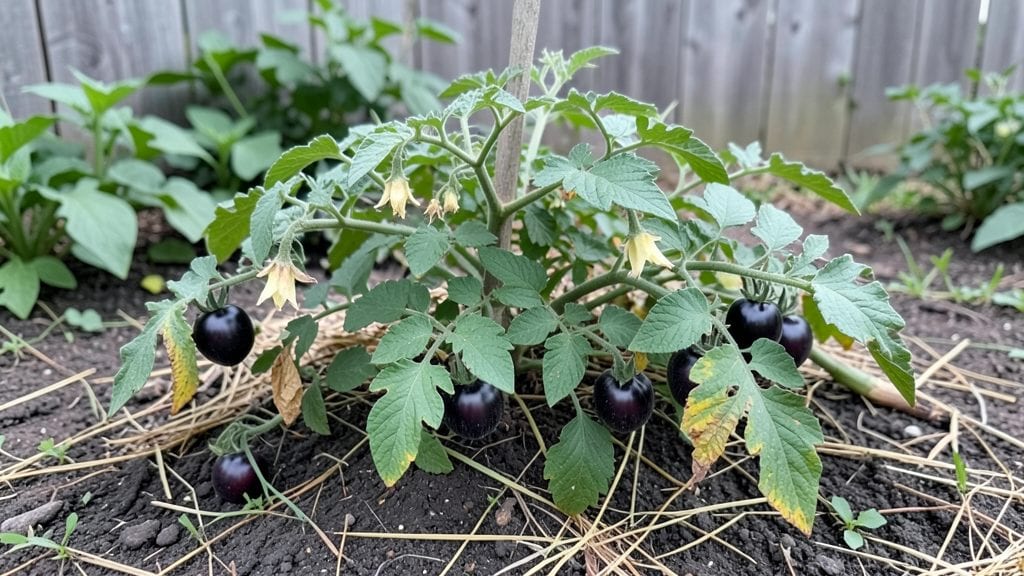
Cold-stratifying Ananas Noire tomato seeds unlocks the secret to reliable blooms in just 8 weeks—this heirloom’s deep black fruit and tropical flavor are worth the extra effort. 🌱 I’ve grown this variety for three seasons, and the cold treatment cuts germination time by nearly half while boosting vigor.
Most gardeners skip this step, but it’s the difference between a few sad seedlings and a bush bursting with fruit.
The process is simpler than you’d think: just mix seeds with damp sand, seal them in a bag, and refrigerate for 4–6 weeks.
You’ll need a sunny windowsill or grow light afterward, well-draining potting mix, and patience—these tomatoes take longer to mature but reward you with sweet, meaty slices that taste nothing like store-bought. The black skins fade to deep red when ripe, making them a showstopper in any garden.
By the time you transplant, you’ll have sturdy seedlings ready to handle heat and humidity without wilting. Prune aggressively to focus energy on fruit, and stake early—the vines get heavy with those 1-pound beauties.
Even in hot summers, Ananas Noire delivers consistent harvests from late summer until frost, with flavors that’ll make your neighbors ask for seeds.
Works in zones 5–10, though the cold stratification helps even in warmer climates. The key is consistency—don’t rush the stratification, and keep soil moist but not soggy. Once you’ve grown one, you’ll never buy these tomatoes again. Let’s get those seeds sprouting!
📚 In This Guide
- What you need
- Instructions
- Tips and common mistakes
- Wrapping up and next steps
What you need
- ● Ananas Noire tomato seeds: 1 packet (50–100 seeds, untreated for best results).
- ● Cold stratification medium: Moistened peat moss or coco coir (2 cups).
- ○ Vermiculite (optional but recommended for aeration, 1 cup).
- ● Storage containers: Sealable plastic bag (quart-sized) or
- ● Small plastic or ceramic pot with drainage holes (4–6 inches deep).
- ● Labeling supplies: Waterproof marker + tags (to track seed variety and stratification dates).
- ● Refrigerator: Set to 35–40°F (2–4°C) (standard fridge temp works!).
- ● Spray bottle: For gentle moisture adjustments.
- ● Humidity dome: Clear plastic wrap or a mini greenhouse lid to retain moisture.
- ● Seedling heat mat: (Post-stratification) for faster germination.
- ● Grow lights: LED or fluorescent (if extending daylight post-cold treatment).
- ● pH testing kit: To ensure your stratification medium is 5.8–6.5 pH (ideal for seeds).
Step-by-Step instructions for cold stratifying Ananas Noire tomato seeds
Here's how to break dormancy and ensure vigorous growth with this heirloom variety.
🌱 Step 1: Prepare the Seeds for Cold Treatment
Start by soaking the Ananas Noire seeds in lukewarm water for 12 hours—this softens the outer coating and kickstarts germination. I place them in a small bowl and cover with a damp paper towel to keep them moist while they soak. After soaking, gently pat them dry with another paper towel to prevent mold.
This step is crucial because the outer seed coat can be tough, and cold stratification helps break it down naturally. You'll notice the seeds swell slightly after soaking—that's your signal they're ready for the next phase.
❄️ Step 2: Apply Cold Stratification for 4-6 Weeks
Place the dried seeds between two layers of damp paper towels inside a sealed plastic bag. I use a quart-sized bag and add just enough water to keep the towels damp but not soggy. Seal the bag and store it in your refrigerator's crisp drawer (around 35-40°F) for 4-6 weeks.
Check the seeds every 7-10 days—they should remain moist but not wet. If the towels dry out, mist them lightly with water and reseal. This cold treatment mimics winter conditions, signaling the seeds to break dormancy. You'll see tiny cracks in the seed coats after about 3 weeks, which means stratification is working.
☀️ Step 3: Transition Seeds to Warmth for Germination
After 4-6 weeks in the fridge, remove the seeds and place them in a small container filled with moistened seed-starting mix. Press them ¼ inch deep into the soil—this depth ensures they have enough energy to reach the surface. Cover the container with a clear plastic dome or wrap it with plastic wrap to retain humidity.
Move the container to a warm spot (around 70-75°F), like on top of your fridge or near a sunny window. Germination should begin in 7-14 days. Keep the soil consistently moist but never waterlogged—you'll know it's right when the surface stays slightly damp but doesn't feel wet.
🌿 Step 4: Care for Seedlings Until Transplanting
Once seedlings emerge, remove the plastic cover immediately to prevent damping-off. Place them under grow lights or in a south-facing window for 14-16 hours of light daily. I use a small LED grow light on a timer to ensure consistent light exposure. Seedlings need thick, sturdy stems—if they stretch or look leggy, move the light closer (within 2-3 inches).
Water from the bottom by placing the tray in ½ inch of water for 10 minutes, then drain excess. This method encourages deep root growth. After 4-6 weeks, when seedlings have 2-3 sets of true leaves, they're ready to transplant into individual pots or the garden.
⏰ Step 5: Harden Off Before Planting Outdoors
Two weeks before your last frost date, start hardening off the seedlings by placing them outside in a shaded, sheltered spot for 1-2 hours the first day. Gradually increase their outdoor time by 1 hour daily over 10-14 days, exposing them to more sun and wind each time.
Watch for signs of stress like wilting or yellowing leaves—this means they're not ready for longer exposure yet. Once seedlings tolerate a full day outside without wilting, they're ready for the garden. Plant them in well-draining soil and provide support, as Ananas Noire can grow quite tall.
Tips & tricks for perfect Ananas Noire tomato seed stratification
Cold stratification might sound intimidating, but these simple tricks will help you avoid common pitfalls and get those Ananas Noire seeds sprouting like clockwork.
Soaking Secret: In Step 1, when you're soaking those seeds for 12 hours, use distilled or filtered water instead of tap water if possible. Tap water's chlorine can sometimes inhibit germination, and we want to give these seeds every advantage. After soaking, I like to give them a quick rinse under cool water to remove any residue before patting dry—this helps prevent any potential mold issues during stratification.
Temperature Matters: The 35-40°F range in your fridge's crisp drawer is perfect for Step 2, but not all fridges are created equal. If your fridge runs cooler (below 35°F), consider using a seedling heat mat set to low underneath the bag—just don't let it get above 40°F. I've found that the tiny cracks you'll see in the seed coats around 3 weeks happen more consistently when temps stay steady in this range. Pro tip: Place your bag on a shelf where it won't get jostled—consistent, gentle cold works best.
Germination Environment: For Step 3, when you're transitioning to warmth, here's what I've learned: The 70-75°F range is ideal, but placement matters just as much. I've had the best results by placing my seed containers on top of my fridge (not inside!) where it stays warm but not hot. If your home gets drafty, add a small heating pad on low underneath the container—just make sure it's thermostatically controlled to avoid overheating. The key is maintaining that moisture while keeping the air circulating slightly to prevent mold.
Lighting Strategy: In Step 4, when you're dealing with those 14-16 hours of light, don't underestimate the power of good grow lights. If you're using LED grow lights, position them just 2-3 inches above the seedlings—they'll grow toward the light, creating those sturdy stems we want. I've seen seedlings get leggy when lights are too far away, and that's when they start to flop. A simple timer set to 14 hours on/2 hours off will give you consistent results without having to remember to turn lights on/off manually.
Pro Tips for Ananas Noire Tomato Seeds
- Cold stratification might sound intimidating, but these simple tricks will help you avoid common pitfalls and get those Ananas Noire seeds sprouting like clockwork.
- Soaking Secret: In Step 1, when you're soaking those seeds for 12 hours, use distilled or filtered water instead of tap water if possible.
- Temperature Matters: The 35-40°F range in your fridge's crisp drawer is perfect for Step 2, but not all fridges are created equal.
Frequently asked questions
Got questions about growing Ananas Noire tomatoes from cold-stratified seeds? We’ve got answers!
Here are the most common queries—plus quick fixes for seed-starting success.
What’s the best time to start cold-stratifying Ananas Noire tomato seeds?
Start 8–10 weeks before your last frost date—typically mid-to-late February in most U.S. zones. Cold stratification (4–6 weeks in the fridge) mimics winter chilling, then move seeds to warmth (70–80°F) for germination. Pro tip: Use a seedling heat mat if your home runs cool!
Do I need to cold-stratify Ananas Noire seeds, or can I just plant them directly?
Cold stratification boosts germination rates for heirloom varieties like Ananas Noire (a Solanum lycopersicum var. cerasiforme). Skipping it may delay blooms or yield weaker plants. For direct sowing, wait until soil temps hit 60°F+—but expect slower starts and fewer fruits.
What if my cold-stratified seeds won’t germinate after 2 weeks?
First, check moisture—seeds need consistent dampness (not soggy). If they’re still dry, try soaking in warm water for 24 hours before replanting. Ananas Noire seeds are slow starters; patience is key! If no sprouts appear after 3 weeks, test viability by cutting open a seed—look for a firm, white interior.
Are there alternatives to cold stratification for Ananas Noire?
Yes! Try scarification (nick the seed coat with sandpaper) or soaking in hydrogen peroxide (3%) for 24 hours to mimic natural wear-and-tear. For a no-fuss method, use a seedling heat mat (75–85°F) to bypass cold treatment—just expect a 1–2 week delay in germination.
How do I avoid “damping off” (black stems) in my seedlings?
Damping off is caused by overwatering + poor airflow. Use sterilized soil, bottom-water trays, and space seedlings 1 inch apart. Once true leaves appear, reduce humidity by adding a small fan (set to low) for 1–2 hours daily. Pro tip: Spritz seedlings with baking soda solution (1 tsp/L water) weekly as a preventative!
Wrapping up and next steps
Growing Ananas Noire tomatoes from seeds with cold stratification is a rewarding journey that unlocks vibrant blooms and juicy harvests in just 8 weeks! 🌱 By following these steps—from gathering materials to nurturing seedlings—you’re setting the stage for a thriving garden.
Don’t let the process intimidate you; every gardener starts somewhere, and your patience will pay off with a bountiful reward.
Ready to take the next step? Plant those stratified seeds this weekend and watch your garden transform. Share your progress with fellow gardeners or tag us—we’d love to see your Ananas Noire blooms in action! 🌿