
Pruning
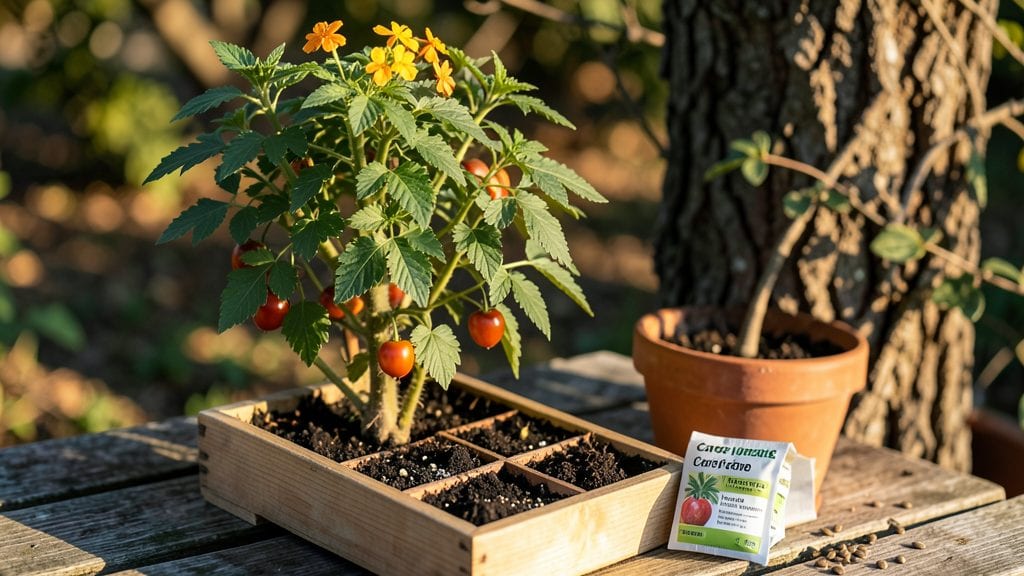
Growing tree tomato seeds from scratch means unlocking a plant that produces vibrant orange fruit with a sweet-tart flavor—exactly like the ones you’d pay $6 for at specialty stores. ✨ I’ve learned the hard way that skipping stratification (that cold treatment) means waiting months longer for blooms, if they ever come.
The secret to reliable growth starts with understanding how to trick these tropical seeds into thinking winter’s passed.
You’ll need just three supplies: a plastic bag with a damp paper towel, a refrigerator, and a sunny windowsill or grow light. Most people overlook the stratification step entirely—it’s the difference between seedlings that bolt to flower in 10-12 weeks and ones that sit stubbornly green for months.
Tree tomatoes thrive in well-draining soil and full sun, but they’re surprisingly forgiving once you get past the germination phase.
By the time you’re pinching off those first yellow blooms, you’ll be harvesting fruit in 6-8 months—long before store-bought plants could even dream of producing. The key is patience: these plants grow fast once they commit, but they need that cold treatment to break dormancy.
Think of it like waking a hibernating bear—gentle, but necessary.
Works in zones 8-11 (and containers for cooler climates), but the stratification trick makes it foolproof even for beginners. Here’s exactly how to time it for your first reliable blooms next season.
📚 In This Guide
- What you need
- Instructions
- Tips and common mistakes
- Wrapping up and next steps
What you need
- ● Tree tomato seeds: 10–20 fresh, high-quality seeds (check for plumpness and no mold).
- ● Stratification medium: Option 1: Damp sphagnum moss (1–2 lbs, must retain moisture but not be soggy).
- ● Option 2: Vermiculite or perlite (1–2 cups, sterilized to prevent fungal growth).
- ● Plastic storage bag or airtight container: A gallon-sized bag with a zipper or a 1-quart container (ensure it’s clean and reusable).
- ● Spray bottle: For misting the medium (1–2 sprays should lightly dampen, not drown).
- ● Small plastic cups or seed trays: 2–4 (for post-stratification germination, 3–4 inches deep).
- ● Potting mix: Seed-starting mix (1–2 bags, sterile and well-draining).
- ● Grow lights or sunny windowsill: Access to 6–8 hours of indirect light daily.
- ○ Gloves (optional): To protect hands from seed coatings or soil (nitrile or gardening gloves work).
- ● Labeling tags: 2–4 (to track seed varieties and stratification dates).
- ○ Thermometer (optional): A small one to monitor temps (ideal range: 60–70°F during stratification).
- ● Patience (non-negotiable!): Tree tomato seeds need 4–8 weeks of stratification—plan ahead!
- ● 🌡️ Cold source: A fridge (set to 35–45°F) is perfect for stratification. Avoid freezer temps!
- ○ ✨ Seed prep: Soak seeds in warm water for 12 hours before stratification to soften the outer shell (optional but helpful).
- ● 🔄 Check moisture: Squeeze the moss/medium—it should feel like a wrung-out sponge. Adjust as needed.
How to stratify tree tomato seeds for faster germination
Stratification mimics nature's way of breaking seed dormancy—here's how to do it right for tree tomatoes.
🌱 Step 1: Prepare Seeds for Cold Treatment
Tree tomato seeds need stratification to break their natural dormancy. Start by placing them in a paper towel or moistened cotton cloth—I like the paper towel method because it wicks moisture evenly without trapping excess humidity. Fold the towel so the seeds are in a single layer, then mist lightly with lukewarm water until damp but not soggy. The goal is to hydrate the seed coat without over-saturating it.
Seal the folded towel in a ziplock bag and squeeze out any excess air before closing. Place the bag in the refrigerator on the crisper drawer shelf where temperatures hover around 35-40°F. This mimics winter's natural cold period, which signals the seed it's time to germinate. Check the bag every 3-4 days—if the towel feels dry, mist it again lightly. Overwatering here will cause mold, so resist the urge to soak.
⏰ Step 2: Monitor the Stratification Timeline
Tree tomato seeds typically require 6-8 weeks of cold stratification, but some varieties may need up to 12 weeks. I mark the bag with a permanent marker so I don’t forget it’s there—these seeds won’t sprout if left too long in the fridge. After 4 weeks, gently open the bag and check for any signs of sprouting. You’ll see tiny white radicles (the embryonic root) emerging first, followed by the cotyledons (first true leaves).
If no sprouts appear after 6 weeks, don’t panic—some seeds take longer. Here’s the thing: consistency matters. Keep the towel moist but not dripping, and maintain that 35-40°F temperature range. If your fridge runs cooler, move the bag to a slightly warmer spot like the vegetable drawer. The moment you see 50% of seeds sprouting, it’s time to move them to warmer conditions.
☀️ Step 3: Transition to Warmth for Germination
Once half the seeds have sprouted, transfer the bag to a warm, dark place—I use the top of my refrigerator or a seedling heat mat set to 75-80°F. Warmth triggers the final germination phase. Within 7-10 days, you’ll see vigorous root growth and the cotyledons pushing through the seed coat. This is the moment that matters: don’t rush it by moving them to light yet.
When 80% of seeds have sprouted, carefully plant them in sterile seed-starting mix about ¼ inch deep. Press the soil gently around the seeds to ensure good contact—this prevents air pockets that can stunt root development. Water lightly from below using a spray bottle to avoid displacing the tiny seedlings. You’ll know moisture is right when the soil surface looks slightly damp but not glistening.
🌿 Step 4: Provide Ideal Growing Conditions
Tree tomato seedlings thrive in bright, indirect light at first. Place them under a grow light or in a south-facing window where temperatures stay between 65-75°F during the day. Avoid direct sunlight initially—it can scorch delicate cotyledons. You’ll see first true leaves (not the cotyledons) emerge in 2-3 weeks, signaling it’s time to gradually introduce more light.
Water when the top inch of soil feels dry to the touch—overwatering at this stage leads to damping-off, a fungal disease that collapses seedlings overnight. I use a small watering can with a fine rose to deliver gentle, even moisture. After 4-6 weeks, when seedlings have 3-4 sets of true leaves, they’re ready for transplanting into 4-inch pots filled with well-draining potting mix.
Tips & tricks for perfect tree tomato seed stratification
A few key strategies will help you achieve reliable germination rates with tree tomato seeds—these are the lessons I learned after years of trial and error.
Moisture Management: In Step 1, the paper towel method is my go-to because it creates the perfect balance of moisture without risking mold. After misting, gently squeeze the towel to remove excess water—you want it damp, not dripping. I've found that checking every 3-4 days is ideal: if the towel feels dry to the touch, give it another light mist. Too much moisture here will trigger mold growth, while too little can prevent germination entirely. The key is consistency—tree tomato seeds need steady hydration without becoming soggy.
Temperature Consistency: The 35-40°F range in your refrigerator's crisper drawer is critical for mimicking winter conditions, but not all fridges are created equal. If your fridge runs cooler, place the bag on the vegetable drawer shelf where it's slightly warmer. I've had success moving bags to a warmer spot if temperatures drop below 35°F—just monitor closely. The moment you see 50% sprouting, that's your cue to transition to warmth, but don't rush this step. Those 6-8 weeks of cold treatment are what breaks dormancy and sets the stage for successful germination.
Visual Cues for Germination: In Step 2, watch for those tiny white radicles—the embryonic roots—that appear first after about 4 weeks. These are your first sign that the stratification process is working. I like to use a magnifying glass to check for sprouting, especially with tree tomato seeds which can be subtle. When you see cotyledons (the first true leaves) pushing through, that's when you know you're close to the 50% sprouting threshold. This visual confirmation is more reliable than guessing based on time alone—some seeds germinate faster, others slower, but the visual cues don't lie.
Transition Strategy: Moving seeds to warmth in Step 3 is where many gardeners make mistakes. I recommend using a seedling heat mat set to 75-80°F for this phase—it creates the ideal environment without risking temperature fluctuations. The warmth triggers the final germination push, and you'll typically see vigorous root growth within 7-10 days. Here's what I've learned: don't expose them to light yet, even if they're sprouting. The cotyledons need to develop fully in darkness before getting their first light exposure. This prevents the delicate seedlings from getting "leggy" or weak.
Pro Tips for Tree Tomato Seeds
- A few key strategies will help you achieve reliable germination rates with tree tomato seeds—these are the lessons I learned after years of trial and error.
- Moisture Management: In Step 1, the paper towel method is my go-to because it creates the perfect balance of moisture without risking mold.
- Temperature Consistency: The 35-40°F range in your refrigerator's crisper drawer is critical for mimicking winter conditions, but not all fridges are created equal.
Frequently asked questions
Got questions about growing tree tomatoes from seeds? You’re not alone!
Here are some of the most common concerns—plus clear, actionable answers to help you succeed.
How long does it take for tree tomato seeds to germinate?
Tree tomato seeds typically sprout within 10–21 days under ideal conditions (warmth, moisture, and indirect light). If your soil stays consistently moist (but not soggy) and temperatures hover around 70–80°F (21–27°C), you’ll likely see tiny sprouts peeking through in about two weeks. Patience is key—some seeds may take longer!
Do tree tomato seeds need stratification? If so, how?
Tree tomato seeds do not require stratification like some tropical plants. Instead, they germinate best in warm soil. For faster results, soak seeds in warm water for 24 hours before planting. Keep them in a humid, warm environment (75–85°F / 24–29°C) until germination. No cold treatment needed!
Can I grow tree tomatoes from store-bought fruit?
Just scoop out the seeds, rinse them gently, and let them dry for 1–2 days before planting. Store-bought tree tomatoes (like those labeled "African cherry" or "pomodoro") work perfectly. Pro tip: If the fruit is fresh, the seeds are more likely to germinate successfully.
Why aren’t my tree tomato seeds sprouting? Troubleshooting tips.
If your seeds aren’t germinating, check these common issues:
- Too cold: Move them to a warmer spot (like near a sunny window or under a heat mat).
- Too dry: Keep the soil consistently moist—not waterlogged, but damp like a wrung-out sponge.
- Old seeds: Fresh seeds sprout better. If yours are over a year old, try soaking them in hydrogen peroxide (3%) for 10 minutes to boost viability.
- Low light: While seeds don’t need light to germinate, indirect sunlight afterward helps seedlings thrive.
Where’s the best place to plant tree tomato seedlings?
Tree tomatoes thrive in full sun (6+ hours daily) and well-draining soil with a pH of 6.0–7.5. In cooler climates, start seeds indoors 8–10 weeks before the last frost, then transplant outdoors after all danger of frost has passed. Bonus: They’re drought-tolerant once established, but young seedlings need regular watering!
Wrapping up and next steps
Growing tree tomatoes from seeds is a rewarding journey that starts with understanding their unique stratification needs. By following the right timeline—whether cold or warm stratification—and providing the ideal conditions, you’ll unlock vibrant blooms and a bountiful harvest. 🌱✨
Ready to take the next step? Grab those seeds, set up your stratification station, and watch your garden transform. Happy planting—and may your tree tomatoes thrive!