
Lawn
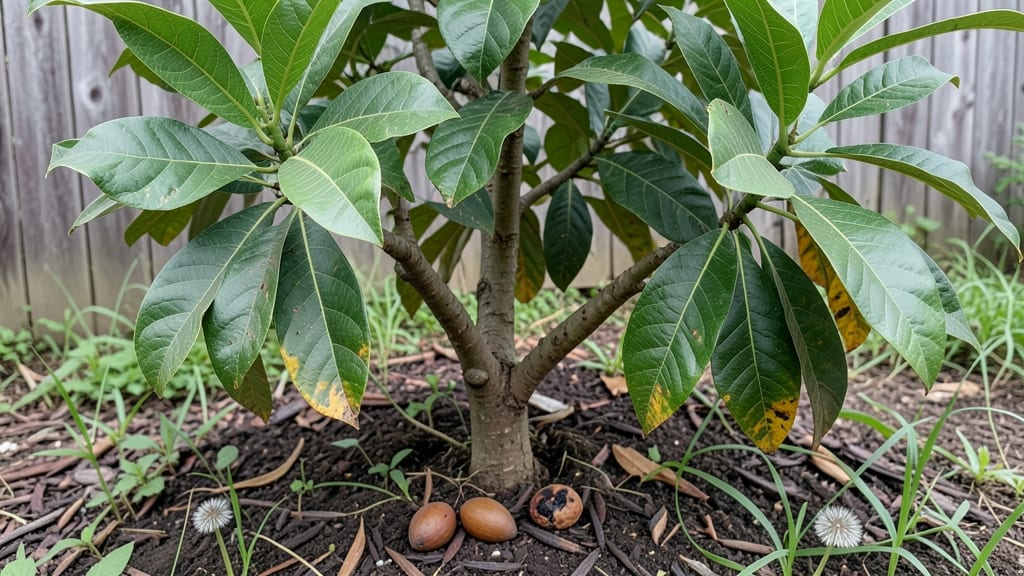
A bad mango seed might seem doomed to rot—but the real problem is how you’re treating it before planting. it. The key isn’t just waiting for sprouts; it’s testing viability first and giving seeds the right conditions.
Most "bad" mango seeds fail because they’re either rotten, underripe, or stored wrong. A quick float test in water separates the good from the bad—sinkers are worth planting, floaters are trash. Even then, proper storage (cool, dry, and sealed) keeps seeds alive for months until planting season.
And if germination still stalls, grafting onto a healthy mango tree might be your backup plan.
With the right approach, you’ll see those first tiny green shoots in just 30 days—not weeks of waiting for nothing. The payoff? A thriving mango tree in your yard, loaded with fruit you’ll actually get to eat. Let’s turn those "bad" seeds into something great.
This works for backyard gardeners, urban growers, or anyone tired of failed seed experiments. The tools you need? A bowl of water, patience, and a sunny spot. No fancy equipment required—just science you can trust.
Hidden Causes Behind Poor Seed Performance
If your mango seeds aren’t sprouting despite your best efforts, the issue likely stems from one (or more) of these common biological and environmental factors. Understanding why seeds fail to germinate is the first step toward fixing the problem—so let’s break it down.
Not all mango seeds are created equal. If the fruit itself was harvested too early—before the seed fully matured—the embryo inside may still be underdeveloped. This is especially true for hybrid or grafted mango varieties, where seeds often lack the genetic vigor needed for germination.
Why it happens:
- Premature harvest: Mangoes picked before full ripeness (e.g., for transport or market sales) may have seeds that haven’t completed their embryonic development. The seed’s radicle (root tip) and plumule (shoot tip) need time to form properly.
- Genetic dormancy: Some mango varieties are bred for fruit quality rather than seed viability. If the parent tree was grafted (a common practice in commercial orchards), the seeds may be sterile or weak.
- Poor pollination: If the flower wasn’t properly pollinated, the resulting seed may lack a viable embryo. This is more common in isolated or self-pollinating trees.
Actionable fix: Always use seeds from fully ripe mangoes that fell naturally from the tree (not store-bought). For best results, select seeds from heirloom or open-pollinated varieties.
Seeds need consistent moisture to activate enzymes that break down stored nutrients (like starches) into energy for the sprouting process. Too little water stalls germination; too much can suffocate the seed or trigger rot.
Why it happens:
- Drying out: Mango seeds have a hard, fibrous outer layer (the endocarp) that slows water absorption. If the soil or growing medium dries out before the seed absorbs enough moisture, the embryo stays dormant.
- Poor drainage: Overwatering or waterlogged conditions cut off oxygen, leading to anaerobic respiration. This produces toxic byproducts like ethanol, which can kill the embryo before it even sprouts.
- Incorrect soaking method: Some growers soak seeds for too short or too long, either leaving the seed dehydrated or softened to the point of damage.
Actionable fix:
- Soak seeds in water for 24–48 hours (change water every 12 hours to prevent bacterial growth).
- Use a well-draining medium like a mix of perlite, coconut coir, and vermiculite (ratio 1:1:1).
- Keep the medium consistently moist (not soggy) by misting lightly every 2–3 days or using a humidity dome.
Mango seeds thrive in warm, tropical climates, but if temperatures stray too far from their ideal range, germination grinds to a halt—or worse, the seed dies. Even subtle shifts in heat or cold can disrupt metabolic processes.
Why it happens:
- Cold shock: Mango seeds germinate best at 75–90°F (24–32°C). If exposed to temperatures below 60°F (15°C) for extended periods, enzymatic activity slows or stops entirely.
- Heat stress: While warmth is essential, temperatures above 95°F (35°C) can denature proteins in the seed, killing the embryo.
- Fluctuating conditions: Seeds are sensitive to rapid temperature swings, which can cause cellular damage or premature dehydration.
Actionable fix:
- Use a seedling heat mat (set to 75–85°F) if your climate is cool.
- Avoid placing seeds in direct sunlight (use indirect light or a shaded propagator).
- If outdoors, choose a microclimate (e.g., near a south-facing wall) to buffer temperature extremes.
Mango seeds are susceptible to pathogens that thrive in damp, warm conditions—the same environment you’re trying to create for germination. Fungal infections like Aspergillus or bacterial rot can silently destroy seeds before you even notice.
Why it happens:
- Contaminated medium: Reusing soil or compost without sterilizing it can introduce harmful microbes. Even "natural" potting mixes may contain fungal spores.
- Poor seed hygiene: Handling seeds with dirty hands or tools can transfer bacteria. Soaking seeds in stagnant water also breeds pathogens.
- Overcrowding: Packing seeds too closely reduces airflow, creating a humid microclimate perfect for mold growth.
Actionable fix:
- Sterilize your growing medium by baking soil at 180°F (82°C) for 30 minutes or using hydrogen peroxide (3% solution, let sit for 10 minutes before rinsing).
- Wash seeds with a 10% bleach solution (1 part bleach to 9 parts water) for 1 minute, then rinse thoroughly.
- Space seeds 1–2 inches apart in the growing tray to improve airflow.
The mango seed’s tough outer shell isn’t just protective—it regulates water and gas exchange. If damaged, the seed may absorb too much water too quickly, leading to rot or failed germination.
Why it happens:
- Cracking during drying: If seeds dry out too slowly after harvest, the endocarp (hard shell) can crack unevenly, exposing the embryo to air and pathogens.
- Mechanical injury: Rough handling (e.g., crushing the seed to "speed up" germination) can puncture the seed coat, disrupting its natural barrier function.
- Improper storage: Storing seeds in plastic bags without ventilation causes condensation, which can soften and weaken the seed coat over time.
Actionable fix:
- After harvesting, let seeds air-dry for 3–5 days in a shaded, well-ventilated area before soaking.
- Handle seeds gently—avoid squeezing or scoring the shell unless you’re pre-treating for scarification (see next section).
- Store seeds in a paper bag or breathable container with a desiccant (like silica gel) in a cool, dry place.
Fixing Failing Mango Seed Sprouts
If your mango seeds are struggling to sprout—or worse, rotting before they even get a chance—don’t toss them just yet! With the right approach, you can turn those stubborn seeds into healthy saplings in 30 days or less.
Below, we break down practical fixes for common issues, paired with prevention tips to keep your next batch thriving.
Fix: Boost Moisture & Warmth Mango seeds need consistent moisture and warmth to break dormancy. If they’re sitting dry or in cold soil, they’ll stay dormant forever.
- 🔥 Pre-Treat with Warm Water: Soak seeds in warm (not hot) water for 24–48 hours before planting.
This softens the hard outer shell and kickstarts germination. - 🌡️ Use a Heat Mat or Sunny Spot: Place your seed-starting tray on a heat mat (70–85°F) or in a south-facing window for 8+ hours of sunlight daily. - 💡 Pro Tip: If seeds still refuse to sprout, nick the seed coat with a sharp knife (just a tiny scratch) to help water penetrate.
Prevention: ✔ Test seed viability first—float seeds in water. If they sink, they’re good; if they float, they’re dead. ✔ Plant at the right depth—only ½ inch deep, with the flat side down.
Fix: Improve Drainage & Reduce Overwatering Too much moisture = fungal rot. If your seeds turn mushy or develop mold, it’s time to adjust your setup.
- 👨🍳 Use Well-Draining Soil Mix: Avoid garden soil—it’s too dense. Instead, blend: - 50% coconut coir or peat moss - 30% perlite or vermiculite - 20% compost - 🥘 Plant in Small Pots with Drainage Holes: Use 4-inch pots (or even egg cartons!) to prevent waterlogging.
Never let seeds sit in soggy soil. - ⏰ Water Smartly: Keep soil moist but not wet—water only when the top ½ inch feels dry.
Prevention: ✔ Sterilize tools & containers with a 10% bleach solution to kill mold spores. ✔ Avoid plastic bags—they trap humidity and encourage rot. Use clear lids instead.
Fix: Natural Pest Control & Fungicide Spray Aphids, mealybugs, or powdery mildew can derail your sprouts before they even stand tall.
- 🔪 Remove Infested Seeds Immediately: If you spot black spots, webbing, or sticky residue, pull the affected seed and quarantine healthy ones. - 🌿 Spray with Neem Oil (1 tsp per cup of water): This natural fungicide stops mold and deters pests.
Reapply every 5–7 days. - 💡 Pro Tip: Cinnamon powder (sprinkled lightly on soil) repels fungi and pests without chemicals.
Prevention: ✔ Inspect seeds before planting—discard any with cracks, holes, or discoloration. ✔ Rotate planting locations if you’ve had past fungal issues.
Fix: Optimize Light & Nutrients If your sprout has yellow leaves, weak stems, or stops growing, it’s likely light-starved or nutrient-deficient.
- 🍳 Provide Grow Lights (12–16 hrs/day): Natural sunlight isn’t enough early on.
Use a LED grow light 2–3 inches above seedlings. - 🥗 Fertilize Lightly (After 2 Weeks): Use a diluted fish emulsion (5-5-5) or seaweed extract—half-strength—every 2 weeks. - 🌡️ Maintain Warmth: Keep temps above 65°F at night.
A heating pad under trays helps in cool climates.
Prevention: ✔ Hardening off seedlings (gradually exposing them to outdoor conditions) 2 weeks before transplanting. ✔ Avoid overcrowding—space seedlings 2 inches apart for airflow.
Before you give up on those mango seeds, run through this quick fix list:
- Soaked in warm water? ✅
- In well-draining soil? ✅
- Getting enough light? ✅
- Free from pests/mold? ✅
- Kept warm & moist (not soggy)? ✅
With these adjustments, you’ll see strong sprouts in 10–14 days—and a mature sapling in 30 days! 🌿🔥
(Need a visual guide? Check out our step-by-step germination timeline in the next section!)
Frequently asked questions
How do I tell if a mango seed is bad before planting?
Use the float test: Place seeds in water for 15 minutes. If they float, they’re hollow or rotten and won’t sprout. Only sinkers are viable. Also check for cracks, mold, or a foul smell—these are red flags.
Why won’t my mango seed sprout even after soaking?
Common reasons include immature seeds (from unripe fruit), damaged seed coats, or temperature issues. Try scarification (lightly nicking the shell) or use a heat mat (75–85°F) to mimic tropical conditions. If all else fails, the seed may be sterile from a grafted parent tree.
Can I still grow a mango tree if my seed is bad?
Yes! If your seed fails, try grafting onto a rootstock from a healthy mango tree. Many nurseries sell pre-grafted saplings. Alternatively, collect fresh seeds from fully ripe, tree-ripened mangoes—these have the highest viability.
How long should I wait before giving up on a seed?
Mango seeds can take 3–6 weeks to sprout under ideal conditions. If no signs of life appear after 8 weeks, the seed is likely non-viable. Keep track of moisture, warmth (75–90°F), and humidity—these are critical.
What’s the best way to store mango seeds for later planting?
Clean seeds, let them air-dry for 3–5 days, then store in a paper bag or breathable container with a desiccant (like silica gel). Keep in a cool, dry place (60–70°F)—they’ll stay viable for 3–6 months. Avoid plastic bags to prevent mold.