Pruning
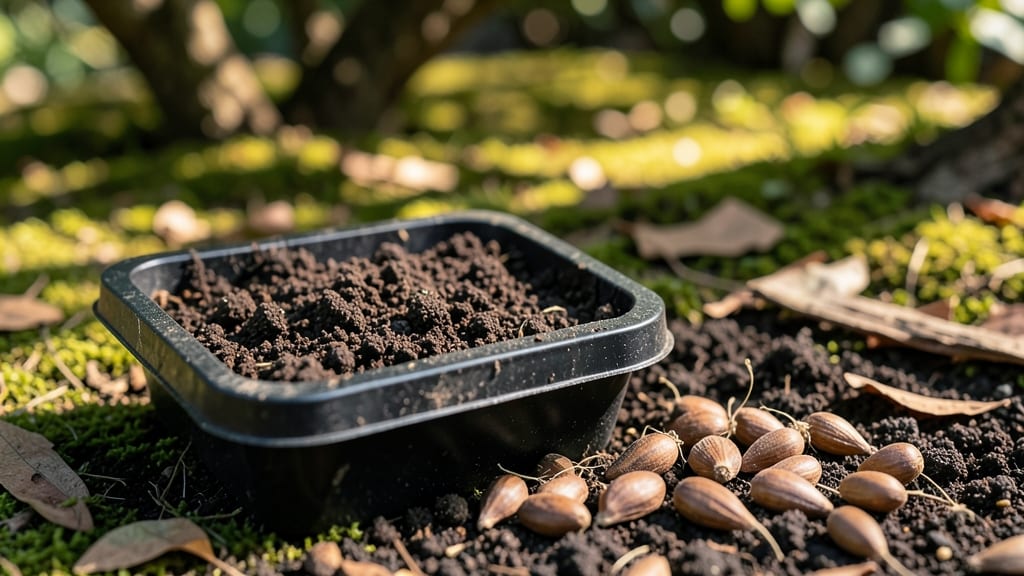
Growing banyan tree seeds from scratch leads to one of nature's most dramatic transformations—those aerial roots and sprawling canopies start as tiny seeds you can hold in your palm. 🌱 The key to success lies in breaking dormancy through stratification, a process that mimics the tree's natural cycle in the wild.
Without it, seeds might sit stubbornly dormant for months, leaving you wondering if they're even viable.
You'll need just three essentials: fresh seeds (preferably from a trusted source), a damp paper towel or peat moss, and patience—this isn't a quick-sprout project. Banyan seeds require 6-8 weeks of cold, moist stratification at 40-50°F to trigger germination.
The payoff? When they finally sprout, those first leaves are shockingly lush for such a massive future tree.
Once sprouted, transplant into a well-draining mix of 60% potting soil and 40% perlite, keeping the soil consistently moist but never soggy. The first year focuses on root development—those iconic aerial roots will start appearing within 3-6 months if conditions are right.
It's a slow burn, but the reward is a tree that grows into a living sculpture over decades.
Fair warning: banyans grow aggressively and need space—at least 20 feet of clearance when mature. If you're working in a container, plan for repotting every 2-3 years as the roots expand.
The real magic happens when you see those first aerial roots reaching for the ground, turning your garden into a tropical wonderland.
📚 In This Guide
- What you need
- Instructions
- Tips and common mistakes
- Wrapping up and next steps
What you need
- ● Banyan tree seeds: 3–5 fresh, viable seeds (preferably from a mature tree for best results).
- ● Stratification medium: Moist peat moss or coco coir (1 small container, ~4–6 inches deep).
- ○ Vermiculite (optional but recommended for drainage—1 small bag).
- ● Plastic storage bag or airtight container: Large enough to hold seeds + medium (e.g., gallon-sized ziplock bag).
- ● Refrigerator: Set to 35–40°F (2–4°C) for cold stratification.
- ● Small pots or seed trays: 3–5 (4-inch diameter minimum) with drainage holes.
- ● Potting mix: Well-draining blend (e.g., 50% peat moss, 30% perlite, 20% sand).
- ● Spray bottle: For gentle watering (avoid soaking!).
- ● Humidity dome or plastic wrap: To retain moisture during germination.
- ● Grow lights or sunny windowsill: Bright, indirect light (6+ hours/day).
- ● Seed scarifier: Sandpaper (medium-grit) to nick seed coats if germination is slow.
- ● Heating mat: For post-stratification warmth (70–75°F/21–24°C).
- ● Fertilizer: Balanced liquid fertilizer (diluted to ½ strength) for seedlings.
- ● Label markers: To track seed varieties and planting dates.
- ● Pruning shears: For future transplanting or shaping (once your tree grows!).
Step-by-Step stratification for banyan tree seeds
Here's my proven method to break dormancy and coax those stubborn banyan seeds into reliable germination.
🌱 Step 1: Collect and Clean the Seeds
Harvest banyan seeds when they're fully ripe but still slightly green—overripe seeds lose viability. Remove any fibrous seed pods by hand, then soak the seeds in lukewarm water for 24 hours to soften the hard outer shell. This pre-treatment prevents cracking during stratification.
After soaking, rub the seeds gently between your palms to remove the outer husk. You'll know they're ready when the inner seed appears smooth and dark brown. Discard any seeds that feel hollow or show dark spots—those won't germinate. Store the cleaned seeds in a paper towel in a sealed container until stratification begins.
⏰ Step 2: Cold Stratify for 6-8 Weeks
Place the moistened seeds between two layers of damp paper towels inside a sealed plastic bag. This mimics winter conditions and breaks dormancy. Keep the bag in your refrigerator's crisp drawer (around 35-40°F) for 6-8 weeks. Check weekly—if the towels dry out, mist them lightly with water and reseal.
You'll see the seeds swell noticeably as they absorb moisture. This is your signal the stratification is working. Don't rush this step—banyan seeds need consistent cold to trigger germination. If you skip stratification, seeds may remain dormant for months or never sprout.
☀️ Step 3: Sow in Warm, Well-Draining Soil
After stratification, fill 4-inch pots with a mix of 50% potting soil and 50% perlite to ensure excellent drainage. Banyan roots are sensitive to rot, so avoid compacted soil. Plant seeds ½ inch deep, spacing them 2 inches apart in each pot.
Water gently until moisture reaches 1 inch below the soil surface, then place pots in a warm location (70-75°F). Use a seedling heat mat if your home runs cooler. Germination typically takes 3-6 weeks, but patience is key—some seeds may take longer. Keep the soil consistently moist but never soggy during this period.
🌿 Step 4: Transplant and Provide Support
Once seedlings develop 2-3 sets of true leaves (about 8-12 weeks after sowing), transplant them into 1-gallon containers with the same soil mix. Banyan trees grow fast and need room—choose pots with drainage holes and sturdy supports for their aerial roots.
Place pots in bright, indirect light for the first month to harden off the seedlings. Gradually introduce morning sun over 2 weeks to prevent leaf scorch. You'll notice new growth accelerate once they adapt to outdoor conditions. Fertilize lightly with a balanced 10-10-10 mix every 6 weeks during the growing season.
✂️ Step 5: Prune and Train for Strong Growth
When seedlings reach 12 inches tall, prune the main stem just above a leaf node to encourage bushier growth. Banyan trees naturally develop aerial roots—leave these alone as they'll strengthen the tree's structure. Use soft ties to guide any leaning stems toward your support structure.
By 6 months, your banyan will need a 5-gallon container or ground planting. Watch for first flower buds in 3-5 years—this is your reward for proper stratification. Mulch around the base with wood chips to retain moisture and protect roots during dry spells.
Tips & tricks for perfect banyan tree seed stratification
These game-changing tips will help you navigate the delicate process of banyan seed germination with confidence and precision.
Timing Secret in Step 1: The 24-hour lukewarm water soak is non-negotiable for banyan seeds. I've learned this the hard way—skipping this step means the hard outer shell won't soften enough, and you'll struggle to remove it without damaging the seed inside. Use a thermometer to confirm the water stays between 75°F and 80°F; cooler water takes longer to work, while hotter water can shock the seed.
Cold Stratification Insight: During the critical 6-8 week cold stratification in Step 2, consistency is everything. I recommend placing your sealed bag of seeds on the refrigerator shelf closest to the back—this maintains the most stable 35-40°F temperature. The seeds need this prolonged cold exposure to break their natural dormancy, so don't be tempted to rush it. You'll know it's working when you see the seeds visibly swell after about 3 weeks.
Soil Mix Strategy: The 50/50 potting soil to perlite mix in Step 3 is crucial for preventing root rot, which is the #1 killer of young banyan seedlings. I always add a handful of coarse sand to this mix for even better drainage. When planting those ½-inch deep seeds, make sure each one has its own "pocket" of soil—crowding them together can lead to competition and poor germination rates.
Germination Patience: Step 3 mentions the 3-6 week germination window, but here's what nobody tells you—the first signs often appear after 4 weeks. Watch for tiny cracks in the seed coat or a slight green tint emerging. If you're not seeing sprouts by week 6, gently check one seed by pressing it between your fingers—if it feels firm and dark, it's still viable. Sometimes they just need a few more days in that warm 70-75°F environment.
Pro Tips for Banyan Tree Seeds
- These game-changing tips will help you navigate the delicate process of banyan seed germination with confidence and precision.
- Timing Secret in Step 1: The 24-hour lukewarm water soak is non-negotiable for banyan seeds.
- Cold Stratification Insight: During the critical 6-8 week cold stratification in Step 2, consistency is everything.
Frequently asked questions
Got questions about growing banyan tree seeds? You’re not alone! Here are answers to the most common queries—from germination tricks to troubleshooting hiccups—so you can nurture your tree with confidence.
How long does it take for banyan tree seeds to germinate?
With proper stratification (4–6 weeks in the fridge), germination typically starts in 2–8 weeks after sowing. Patience is key—some seeds may take longer, especially if they’re older or stored improperly. Keep soil consistently moist (not soggy) and warm (70–80°F) to speed things up!
Can I skip stratification? What happens if I don’t?
Stratification mimics winter conditions, breaking seed dormancy. Skipping it dramatically reduces germination rates—expect only 10–30% success without it. If you’re in a hurry, try soaking seeds in warm water for 24 hours before planting, but stratification remains the gold standard for reliable blooms.
What’s the best soil mix for banyan tree seeds?
Use a light, well-draining mix of:
- 50% peat moss or coco coir (for moisture retention)
- 30% perlite or coarse sand (for aeration)
- 20% compost or worm castings (for nutrients)
My seeds sprouted but the seedlings look weak. What’s wrong?
Weak seedlings often suffer from overwatering, low light, or nutrient deficiency. Fix it by:
Yellow leaves? Reduce water immediately—root rot is a common killer.
Can I grow a banyan tree from seeds indoors?
Yes! Banyan trees thrive indoors as long as you meet their needs:
- Light: 6+ hours of sunlight daily (supplement with grow lights if needed).
- Space: They grow fast—plan for a 10+ foot ceiling or prune aggressively.
- Humidity: Mist leaves or use a pebble tray to combat dry indoor air.
Wrapping up and next steps
Growing banyan tree seeds into thriving plants is all about patience and the right techniques—like stratification. By mimicking nature’s timing, you’ve set the stage for reliable blooms and lush foliage. Whether you’re a seasoned gardener or just starting, these steps empower you to nurture something truly special.
Ready to take the next step? Plant your prepped seeds in well-draining soil and watch your banyan tree grow! 🌱 For extra tips, explore local climate guides or join gardening forums to share your progress.