Planting
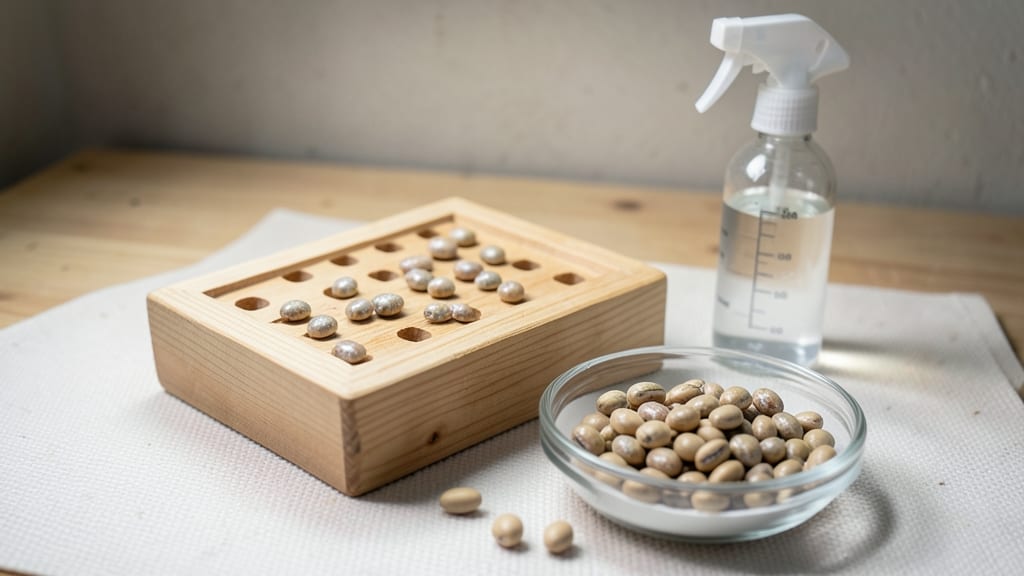
Biological seed coating boosts germination rates and plant health by delivering natural microbes, nutrients, and protective polymers that strengthen root growth and soil interaction. These eco-friendly treatments create healthier seedlings with built-in disease resistance.
This innovative approach replaces chemical treatments by leveraging nature's own tools—think of it as a probiotic for your plants. 🌱 The coatings contain beneficial bacteria like Rhizobium that form symbiotic relationships with roots, while polymers create a protective barrier against soilborne pathogens.
Unlike synthetic coatings, these biological versions break down harmlessly, leaving no residue while improving nutrient absorption. For gardeners, this means fewer failed sprouts and stronger plants from the start.
What sets biological coatings apart is their crop-specific customization. For example, legumes benefit most from nitrogen-fixing microbes, while cereals thrive with mycorrhizal fungi that expand root networks. The coatings also work beautifully with organic farming practices, eliminating concerns about chemical runoff or soil contamination.
💡 In This Article
- How Biological Seed Coatings Work: Microbial and Nutrient Mechanisms
- Choosing the Right Biological Seed Coating for Your Crops
How biological seed coatings work: microbial and nutrient mechanisms
The magic of biological seed coatings lies in their three-pronged approach: microbial inoculation, nutrient delivery, and protective encapsulation. When you apply these coatings, you're essentially giving seeds a survival kit packed with beneficial bacteria like Rhizobium (which fixes nitrogen) and Pseudomonas (a natural pathogen suppressor).
These microbes form biofilms on the seed surface, creating a protective matrix that shields against harmful soil microbes while establishing symbiotic relationships with emerging roots. The science here is fascinating—these biofilms can increase water retention by up to 30% while maintaining oxygen flow to the seed.
Polymers like chitosan (derived from shrimp shells) and alginate (from seaweed) play a structural role, forming a semi-permeable barrier that controls moisture loss and gas exchange. This isn't just about keeping seeds hydrated—it's about creating an optimal microclimate where beneficial microbes can thrive.
For example, Trichoderma fungi in the coating produce enzymes that break down plant cell walls, helping roots penetrate soil more easily. Studies show coatings with mycorrhizal fungi can increase root surface area by 50-70%, dramatically improving nutrient uptake.
The nutrient aspect is where things get particularly interesting. Coatings often include slow-release fertilizers like humic acids or kelp extracts that provide immediate energy for germination while polymers like alginate create a reservoir system.
What's remarkable is how these nutrients get delivered precisely when needed—during the critical 48-72 hour germination window when seeds are most vulnerable.
The microbial component also produces growth hormones like auxins that stimulate cell division in emerging roots, creating a feedback loop where better root development leads to more efficient nutrient absorption.
What most gardeners don't realize is how these coatings work against pathogens. The Pseudomonas strains in coatings produce antibiotics called pyoluteorin and 2,4-diacetylphloroglucinol that suppress soilborne diseases like Pythium and Fusarium.
This chemical defense system operates silently in the soil, creating what scientists call "induced systemic resistance" in the plant. The physical barrier of the coating also prevents harmful microbes from colonizing the seed surface before germination.
Consider the case of legume seeds coated with Rhizobium bacteria—they can fix atmospheric nitrogen directly into plant-usable forms, reducing the need for synthetic fertilizers by up to 30-50%. Meanwhile, cereal coatings with Azospirillum bacteria promote deeper rooting patterns that improve drought resistance.
The beauty is in the specificity: each microbial strain targets particular plant needs, creating a tailored growth environment that would be impossible to replicate with chemical treatments alone.
The breakdown process is equally impressive. Unlike synthetic coatings that leave toxic residues, biological coatings degrade through natural microbial action in the soil. The polymers biodegrade within 2-4 weeks, while the microbial populations either integrate into the soil ecosystem or get outcompeted by native microbes.
This creates a self-sustaining cycle where each treated seed improves the soil for future plantings—a concept known as "soil biological enhancement." 🌱