Light Requirements
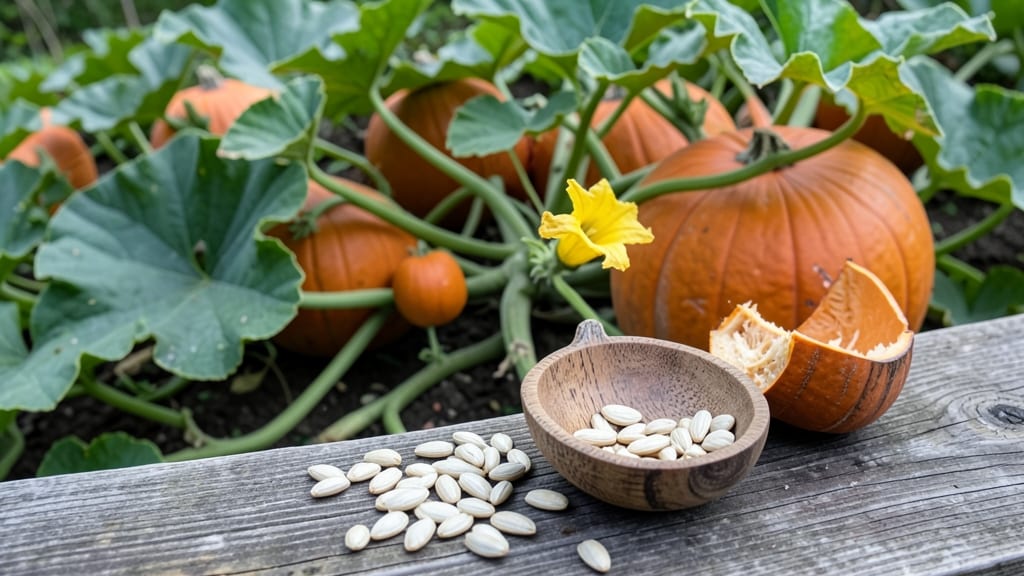
Eating pumpkin seeds while pregnant is generally safe in moderation, as they provide magnesium, zinc, and healthy fats, but should be consumed raw or lightly roasted to avoid potential salmonella risks from raw seeds. Always consult your doctor if unsure about portion sizes or allergies.
You can safely enjoy pumpkin seeds during pregnancy because they're packed with nutrients like magnesium (which helps regulate blood pressure) and zinc (essential for fetal development). 💫 The key is moderation—stick to about 1-2 ounces per day—and always opt for roasted seeds to eliminate salmonella risks.
Many pregnant women also appreciate their high fiber content, which can ease digestion during pregnancy. However, if you have a nut allergy or digestive sensitivities, unsalted seeds are usually the gentlest option.
For extra safety, store seeds in an airtight container in a cool, dry place to preserve freshness. If you're unsure about portion sizes or have specific dietary concerns, your healthcare provider can offer personalized advice tailored to your needs.
💡 In This Article
- Pumpkin Seed Nutrition for Pregnant Women
- Safe Pumpkin Seed Consumption Tips for Pregnancy
Pumpkin seed nutrition for pregnant women
Pumpkin seeds are a powerhouse of nutrients that can be especially beneficial during pregnancy. They're rich in magnesium—about 162 mg per ounce—which helps regulate muscle and nerve function while supporting blood pressure control, a critical factor during pregnancy when hypertension risks increase.
The seeds also contain zinc (2.2 mg per ounce), vital for fetal growth and immune system development, and iron (1.5 mg per ounce), which combats pregnancy-related anemia by aiding red blood cell production.
The omega-3 fatty acids in pumpkin seeds—around 540 mg per ounce—play a crucial role in brain development for the baby while also reducing inflammation that can cause swelling in pregnant women.
These healthy fats also contribute to the seeds' satisfying, buttery flavor and crunchy texture, making them an appealing snack. What's unique is their balanced nutrient profile: unlike many nuts, pumpkin seeds provide these benefits without excessive calories or saturated fats, making them a pregnancy-friendly choice.
Here's what these nutrients actually do during pregnancy: magnesium helps prevent leg cramps and constipation, zinc supports DNA synthesis for the developing fetus, and iron prevents fatigue—a common complaint in the first trimester.
The seeds' high fiber content (1.7 g per ounce) also aids digestion, which can become sluggish during pregnancy. However, this fiber benefit comes with a caveat: too much at once can cause bloating, so portion control is key.
One often-overlooked benefit is pumpkin seeds' high antioxidant content, particularly vitamin E (1.4 mg per ounce) and vitamin K (4.2 mcg per ounce). These antioxidants help protect cells from oxidative stress, which increases during pregnancy due to elevated metabolic demands.
The vitamin K also supports blood clotting, though pregnant women should monitor intake if they're taking blood thinners. The seeds' mild, earthy flavor makes them versatile—perfect for sprinkling on salads, blending into smoothies, or enjoying as a standalone snack.
For women experiencing pregnancy-related swelling, pumpkin seeds offer a natural solution. Their potassium content (195 mg per ounce) helps balance sodium levels, while the magnesium promotes proper fluid balance.
The seeds' low glycemic index also makes them ideal for managing blood sugar spikes, which can be problematic during pregnancy. What most people don't realize is that these benefits come without the caffeine found in many pregnancy-safe snacks, making pumpkin seeds a truly wholesome option.
The nutrient density becomes even more impressive when compared to other pregnancy-friendly snacks. For example, an ounce of pumpkin seeds provides nearly 30% of the daily magnesium requirement for pregnant women, while similar portions of almonds or sunflower seeds offer far less.
Their compact size also makes them easy to carry, perfect for satisfying cravings on the go without requiring extensive preparation.