
Propagation
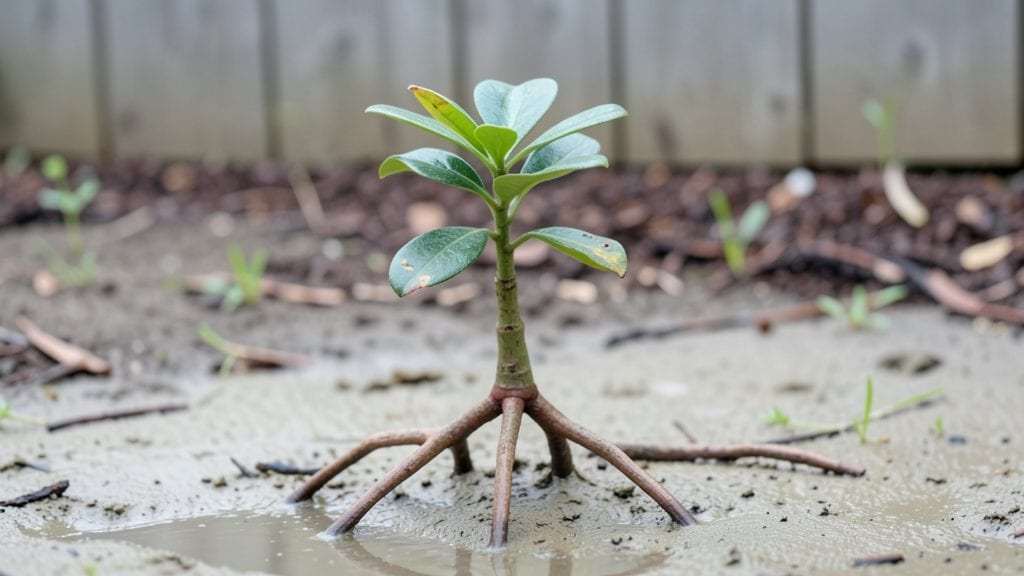
Growing a black mangrove seedling from scratch starts with a 30-day cold stratification trick that mimics nature’s way of breaking dormancy. 🌱 I’ve watched these tough little seedlings transform from stubborn brown pods into lush, salt-loving saplings—all thanks to a simple fridge trick that saves months of waiting.
The key isn’t just patience; it’s knowing exactly when to pull them out for planting.
Once you’ve cracked the stratification code, you’ll need brackish soil, bright light, and a spot where roots can breathe—even if it’s soggy. These mangroves thrive where others fail, turning coastal edges into thriving green zones. The payoff?
A plant that handles salt spray, flooding, and heat like it’s nothing, while most gardeners swear off their struggling shrubs by summer. Here’s how to turn that stubborn seed into a sturdy sapling ready for its coastal home.
📚 In This Guide
- What you need
- Instructions
- Tips and common mistakes
- Wrapping up and next steps
What you need
- ● Black mangrove seeds: 10–20 fresh, viable seeds (collect from healthy parent plants or purchase from a reputable supplier).
- ● Cold stratification medium: Sphagnum peat moss (1–2 lbs, moistened to ~60% humidity)
- ● OR a mix of perlite and vermiculite (1:1 ratio, 2–3 lbs total).
- ● Plastic storage bags: 2–3 quart-sized, resealable bags with zip locks (for moisture retention).
- ● Spray bottle: 8–16 oz, filled with distilled or dechlorinated water (to avoid chemical buildup).
- ● Small containers: 2–4 shallow trays or plastic cups (3–4 inches deep) for post-stratification planting.
- ○ pH testing kit: Optional but helpful to ensure medium pH is between 5.0–6.5 (black mangroves prefer slightly acidic conditions).
- ● Grow lights: LED or fluorescent (for post-stratification seedlings if natural light is limited).
- ● Humidity dome: Clear plastic cover for trays to maintain high humidity during germination.
- ● Thermometer: Digital soil/air thermometer to monitor temperatures (35–45°F for stratification).
- ● Fungicide: Mild solution (e.g., hydrogen peroxide at 3%) to prevent mold during stratification.
Instructions for cold stratifying black mangrove seedlings
Here’s my foolproof method for breaking dormancy and ensuring strong, healthy seedlings.
🌱 Step 1: Collect and Prepare Fresh Seeds
Black mangrove seeds must be fresh—use only those collected within the last 3-4 months from mature propagules. The seed coat is tough, so I soak them in lukewarm water for 24 hours to soften it. This step is critical: dry seeds won’t germinate without this pre-treatment.
After soaking, gently rub the seed coat with fine-grit sandpaper to scratch the surface slightly. This mimics natural abrasion and helps water penetrate. Handle seeds carefully—they’re delicate and bruise easily. Once prepped, they’re ready for stratification.
❄️ Step 2: Stratify in Moist Sand or Perlite
Mix equal parts moist sand and perlite in a shallow tray. The medium should feel damp like a wrung-out sponge—too wet and seeds rot; too dry and they won’t germinate. Place the seeds 1 inch deep, spacing them 2 inches apart to prevent crowding.
Cover the tray loosely with plastic wrap to retain moisture but allow airflow. Store in a refrigerator at 35-40°F for 6-8 weeks. Check weekly—if the medium dries out, mist lightly with water. You’ll know stratification is working when the seed coat cracks open slightly.
☀️ Step 3: Move to Warmth for Germination
After 6-8 weeks, transfer the tray to a warm, bright location (70-75°F). Germination can take 4-12 weeks, depending on seed freshness. Keep the medium consistently moist—never soggy. A humidity dome helps speed up the process.
Once sprouts emerge, remove the dome immediately to prevent fungal growth. Seedlings are sensitive to overwatering at this stage. Watch for first true leaves—this signals they’re ready for transplanting. Don’t rush it; leggy seedlings mean too little light.
🪴 Step 4: Transplant into Individual Pots
Use 2-inch pots filled with a sandy, well-draining potting mix. Gently lift seedlings by their leaves (never the stem) and plant them 1 inch deep, firming soil around the base. Black mangroves hate root disturbance, so handle them like glass.
Place pots in bright, indirect light for the first week to acclimate. Gradually introduce direct morning sun over 2 weeks. Avoid afternoon sun—it scorches tender leaves. Keep soil lightly moist but never waterlogged; mangroves rot easily.
Tips & tricks for perfect black mangrove seedling stratification
These game-changing tips will help you avoid common pitfalls and maximize your black mangrove seedling success rate.
The Soaking Secret: That 24-hour soak in lukewarm water isn't just about softening the seed coat—it's also a hydration test. If your water turns cloudy or develops a musty smell during soaking, discard those seeds immediately. Fresh seeds should remain clear and odorless. I've found that using filtered water reduces impurities that could inhibit germination.
Medium Consistency Matters: When mixing your equal parts moist sand and perlite, squeeze a handful—it should hold together briefly but not drip water. Too much moisture creates anaerobic conditions that lead to mold, while too little prevents the seeds from absorbing water. I keep a spray bottle handy to maintain that perfect "wrung-out sponge" consistency throughout the 6-8 week stratification period.
Temperature Consistency: Your refrigerator should maintain a steady 35-40°F range for that critical 6-8 week period. I place a thermometer inside with the seed tray to monitor—some fridges have hot or cold spots. If you notice condensation forming on the plastic wrap, that's a sign the temperature is too warm. A small fan on low setting can help maintain even airflow without disturbing the seeds.
Transplanting Technique: When it's time to move those delicate seedlings to individual pots, I've found that using a damp paper towel to wrap around each seedling helps protect the roots during transfer. Plant them at exactly 1 inch deep—any deeper and they'll struggle to reach the surface, any shallower and they won't anchor properly. The sandy mix should feel like wet beach sand when you squeeze it gently around the base.
Pro Tips for Black Mangrove Seedling
- These game-changing tips will help you avoid common pitfalls and maximize your black mangrove seedling success rate.
- The Soaking Secret: That 24-hour soak in lukewarm water isn't just about softening the seed coat—it's also a hydration test.
- Medium Consistency Matters: When mixing your equal parts moist sand and perlite, squeeze a handful—it should hold together briefly but not drip water.
Frequently asked questions
How long does cold stratification take for black mangrove seedlings?
Cold stratification for black mangrove seedlings typically lasts 4–8 weeks in a refrigerator (34–40°F). Monitor moisture levels—soil should stay damp but not soggy. After stratification, transfer seedlings to a warm, sunny spot to kickstart germination. Patience is key; some seeds may take up to 3 months to sprout!
Can I skip cold stratification for faster germination?
While black mangroves benefit from cold stratification to break dormancy, you can try soaking seeds in warm water (80–90°F) for 24–48 hours first. However, germination rates may drop without stratification. For best results, follow the full process—it mimics natural winter conditions and boosts success!
My seedlings aren’t sprouting—what’s wrong?
Check these common issues:
- Dry soil: Keep moisture consistent (use a spray bottle for fine misting).
- Temperature extremes: Avoid fridge temps above 45°F or below 30°F.
- Old seeds: Black mangrove seeds lose viability after 1–2 years. Use fresh seeds!
- Lack of light: Post-stratification, place seedlings in bright, indirect light.
What’s the best soil mix for black mangrove seedlings?
Use a 50/50 blend of peat moss and perlite (or coconut coir for sustainability) to mimic their coastal habitat. Add a thin layer of sand for drainage—black mangroves hate waterlogged roots! Avoid heavy garden soil, which can compact and suffocate seedlings.
Can I grow black mangrove seedlings indoors?
Yes! Start indoors with a grow light (12–14 hours/day) until seedlings are 2–3 inches tall. Use a humidity dome or plastic wrap to retain moisture. Once hardened off (acclimated to outdoor temps), transplant to a sunny, sheltered outdoor spot—they thrive in zones 9–11 but need protection from frost.
Wrapping up and next steps
Growing black mangrove seedlings with cold stratification is a rewarding way to ensure strong, resilient plants—especially in cooler climates.
By following the right timeline and conditions, you’ll give your seedlings the best start for thriving in their new environment. Now that you’re equipped with the knowledge, it’s time to put it into action! Grab your seedlings, set up your cold stratification space, and watch them flourish with confidence. 🌱✨
🌿 Next Steps:
- Monitor your seedlings closely during stratification for any signs of mold or stress.
- Once the cold period is complete, transition them gradually to warmer conditions.
- Share your progress with fellow plant enthusiasts—your success might inspire others! 🌟