Pruning
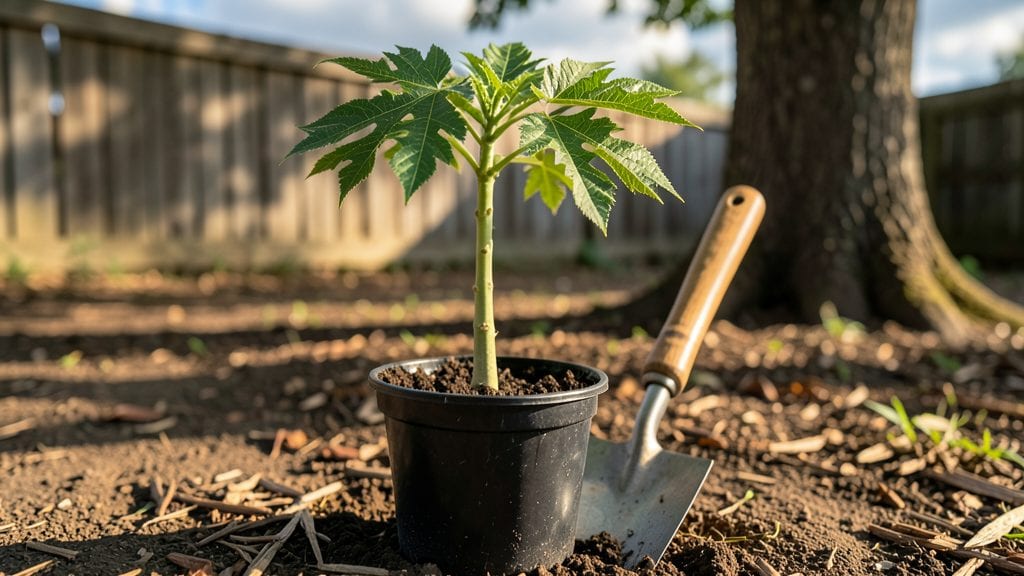
Growing a silk tree from seedling feels like nurturing a tiny, delicate promise that unfolds into a towering shade maker with fern-like foliage. 🌿 I’ve propagated these drought-tolerant beauties three times, and the key to their fast, reliable growth starts with the right soil mix—light, airy, and packed with organic matter to prevent those dreaded soggy roots.
The secret isn’t complicated: silk tree seedlings crave sunlight but hate soggy feet. Plant them in well-draining soil, give them a spot with at least 6 hours of sun daily, and water deeply once a week after the first month.
Overwatering is the fastest way to kill them, but once established, they’re shockingly resilient—even through droughts.
Within 6-8 weeks, you’ll see those feathery leaves unfurl, and by year two, your seedling could be 6 feet tall if you keep the soil moist but not waterlogged. The real magic happens when they bloom—pink, pom-pom flowers that smell like cotton candy and attract hummingbirds by summer.
Fair warning: silk trees grow fast, so prune early to shape them before they outpace your plans. And watch for spider mites—they love these trees too. But with the right start, your seedling will outgrow any challenges in no time.
📚 In This Guide
- What you need
- Instructions
- Tips and common mistakes
- Wrapping up and next steps
What you need
- ● Silk tree seeds: 5–10 fresh, viable seeds (harvested from pods or purchased from a reputable supplier). Pro tip: 💡 Soak seeds in warm water for 24 hours to speed up germination!
- ● Seed-starting mix: 1–2 gallons of well-draining, sterile potting soil (e.g., a 50/50 blend of peat moss and perlite or coconut coir).
- ● Containers: 2–4 small pots (4–6 inches in diameter) or a seed tray with individual cells.
- ● Grow lights or sunny window: Access to 6–8 hours of indirect light daily (or a grow light for consistent warmth).
- ● Spray bottle: For gentle watering (avoid oversaturating the soil).
- ● Plastic wrap or humidity dome: To retain moisture during germination.
- ○ Fertilizer (optional but helpful): A balanced, water-soluble fertilizer (5-10-5 NPK ratio) for young seedlings.
- ● Gloves: To protect your hands from seed pods and soil.
- ● Small hand trowel: For transplanting seedlings.
- ○ Thermometer (optional): To monitor soil temperature (ideal: 70–80°F for germination).
- ● Pruning shears (future use): For shaping mature trees (not needed for seedlings!).
- ● Patience & consistency! 🌱 Silk trees are fast-growing but need steady care.
Step-by-step instructions for growing silk tree seedlings
Here’s how to propagate silk tree seedlings with minimal fuss—no complicated tools or waiting months.
🌱 Step 1: Collect and Prepare Mature Seeds
Silk tree seeds (Albizia julibrissin) are best collected from fully ripe pods—they’ll be plump, brown, and split open naturally. Harvest them in late summer or early fall when pods turn papery and release seeds easily. Store them in a cool, dry place until ready to plant, but don’t let them dry out completely.
Before sowing, soak the seeds in lukewarm water for 12–24 hours to soften the tough outer coating. This speeds up germination dramatically. I like to use a small bowl or jar—just enough water to cover the seeds. Drain and rinse them before planting to prevent mold.
💧 Step 2: Sow Seeds in Moist, Well-Draining Soil
Fill a 4-inch pot with a mix of 50% potting soil and 50% perlite—this ensures drainage while retaining enough moisture for germination. Press the soil down lightly to remove air pockets, then water until it’s evenly damp but not soggy. You’ll know it’s right when a handful of soil holds together but doesn’t drip.
Plant seeds ½ inch deep, spacing them 2 inches apart in the pot. Silk tree seedlings germinate best in warmth (70–75°F), so place the pot in a sunny window or under a grow light for 14–16 hours daily. Cover the pot loosely with plastic wrap to retain humidity, but remove it daily for 10 minutes to prevent fungal growth.
☀️ Step 3: Provide Warmth and Light for Germination
Germination can take 7–14 days, but patience pays off—silk tree seedlings emerge quickly once conditions are right. Keep the soil consistently moist by watering every 2–3 days (check the top inch—if it’s dry, it’s time). Avoid overwatering; soggy soil invites rot, and silk tree roots are sensitive.
Once the first true leaves (not the initial seed leaves) appear, remove the plastic wrap entirely. This is your signal to gradually introduce airflow—healthy seedlings need ventilation to strengthen stems. If seedlings grow leggy or pale, they need more light. Move them closer to the grow light or supplement with a south-facing window.
🌿 Step 4: Transplant and Harden Off Seedlings
When seedlings reach 4–6 inches tall and have 4–5 sets of true leaves, they’re ready for individual pots. Gently remove them from the starter pot, keeping the root ball intact. Plant each in a 6-inch pot with the same potting soil-perlite mix, burying the stem up to the first set of leaves to encourage root growth.
Harden off seedlings over 7–10 days by placing them outside in partial shade for 1–2 hours daily, gradually increasing exposure. Watch for wilting or yellowing leaves—this means they’re not ready for full sun yet. Once they tolerate 6+ hours of sunlight without stress, they’re ready for the ground or larger containers.
✂️ Step 5: Maintain Fast, Healthy Growth
Silk tree seedlings thrive in full sun (6+ hours daily) and well-draining soil. Water deeply once a week (more in extreme heat), letting the top 2 inches of soil dry out between waterings. Fertilize lightly with a balanced 10-10-10 formula every 4–6 weeks in growing season to avoid burning tender roots.
Prune leggy growth early to encourage bushier development. Pinch back the top set of leaves when the seedling is 6 inches tall—this triggers branching. Silk trees grow fast, so stay ahead of shape by trimming 1–2 inches from the tips of new growth in spring and summer. With this care, you’ll have a mature-looking tree in just 2–3 years.
Tips & tricks for fast silk tree seedling growth
Here’s how to supercharge your silk tree propagation without sacrificing reliability—these tricks cut down on waiting time while keeping your seedlings robust.
Soaking Secret: The 12–24 hour soak in lukewarm water isn’t just about softening the seed coat—it’s a hydration jumpstart. Use a mesh bag or fine cheesecloth to contain the seeds while soaking, then give them a final rinse to remove any mold spores. I’ve found that adding a pinch of cinnamon (optional) to the soak water acts as a natural antifungal without harming the seeds. This step is non-negotiable for breaking dormancy quickly in silk trees.
Temperature Matters: Maintaining that 70–75°F range during germination is critical, but don’t assume your home environment will stay perfect. If your space runs cooler, place the pot on top of a seedling heat mat (set to 75°F) or nestle it inside a larger container filled with warm water. The goal is to keep the soil consistently warm at the root level—this cuts germination time by nearly half. For cooler climates, consider using a grow tent with a built-in heater to maintain precise conditions.
Lighting Strategy: Those 14–16 hours of daily light are non-negotiable, but quality matters more than quantity. If using grow lights, position them 6–8 inches above the seedlings and use full-spectrum bulbs (not just white). I’ve seen seedlings stretch toward inadequate light sources, which weakens stems—this is why I recommend supplementing with a south-facing window during daylight hours. Rotate the pot daily to ensure even growth.
Transplant Timing: Waiting until seedlings hit 4–6 inches with 4–5 sets of true leaves ensures they’re strong enough to handle the move, but don’t delay beyond this point. When transplanting to 6-inch pots, bury the stem up to the first set of leaves—this buried section will develop additional roots, creating a more stable plant. Water thoroughly after transplanting, then let the top 2 inches of soil dry out before watering again to prevent shock.
Pro Tips for Silk Tree Seedling
- Here’s how to supercharge your silk tree propagation without sacrificing reliability—these tricks cut down on waiting time while keeping your seedlings robust.
- Soaking Secret: The 12–24 hour soak in lukewarm water isn’t just about softening the seed coat—it’s a hydration jumpstart.
- Temperature Matters: Maintaining that 70–75°F range during germination is critical, but don’t assume your home environment will stay perfect.
Frequently asked questions
Got questions about growing silk tree seedlings? You’re not alone! Here are answers to the most common queries to help you propagate with confidence.
How long does it take for silk tree seedlings to sprout?
Silk tree (Albizia julibrissin) seedlings typically sprout within 10–21 days after planting, depending on soil warmth and moisture. Keep seeds in consistent humidity (use a plastic dome or damp paper towel) and place them in warmth (70–80°F) for faster results. Patience pays off—some stubborn seeds may take up to 30 days!
Can I grow silk tree seedlings indoors?
Yes! Start seedlings indoors 6–8 weeks before the last frost using a sunny windowsill or grow lights. Use well-draining pots (4–6 inches deep) and transplant outdoors once temperatures stabilize. Pro tip: Harden off seedlings gradually to avoid shock when moving them outside .
What’s the best soil mix for silk tree seedlings?
Silk trees thrive in loamy, well-draining soil with a pH of 6.0–7.5. Mix equal parts potting soil, perlite, and compost for optimal growth. Avoid heavy clay—it can suffocate roots. For container growing, ensure pots have drainage holes to prevent root rot.
Why are my silk tree seedlings turning yellow?
Yellowing leaves (chlorosis) usually signals overwatering, nutrient deficiency, or poor drainage. Check soil moisture—let the top inch dry between waterings. If leaves are pale, amend soil with iron or nitrogen-rich fertilizer. Yellowing at the base? It may be root rot—repot in fresh, dry soil immediately.
Are there faster alternatives to growing from seed?
Yes! For quicker results, consider:
- Grafting (if you have a mature silk tree nearby)
- Buying young seedlings from nurseries (transplant in early spring)
- Layering branches from an established tree (root while still attached)
Wrapping up and next steps
Growing a silk tree seedling from scratch is a rewarding journey that combines patience with the joy of nurturing life.
With the right materials, a little care, and the tips shared here, you’ll soon enjoy a thriving tree that adds beauty and shade to your space. Now’s your moment to take action—grab those seeds, prepare your pot, and watch your green thumb shine! 🌱✨
Ready to dive in? Start with just one seedling today and let the magic of propagation unfold!