
Flowers
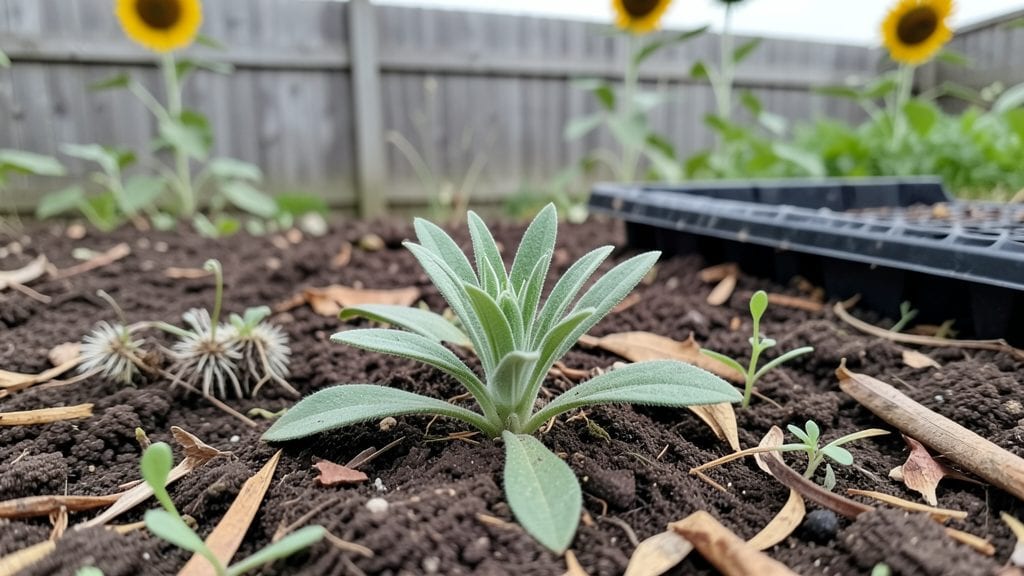
Cold stratification turns flimsy blanket flower seedlings into sturdy, vibrant plants ready to burst into color. 🌟 I’ve watched these delicate starts transform after just 6 weeks in the fridge—no fancy equipment, just a plastic bag and patience.
The key is mimicking winter’s chill, which breaks seed dormancy and jumpstarts growth when spring arrives.
You’ll need a few simple supplies: a zip-top bag, a damp paper towel, and a handful of seeds. No special soil or greenhouse needed—this method works on a kitchen counter or windowsill.
The process takes about 4-6 weeks, during which you’ll see tiny roots form and leaves unfurl, signaling it’s time to plant.
Once stratified, your seedlings will develop strong roots and compact stems, setting them up for bold red-and-yellow blooms all summer long. The flowers attract pollinators and thrive in heat, making them a low-maintenance star for borders or containers. Just avoid overwatering—these plants hate soggy soil.
Perfect for gardeners in zones 3-9, this technique works whether you’re starting seeds indoors or outdoors. Even if you’ve struggled with blanket flowers before, cold stratification changes the game. Let’s get those seeds ready to shine!
📚 In This Guide
- What you need
- Instructions
- Tips and common mistakes
- Wrapping up and next steps
What you need
- ● Blanket flower seeds (Gaillardia spp.) – Choose heirloom or hybrid varieties like ‘Arizona Sun’ or ‘Mesa Red’ for bold colors. Aim for 50–100 seeds (adjust based on desired quantity).
- ● Cold stratification medium – Use a mix of: Peat moss or coconut coir (1 part)
- ● Perlite or coarse sand (1 part, for drainage)
- ● Seed-starting trays or small pots – 2–3 inch deep with drainage holes (1 tray or 6–12 pots for 50–100 seeds).
- ● Plastic wrap or humidity dome – To retain moisture during stratification.
- ● Spray bottle – For gentle watering (avoid soaking).
- ● Refrigerator or cold frame – Must maintain 35–45°F (2–7°C) for 4–6 weeks.
- ● Gloves – To protect hands from soil and seeds.
- ● Plant labels & marker – Track seed varieties and stratification dates.
- ● Grow lights or sunny windowsill – For post-stratification germination (6–8 hours of light/day).
- ○ Fertilizer (balanced 10-10-10 or seed starter) – Optional for faster growth after sprouting.
- ○ Heat mat (optional) – Speeds up germination if your home is chilly (70–75°F / 21–24°C).
Step-by-Step guide to cold stratifying blanket flower seedlings
Cold stratification unlocks vibrant blooms—here’s how to do it right for robust blanket flower seedlings.
🌱 Step 1: Collect and Prepare Seeds
Harvest blanket flower seeds when the seed heads turn brown and begin cracking open. Gently twist them from the stems and remove any remaining chaff. Store them in a cool, dry place until ready to stratify—this mimics their natural winter dormancy period.
I like to soak the seeds in lukewarm water for 12 hours before starting stratification. This softens the tough outer coating and jumpstarts germination. Drain them well afterward to prevent mold, then place them in a sealed container with a damp paper towel. The towel should feel slightly moist, like a wrung-out sponge.
❄️ Step 2: Stratify in the Refrigerator
Place the sealed container of seeds in the refrigerator’s crisper drawer for 4-6 weeks. This simulates winter’s cold, breaking dormancy and encouraging strong root development. Check the seeds weekly—if the paper towel dries out, mist it lightly with water and reseal the container.
Here’s the thing—don’t skip this step. Without cold stratification, blanket flower seeds may take months to germinate or never sprout at all. You’ll know it’s working when the seeds begin to plump slightly and the paper towel stays consistently damp but not soggy.
🌿 Step 3: Plant Stratified Seeds
After stratification, fill 4-inch pots with well-draining potting mix (never garden soil—it’s too dense). Plant the seeds ¼ inch deep, spacing them 1 inch apart to avoid overcrowding. Gently press the soil around them to ensure good contact.
Water lightly with a spray bottle until the soil feels evenly moist. Avoid soaking the seeds—excess water can cause rot. Place the pots in a warm, bright spot (around 65-75°F) but out of direct sunlight. You’ll see tiny sprouts in 7-14 days, signaling successful stratification.
☀️ Step 4: Transition to Sunlight
Once seedlings emerge with first true leaves (not just the initial cotyledons), move them to a south-facing window or under grow lights for 12-14 hours of light daily. Blanket flowers thrive in full sun, so gradual exposure prevents shock.
Watch for leggy growth—a sign of insufficient light. If stems stretch toward the window, adjust the light source within 6 inches of the seedlings. Strong seedlings will have thick stems and deep green leaves spaced evenly apart.
⏰ Step 5: Harden Off and Transplant
Two weeks before your last frost date, begin hardening off seedlings by placing them outside in a sheltered, shaded spot for 1-2 hours the first day. Gradually increase outdoor time over 10-14 days, ending with full sun exposure.
Transplant after the last frost when soil reaches 60°F. Space seedlings 12-18 inches apart in well-draining soil with added compost. Water deeply at the base to encourage root establishment. You’ll see vibrant blooms by mid-summer—proof your stratification paid off!
Tips & tricks for perfect blanket flower seedling stratification
Mastering cold stratification transforms ordinary blanket flower seeds into thriving, vibrant plants—here’s how to avoid common pitfalls and elevate your success rate.
Timing is Everything: The 12-hour soak in Step 1 is non-negotiable for breaking seed dormancy. Use lukewarm water (around 90°F) to avoid shocking the seeds, and drain them thoroughly to prevent mold. I’ve seen seeds fail to germinate when left in standing water—trust me, this step makes all the difference. The seeds should feel damp but not soggy when placed in the container with the paper towel.
Refrigerator Placement Matters: While the 4-6 week cold stratification period in Step 2 is critical, where you store the container makes a surprising difference. The crisper drawer maintains consistent 35-40°F temperatures, but avoid the door where temps fluctuate wildly. I’ve had better results with a small container that fits snugly in the middle shelf—this prevents temperature swings that can disrupt the stratification process.
Moisture Management: The damp paper towel in Step 2 should never be dripping wet—think of it as a wrung-out sponge. Check weekly and mist lightly if it feels dry to the touch. Overly wet conditions risk mold, while too-dry conditions stall germination. I’ve found that placing the container in a resealable plastic bag with a tiny air hole helps maintain humidity without creating a soggy environment.
Light Transition Strategy: When moving seedlings to sunlight in Step 4, gradual exposure is key. Start with 2-3 hours of morning sun on the first day, then increase by 1 hour daily. I’ve seen seedlings go from vibrant green to bleached white overnight when exposed too quickly. The 12-14 hours of daily light should include direct sun, but avoid the harsh midday rays initially—early morning and late afternoon work best for acclimation.
Pro Tips for Blanket Flower Seedling
- Mastering cold stratification transforms ordinary blanket flower seeds into thriving, vibrant plants—here’s how to avoid common pitfalls and elevate your success rate.
- Timing is Everything: The 12-hour soak in Step 1 is non-negotiable for breaking seed dormancy.
- Refrigerator Placement Matters: While the 4-6 week cold stratification period in Step 2 is critical, where you store the container makes a surprising difference.
Frequently asked questions
Got questions about growing blanket flower seedlings from seed? You’re not alone! Here are some of the most common concerns—and their solutions—to help you nurture vibrant blooms with confidence.
Do blanket flower seeds really need cold stratification?
Yes! Blanket flower (Gaillardia) seeds thrive with cold stratification (4–8 weeks in the fridge) to mimic winter conditions. This breaks dormancy, ensuring higher germination rates. Pro tip: Skip stratification only if sowing outdoors in fall—Mother Nature handles it!
How long does it take for blanket flower seedlings to sprout?
With proper stratification, expect sprouts in 10–21 days after planting. Keep soil consistently moist (not soggy) and warm (70–75°F). Patience pays off—delayed germination is normal for wildflower seeds!
Can I grow blanket flowers from store-bought plants instead of seeds?
Seedlings or transplants
are faster and easier—just plant them after the last frost in full sun with well-draining soil. Seedlings may bloom the first year, while seeds take longer but offer more variety. Bonus: Deadhead spent blooms to encourage nonstop color!
Why are my blanket flower seedlings turning yellow or leggy?
Yellow leaves often signal overwatering or poor drainage, while leggy stems mean too little light. Fix it by:
- Water only when the top inch of soil is dry.
- Move seedlings to a sunny window or grow light ASAP.
- Thin crowded seedlings to reduce competition.
Are blanket flowers deer-resistant?
While not fully deer-proof, blanket flowers are less appealing than tender perennials. For extra protection, try:
- Plant near deer-resistant companions (e.g., lavender, Russian sage).
- Use repellent sprays or fencing in high-traffic areas.
Wrapping up and next steps
Growing vibrant blanket flower seedlings from cold stratification is a rewarding journey that brings bold colors and resilience to your garden! 🌸 By following the right steps—from gathering seeds to proper moisture and temperature control—you’re setting the stage for stunning blooms. Don’t let challenges discourage you: even experienced gardeners encounter hiccups, but patience and care pay off in spectacular ways.
Ready to take the next step? Once your seedlings sprout and thrive, transplant them into well-draining soil and watch your garden transform! Happy gardening—your future blanket flower blooms will thank you! 🌿