Pruning
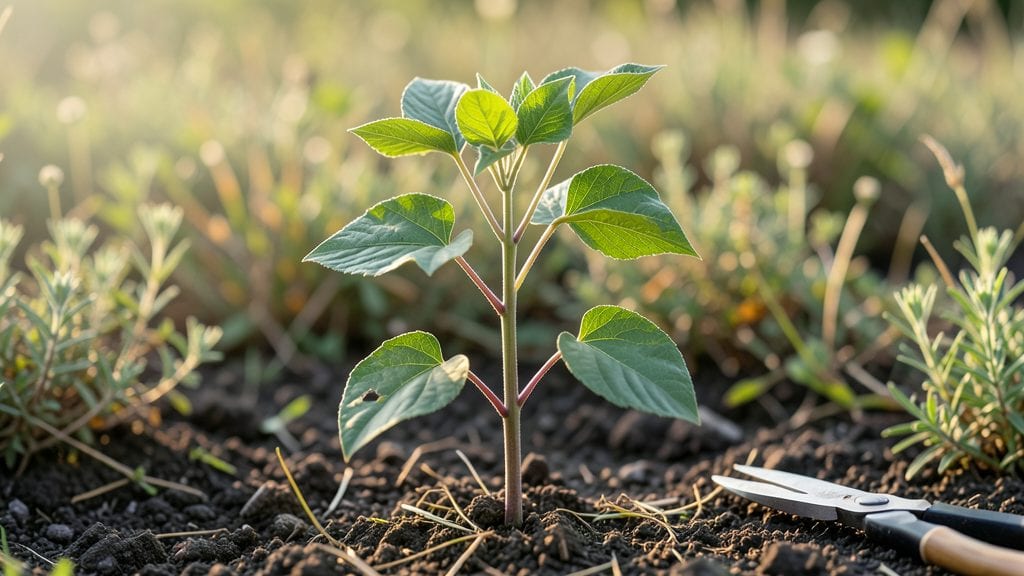
Fast-germinating bush bean seedlings mean a harvest in weeks, not months. 🌱 I’ve learned that the secret isn’t just patience—it’s prepping the soil just right and planting at the perfect depth.
Most gardeners rush this step, but those extra minutes pay off with sturdy, bushy plants ready to climb the trellis.
The trick starts with warm soil—at least 60°F—and a light touch when planting. Seeds need 1-2 inches of loose, well-draining soil, and a sprinkle of compost speeds up germination.
Overwatering here is the real enemy; keep the soil damp but never soggy. Within 5-7 days, you’ll see those first tiny leaves pushing through.
By week three, your seedlings will be 3-4 inches tall, strong enough to handle light pruning if they get leggy. The key is consistent moisture and 6-8 hours of sunlight daily, but not scorching midday heat. Skip the fertilizers early—beans fix their own nitrogen once they’re established.
Here’s where most people trip up: weak stems or slow growth usually mean too much shade or inconsistent water. But with these tricks, you’ll have bushy, productive plants in record time—ready to snap pods by early summer. Let’s get those seeds in the ground!
📚 In This Guide
- What you need
- Instructions
- Tips and common mistakes
- Wrapping up and next steps
What you need
- ● Bush bean seeds: 1–2 packets (choose fast-maturing varieties like Blue Lake or Contender for quick results).
- ● Seed-starting containers: 6–12 biodegradable pots (3–4 inches deep) or
- ● A seed tray with drainage holes (10x20 inches).
- ● Seed-starting mix: 1–2 bags (sterile, peat-based or coco coir blend).
- ● Watering can or spray bottle: With a fine mist nozzle for gentle hydration.
- ● Grow lights or sunny windowsill: 6–8 hours of light daily (south-facing window or LED grow lights).
- ● Plant labels: Small sticks or markers to track seed varieties.
- ○ Fertilizer (optional): Balanced liquid fertilizer (5-5-5 or 10-10-10) for a nutrient boost after sprouting.
- ○ Heat mat (optional): For cooler climates—keeps soil at 70–80°F to speed germination.
- ● Transplanting supplies (for later): Garden soil, compost, and stakes (if growing vertically).
Step-by-Step instructions for growing bush bean seedlings
Here’s how to get sturdy, fast-growing bush bean seedlings ready for transplanting in just a few weeks.
🌱 Step 1: Prepare Containers and Planting Mix
Use the 4-inch biodegradable pots to give each seedling room to grow without crowding. Fill them halfway with the 2 gallons of seed-starting mix, leaving space for seeds and topsoil. This mix is lightweight and drains well, preventing the delicate roots from sitting in soggy soil.
Moisten the mix with a spray bottle until it’s damp but not dripping. Press it down lightly to remove air pockets—this ensures even contact between roots and soil once planted. I like to tap the pots gently on the counter to settle the mix without compacting it too much.
🌱 Step 2: Sow Seeds for Fast Germination
Plant 2 seeds per pot at a depth of ½ inch, about the width of your pinky finger. Bush beans germinate quickly, so spacing them this way ensures at least one strong seedling per pot. If both sprout, thin to the healthiest one later.
Cover the seeds lightly with the remaining 1 gallon of seed-starting mix, then mist the surface again. A damp environment speeds up germination, but avoid oversaturating—the seeds need air to breathe. Place the pots in a warm spot, ideally 75–85°F, to encourage fast sprouting.
☀️ Step 3: Provide Warmth and Light for Speed
Keep the pots in a seedling heat mat or on a sunny windowsill until germination, which should happen in 5–7 days. Once sprouts appear, move them under grow lights for 12–14 hours daily. Bush beans need bright light to prevent leggy growth—if they stretch toward the light, they’re not getting enough.
Water gently at the base when the top inch of soil feels dry. Overwatering now can drown the tender seedlings, so let the mix dry slightly between waterings. You’ll see the first true leaves (not the initial seed leaves) in about 10–14 days—that’s your cue to start hardening them off.
🪴 Step 4: Harden Off and Transplant
After 2–3 weeks, when seedlings have 3–4 sets of true leaves, begin hardening them off. Place them outside in a sheltered spot for 1–2 hours the first day, gradually increasing time over 5–7 days. This toughens their stems for transplanting.
Once hardened, transplant the seedlings into the garden or larger containers with the remaining 1 gallon of potting mix. Space them 4–6 inches apart in rows 18 inches apart for bush beans. Water deeply after planting to settle the soil and encourage root growth.
Tips & tricks for perfect bush bean seedlings
Fast germination and sturdy seedlings start with these pro strategies that cut weeks off your growing timeline.
Soil Temperature Secret: The 75–85°F range in Step 2 isn't just ideal—it's critical for those 5–7 day germination windows. I place my seedling heat mat on a thermometer to monitor temps precisely. If your home runs cooler, consider a seedling heat mat with built-in thermostat for consistent warmth without babysitting.
Lighting Game-Changer: For the 12–14 hours of grow light in Step 3, position lights just 2–3 inches above seedlings. Too high and they'll stretch (leggy growth), too low and they'll scorch. I use LED grow lights on timers to automate this—no guesswork, just consistent results. The first true leaves should appear in 10–14 days with proper light.
Harden Off Strategically: When you begin hardening in Step 4, I recommend a gradual progression: Day 1 (1–2 hours), Day 3 (4 hours), Day 5 (6 hours), then full sun exposure. This 5–7 day process mimics natural acclimation and prevents transplant shock. Watch for slight wilting—it's normal and indicates they're adjusting properly.
Transplanting Pro Tip: After transplanting with the remaining 1 gallon of potting mix, I water deeply but slowly to prevent soil erosion. The key is to wet the soil to a depth of 3–4 inches—this encourages roots to grow downward rather than staying shallow. A soaker hose makes this easy for multiple seedlings.
Pro Tips for Bush Bean Seedling
- Fast germination and sturdy seedlings start with these pro strategies that cut weeks off your growing timeline.
- Soil Temperature Secret: The 75–85°F range in Step 2 isn't just ideal—it's critical for those 5–7 day germination windows.
- Lighting Game-Changer: For the 12–14 hours of grow light in Step 3, position lights just 2–3 inches above seedlings.
Frequently asked questions
Got questions about growing bush bean seedlings? You’re not alone! Here are answers to the most common queries to help you grow lush, fast-germinating plants with ease.
How long does it take for bush bean seedlings to germinate?
Bush bean seedlings typically sprout in 5–10 days under ideal conditions—warm soil (70–85°F/21–29°C), consistent moisture, and indirect light. For faster results, soak seeds overnight before planting or use a heat mat. Patience pays off, but if nothing emerges after 2 weeks, try replanting!
What’s the best temperature for growing bush bean seedlings?
Bush beans thrive in warm soil (60–85°F/15–29°C) and air temperatures above 50°F (10°C). If nights dip below 50°F (10°C), use row covers or wait until frost has passed. Seedlings can tolerate cooler temps, but growth slows dramatically. A sunny windowsill or grow light keeps them cozy indoors until transplanting.
Why are my bush bean seedlings wilting or turning yellow?
Wilting or yellowing often signals overwatering, underwatering, or poor drainage. Check soil moisture—it should stay consistently damp but not soggy. Yellow leaves can also mean nutrient deficiency (try a balanced fertilizer) or fungal issues (improve airflow). If stems look mushy, reduce watering and ensure pots have drainage holes.
Can I grow bush beans from store-bought beans?
Yes! Save seeds from heirloom or non-hybrid store-bought beans (check the label). Rinse dried beans, let them dry completely, and store in a cool, dark place. For best results, plant seeds from beans you’ve grown yourself—they’re more likely to produce true-to-type plants. Pro tip: Try the "paper towel test" to speed up germination!
How soon can I transplant bush bean seedlings outdoors?
Transplant seedlings after the last frost and when they’re 3–4 inches tall with 2–3 true leaves. Harden them off for 5–7 days by exposing them to outdoor conditions gradually. Plant in full sun (6+ hours/day) and space them 4–6 inches apart in rows 18–24 inches apart. Morning sunlight helps prevent wilting.
Wrapping up and next steps
Growing bush bean seedlings into lush, thriving plants is easier than you think—with the right tricks and a little patience! 🌱 By choosing fast-germinating seeds, optimizing soil conditions, and providing consistent care, you’ll enjoy a bountiful harvest in just weeks.
Whether you’re a beginner or a seasoned gardener, these tips will help you cultivate healthy, bushy plants that reward your efforts with delicious pods.
Ready to take the next step? Start planting your bush bean seedlings today and watch them flourish with confidence! For even better results, experiment with companion planting or succession sowing to maximize your garden’s potential. Happy gardening! 🌿